
Search
Data on static compliance of the chest wall (Ccw) in preterm infants are scarce. We characterized the static compliance of the lung and Ccw to determine their relative contribution to static compliance of the respiratory system in very preterm infants at 36 wk postmenstrual age. We also aimed to investigate how these compliances were influenced by the presence of bronchopulmonary dysplasia and impacted breathing variables.
Surfactant is a well-established therapy for preterm neonates affected by respiratory distress syndrome (RDS). The goals of different methods of surfactant administration are to reduce the duration of mechanical ventilation and the severity of bronchopulmonary dysplasia (BPD); however, the optimal administration method remains unknown.
A previous systematic review showed that intramuscular vitamin A supplementation reduced the risk of bronchopulmonary dysplasia (BPD) in very-low-birth-weight (VLBW) infants. However, more recent studies have questioned this finding.
Vitamin A has anti-inflammatory and immune-modulating properties. We aimed to assess whether enteral water-soluble vitamin A supplementation in extremely preterm infants decreases fecal calprotectin, a marker of intestinal inflammation.
The importance of lung recruitment before surfactant administration has been shown in animal studies. Well designed trials in preterm infants are absent. We aimed to examine whether the application of a recruitment manoeuvre just before surfactant administration, followed by rapid extubation (intubate-recruit-surfactant-extubate [IN-REC-SUR-E]), decreased the need for mechanical ventilation during the first 72 h of life compared with no recruitment manoeuvre (ie, intubate-surfactant-extubate [IN-SUR-E]).
Jane Pillow BMedSci (Dist) MBBS, PhD (Dist) FRACP Head, Developmental Chronobiology jane.pillow@thekids.org.au Head, Developmental Chronobiology
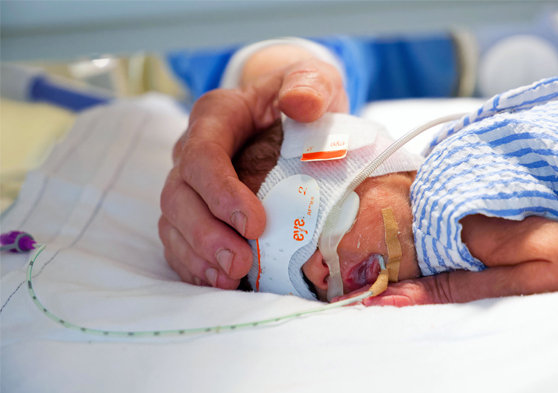
The CIRCA DIEM Study is a clinical research study being coordinated by the Chronobiology Team at The Kids Research Institute Australia, who are based in Perth, Western Australia and involving research teams from around the world.
The CIRCA DIEM Study is a multicentre study, involving several different hospital sites across Australia. Here, you can find out more about which hospitals recruit babies into the CIRCA DIEM Study.
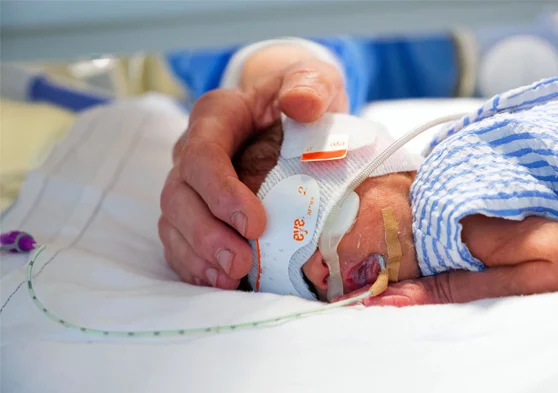
The Data Safety Monitoring Committee (DSMC) is an independent group of experts that oversees participant safety and the integrity of the CIRCA DIEM Study.
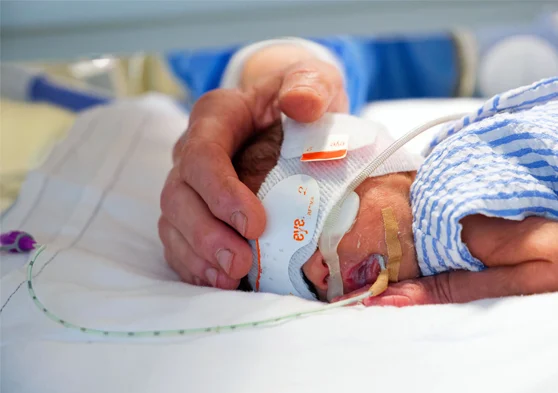
The CIRCA DIEM biobank is a unique collection of biological samples - such as blood, stool and saliva - collected from babies enrolled in the trial.