
Search
Research
Invasive group A Streptococcus disease in Australian children: 2016 to 2018 - a descriptive cohort studyOur aims were to describe the epidemiological distribution of paediatric invasive group A Streptococcus disease in Australia and correlate this with influenza notifications
Research
Assessing the Impact of Pneumococcal Conjugate Vaccine Immunization Schedule Change From 3+0 to 2+1 in Australian Children: A Retrospective Observational StudyIn mid-2018, the Australian childhood 13-valent pneumococcal conjugate vaccine schedule changed from 3+0 to 2+1, moving the third dose to 12 months of age, to address increasing breakthrough cases of invasive pneumococcal disease (IPD), predominantly in children aged >12 months. This study assessed the impact of this change using national IPD surveillance data.

At The Kids Research Institute Australia our researchers are searching for answers to improve the health and wellbeing of children and families.
News & Events
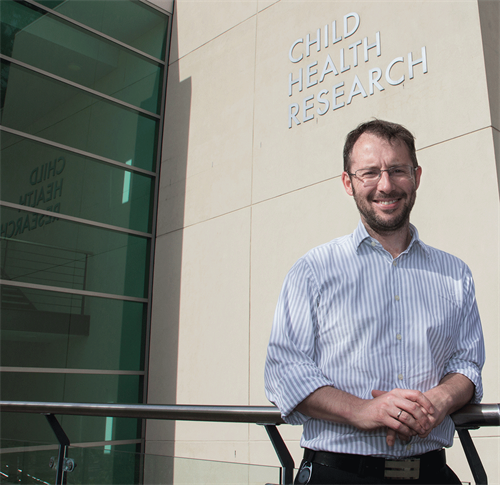
Whooping cough vaccine could be a new weapon in the fight against food allergiesResearchers from The Kids Research Institute Australia and Curtin University will use a $3.9 million grant from the National Health and Medical Research Council to investigate whether a type of whooping cough vaccine could provide bonus protection against food allergies and eczema.
News & Events
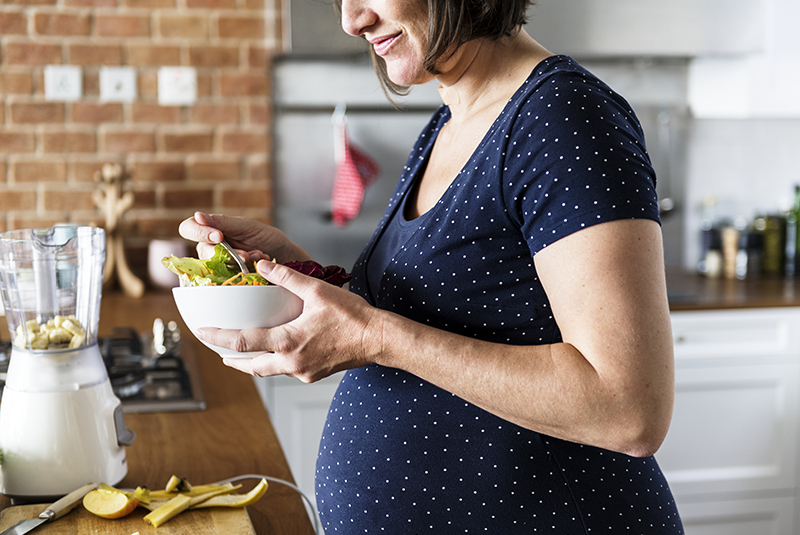
Food and nutrition in pregnancyA healthy and balanced diet is important if you’re pregnant or planning a pregnancy.
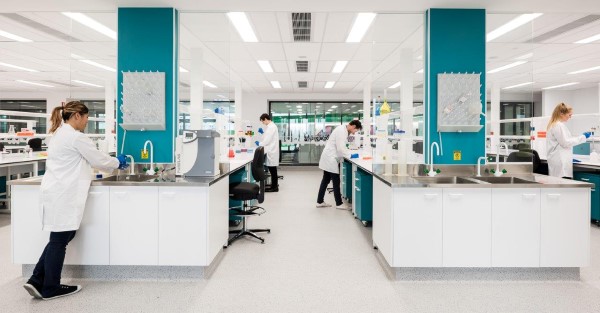
The Kids has a range of specialised expertise, tools, platforms and technology to undertake cutting-edge science.
Research
Infant, maternal and demographic predictors of delayed vaccination: A population-based cohort studyReceiving vaccines at or close to their due date (vaccination timeliness) is a now key measure of program performance. However, studies comprehensively examining predictors of delayed infant vaccination are lacking. We aimed to identify predictors of short and longer-term delays in diphtheria-tetanus-pertussis (DTP) vaccination by dose number and ethnicity.
Research
Spatiotemporal patterns of influenza in Western AustraliaUnderstanding the geospatial distribution of influenza infection and the risk factors associated with infection clustering can inform targeted preventive interventions. We conducted a geospatial analysis to investigate the spatial patterns and identify drivers of medically attended influenza infection across all age groups in Western Australia.
Research
AGAR KidsBacteraemia is associated with significant morbidity and mortality in children and adults, more frequently affecting neonates, Indigenous children and children admitted to hospital.