
Search

Meet the Friends of the Institute, a very impactful group of volunteers whose Friend-raising efforts have supported The Kids for more than 25 years.
News & Events
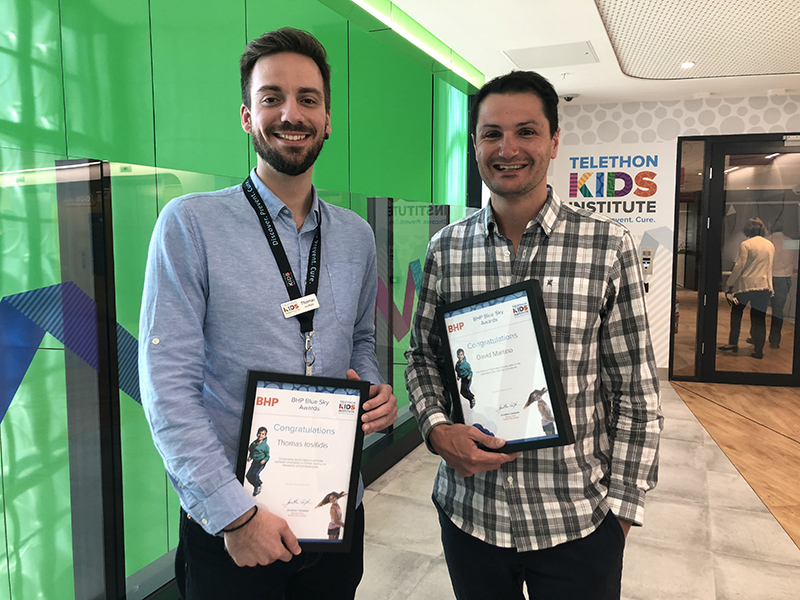
BHP funds help researchers reach for the skyTwo The Kids researchers will launch innovative new scientific projects thanks to funding from BHP.
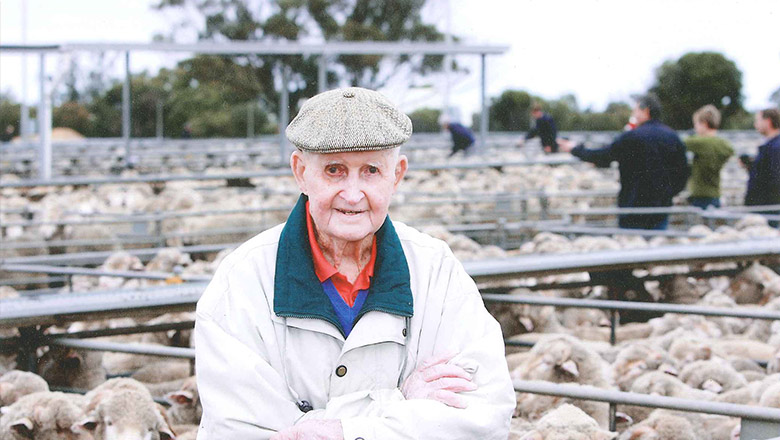
Kojonup couple George and Trish Church ensured their legacy of generosity and kindness lived on, by including The Kids in their will. Read more.
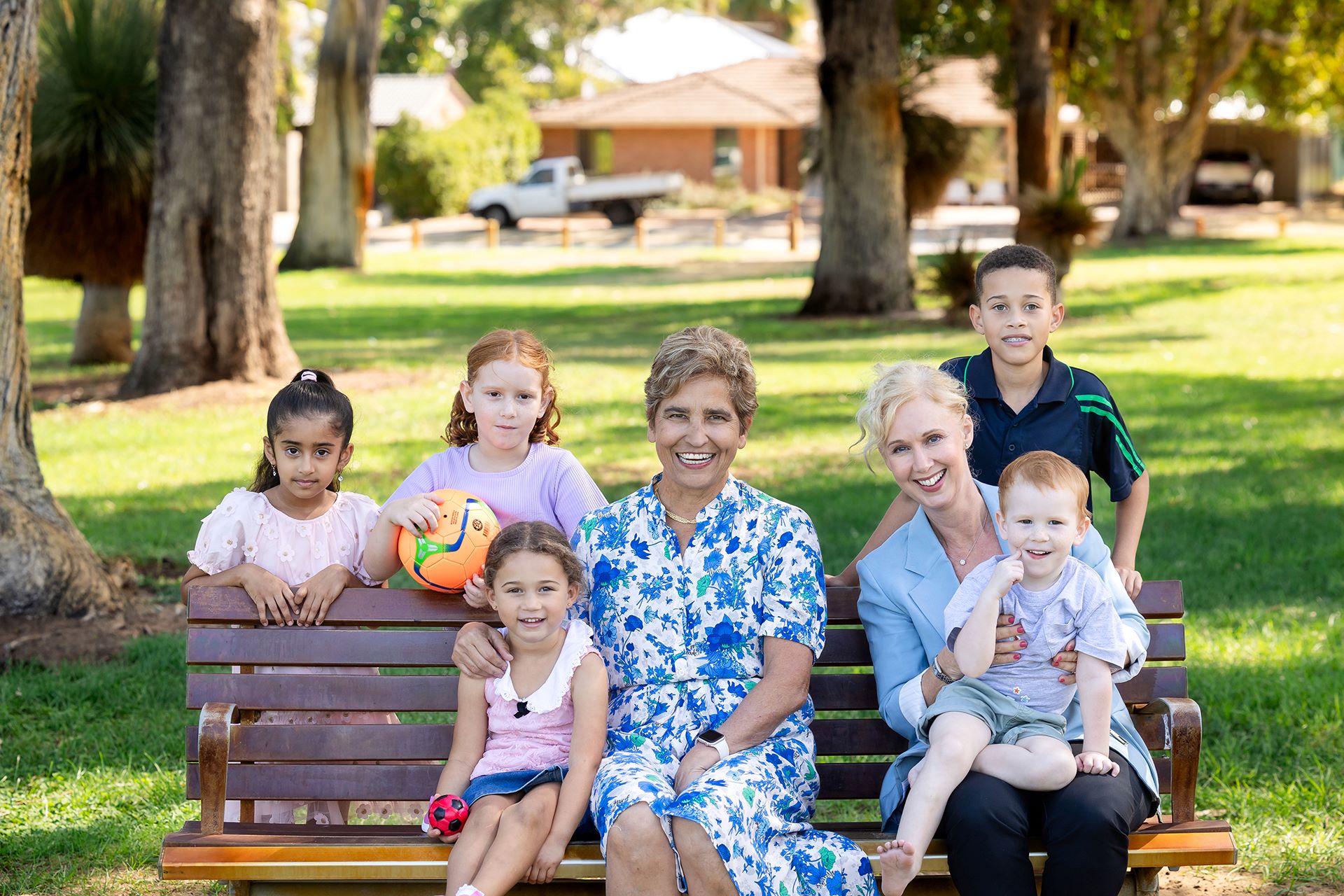
ORIGINS is Australia's largest longitudinal cohort study of its kind. Following 10,000 WA children from their time in the womb into early childhood, ORIGINS researchers are working to better understand when and why non-communicable diseases develop, and provide solutions for early intervention to ensure every child and family flourishes throughout their lifetime.
Research
Food AllergyFood allergies have become more common in our community, with up to one in ten young children now affected. Reactions can range from mild hives to life threatening anaphylaxis and breathing difficulties. The most common food allergies are to egg, peanut, tree nuts, cow’s milk, fish, shellfish, sesame, wheat and soy.
Hear how one bold idea became a world-leading institute for kids’ health.
Research
Early nasal microbiota and subsequent respiratory tract infections in infants with cystic fibrosisRespiratory tract infections (RTIs) drive lung function decline in children with cystic fibrosis (CF). While the respiratory microbiota is clearly associated with RTI pathogenesis in infants without CF, data on infants with CF is scarce. We compared nasal microbiota development between infants with CF and controls and assessed associations between early-life nasal microbiota, RTIs, and antibiotic treatment in infants with CF.
Research
Biomarkers of vaccine safety and efficacy in vulnerable populations: Lessons from the fourth international precision vaccines conferenceVaccination has been a cornerstone of public health, substantially reducing the global burden of infectious diseases, notably evident during the COVID-19 pandemic caused by SARS-CoV-2.
Research
Protective factors, risk factors, and intervention strategies in the prevention and reduction of crime among adolescents and young adults aged 12–24 years: A scoping review protocolEvidence indicates that criminal behaviour in youth is linked with a range of negative physical, mental, and social health consequences. Despite a global decrease over the last 30 years, youth crime remains prevalent.
Research
Improving the detection of congenital syphilis: reviewing test utility and adherence to recommendationsWestern Australia (WA) has experienced a resurgence of congenital syphilis. Appropriate microbiology testing of the neonate is recommended to confirm infection, including syphilis immunoglobulin M (IgM), rapid plasma reagin (RPR) paired with a maternal sample, and polymerase chain reaction (PCR) on placenta and nasal swabs.