
Search
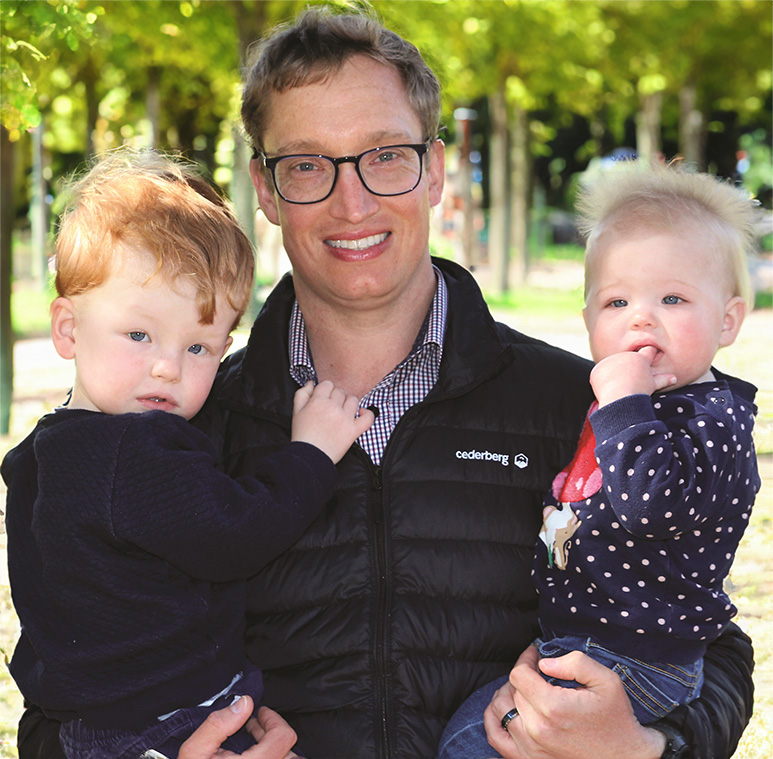
New dads can feel undervalued and face significant health and mental health risks following the birth of a child, according to new research that has prompted a rethink about how to address the often-unmet needs of fathers.
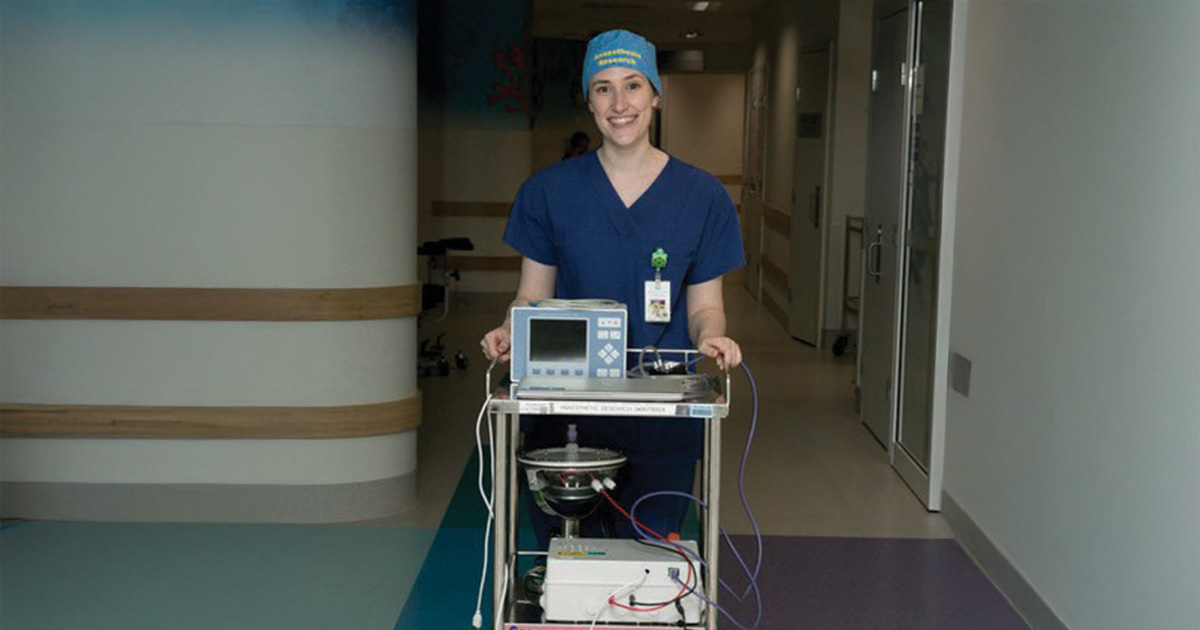
When kids are having surgery, the most common problem that can occur during anaesthesia is a respiratory adverse event.

The Perioperative Medicine team has developed a unique chewable tablet that gives the child the sensation of having a full stomach, without compromising their fasting regime.

Scientific discoveries over the past 30 years mean doctors now have a deeper understanding of what causes disease and how those diseases might progress.
Research
Modelling Micro-Elimination: Third-Trimester Tenofovir Prophylaxis for Perinatal Transmission of Hepatitis B in the Remote Dolpa District of NepalHepatitis B (HBV) prevalence is very high in pregnant women in the Dolpa district of Nepal, a region characterised by a remote geographic landscape and low vaccination coverage. Using mathematical modelling, we evaluated the impact of third-trimester tenofovir disoproxil fumarate (TDF) prophylaxis on HBV burden and estimated the time required to achieve HBV elimination in Dolpa.
Research
A New Era for PPARγ: Covalent Ligands and Therapeutic ApplicationsPeroxisome proliferator-activated receptor γ (PPARγ) is a prominent ligand-inducible transcription factor involved in adipocyte differentiation, glucose homeostasis, insulin sensitivity, inflammation, and cell proliferation, making it a therapeutic target for diabetes, metabolic syndrome, autoimmune diseases, and cancer.
Research
Feasibility of the pre-operative measurement of fractional exhaled nitric oxide and respiratory mechanics to predict respiratory outcomes in children undergoing general anaesthesiaPeri-operative respiratory adverse events remain a major cause of morbidity and mortality in children undergoing general anaesthesia; those with asthma are at higher risk. The aim of this feasibility study was to determine whether pre-operative measurements of fractional exhaled nitric oxide and the forced oscillation technique are feasible in children, and to explore whether these measurements can predict peri-operative respiratory adverse events.

Ask our experts a question about the COVID-19 pandemic.
Research
Non-Suicidal Self-Injury and Outcome Expectancies: The Roles of Self-Efficacy, Cognitive Reappraisal, and Expressive SuppressionAccording to the Cognitive Emotional Model of Non-Suicidal Self-Injury (NSSI), this behavior is governed by a complex interplay of NSSI-related cognitions (i.e., a person's expected outcomes of self-injury and self-efficacy to resist NSSI) and emotion-regulatory strategies (i.e., cognitive reappraisal and expressive suppression). To empirically test this proposition, the current study examined the moderating roles of self-efficacy to resist NSSI, cognitive reappraisal, and expressive suppression in the relationships between outcome expectancies and NSSI frequency among university students.
Research
“I Just Feel Like the Teacher Understood Me, and She Knew What I Needed”: School Experiences of Autistic Students from Diverse BackgroundsGathering Autistic young people's testimony is critical for understanding their lived experience of education and designing settings in which these students can thrive. Despite increasing knowledge in this field, we lack perspectives from a broad range of Autistic students which necessarily limits our ability to build inclusive, supportive environments for all. This study explored the educational experiences of preschool and school-aged Autistic students from diverse age groups, backgrounds, and educational settings.