
Search

Join us for stories, imagination and connection in the Discovery Centre

Get ready for a week of mind-blowing fun as the Discovery Centre comes alive for National Science Week with this year’s exciting theme: Decoding the Universe!
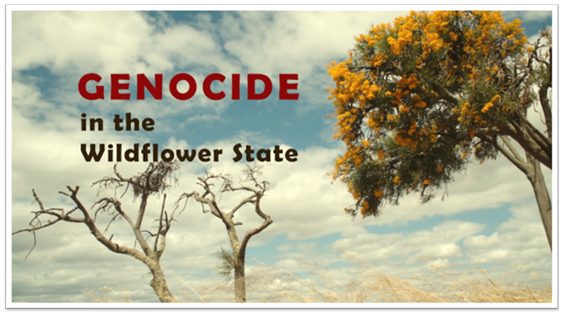
A powerful screening of truth telling that captures the stories of the Western Australia Stolen Generation.

Find out what our communities had to say about the draft Statement on Consumers and Community Involvement in Health and Medical Research.
Researchers from The Kids Research Institute Australia and Curtin University will use a $3.9 million grant from the National Health and Medical Research Council to investigate whether a type of whooping cough vaccine could provide bonus protection against food allergies and eczema.
Acute rheumatic fever is an autoimmune disorder resulting from Group A Streptococcus pharyngitis or impetigo in children and adolescents, which may evolve to rheumatic heart disease (RHD) with persistent cardiac valve damage. RHD causes substantial mortality and morbidity globally, predominantly among socioeconomically disadvantaged populations, with an interplay of social determinants of health and genetic factors determining overall risk.
There are 117.3 million people forcibly displaced because of war, conflict and natural disasters: 40% are children. With growing numbers, many high-income countries have adopted or are considering increasingly restrictive policies of immigration detention. Research on the impact of detention on mental health has focused on adults, although recent studies report on children.
Household fabrics, such as clothes, bedding, and towels, are in close contact with the skin and are assumed to play a role in the transmission of skin pathogens/ectoparasites. International public health advice for managing skin conditions therefore usually includes recommendations to wash clothes and bedding. However, such advice is often general and inconsistent between sources.
Respiratory Syncytial Virus (RSV) causes a significant burden of illness for children under 2 years of age. Nirsevimab, a long-acting monoclonal antibody, was registered for RSV prevention in Australia in 2023. In April 2024, Western Australia (WA) launched the country's first state-wide nirsevimab program for all infants and high-risk children entering their second RSV season.
Evidence-based recommendations exist for early discharge (before 48 h) of young infants with fever without source (FWS) at low risk of serious bacterial infections (SBIs). However, concerns regarding the applicability of international data to local contexts may hinder implementation. We aimed to describe the local epidemiology of FWS and evaluate a newly implemented risk-stratification guideline to support practice change.