Skip to content

Search

The Unintended Impact of COVID-19 Associated Non-Pharmaceutical Interventions on Paediatric Hospital Admissions: An Interrupted Time Series Analysis

COVID-19 related non-pharmaceutical interventions (NPIs) disrupted global healthcare utilisation, with notable declines in infection related paediatric hospitalisations. We aimed to identify non-infectious paediatric conditions for which the incidence of hospital admissions increased during the introduction and alleviation of NPIs in 2020.

Impact of vaccine mandates and removals on COVID-19 vaccine uptake in Australia and international comparators: a study protocol

Vaccination against SARS-CoV-2 was a crucial public health measure during the COVID-19 pandemic. Among the multiple strategies developed to increase vaccine uptake, governments often employed vaccine mandates. However, little evidence exists globally about the impact of these mandates and their subsequent removal on vaccine uptake, including in Australia, France, Italy and the USA.

Who is at risk of a respiratory syncytial virus hospitalisation? A linked, population-based birth cohort analysis in children aged less than 5 years

Respiratory syncytial virus (RSV) is a major cause of acute lower respiratory infections globally in children under five years. With the development of RSV prevention strategies, understanding risk factors and relation to age and population is useful for deciding the type of program implemented.

Nudging towards COVID-19 and influenza vaccination in children with medically at-risk conditions

Non-coercive 'nudge' interventions have shown the potential to promote health behaviours. This study aimed to evaluate the impact of nudge interventions on COVID-19/influenza vaccine uptake among children with medically at-risk conditions.

Socio-economic inequality underpins inequity in influenza vaccination uptake between public and private secondary schools: an Australian population-based study

Socio-economic inequality and vaccination inequity have long been critical issues. However, no studies have explored the gap in influenza vaccination uptake between public and private schools. Importantly, the extent to which socio-economic inequality translates into vaccination uptake inequity has not been quantified.

Evaluating the effectiveness of the 13-valent pneumococcal conjugate vaccine and clinical and demographic characteristics on pneumococcal carriage density in young children

High nasopharyngeal pneumococcal carriage density is associated with severe pneumonia; however, little is known about factors that affect pneumococcal carriage density including pneumococcal vaccination. We describe pneumococcal density by clinical and demographic factors, and effect of 13-valent pneumococcal conjugate vaccine (PCV13) on density in Papua New Guinea (PNG), Lao People’s Democratic Republic (Lao PDR) and Mongolia, 3–6 years following national PCV13 introduction.

Video: Flu vaccine Q&A

It's that time of year again... Flu vaccine time! Watch Dr Chris Blyth answer commonly asked questions in the video below.

Landmark Australian influenza collaboration finalist for Eureka Prize

Infectious disease researchers who used a decade of scientific evidence to advocate for a nationwide childhood influenza immunisation policy have earned a finalist position at the country’s most prestigious science awards – the Australian Museum Eureka Prizes.
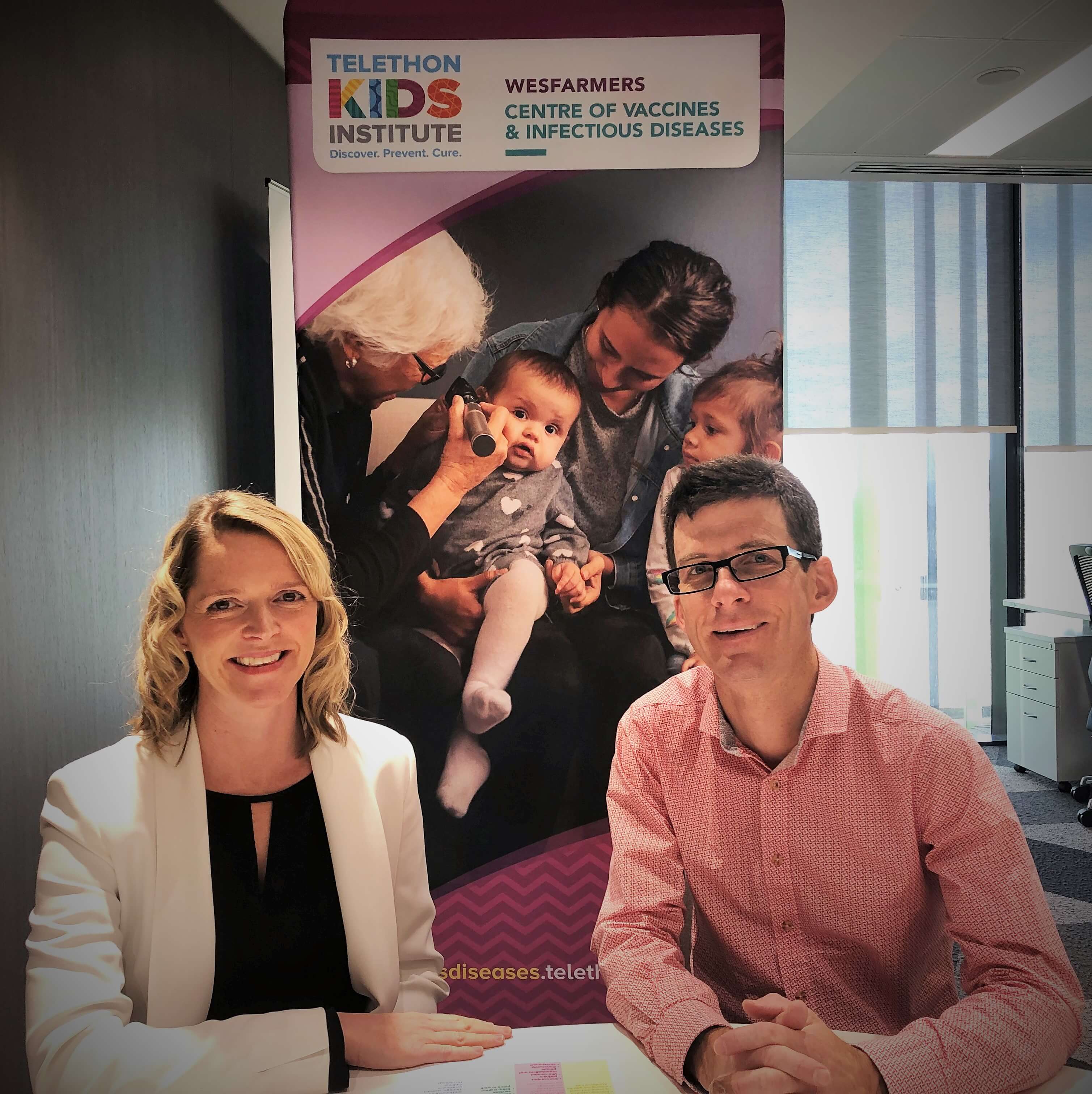
WA parents oblivious to true danger of the flu

Perth parents are underestimating the serious consequences of the flu, with only 19 per cent of children under five years of age currently immunized against the virus ahead of the peak winter flu season.

Immunisation

Immunisation is the most effective way of protecting your child against a range of serious illnesses, including measles, hepatitis B and whooping cough. All vaccines used in Australia undergo stringent testing and ongoing monitoring.