
Search
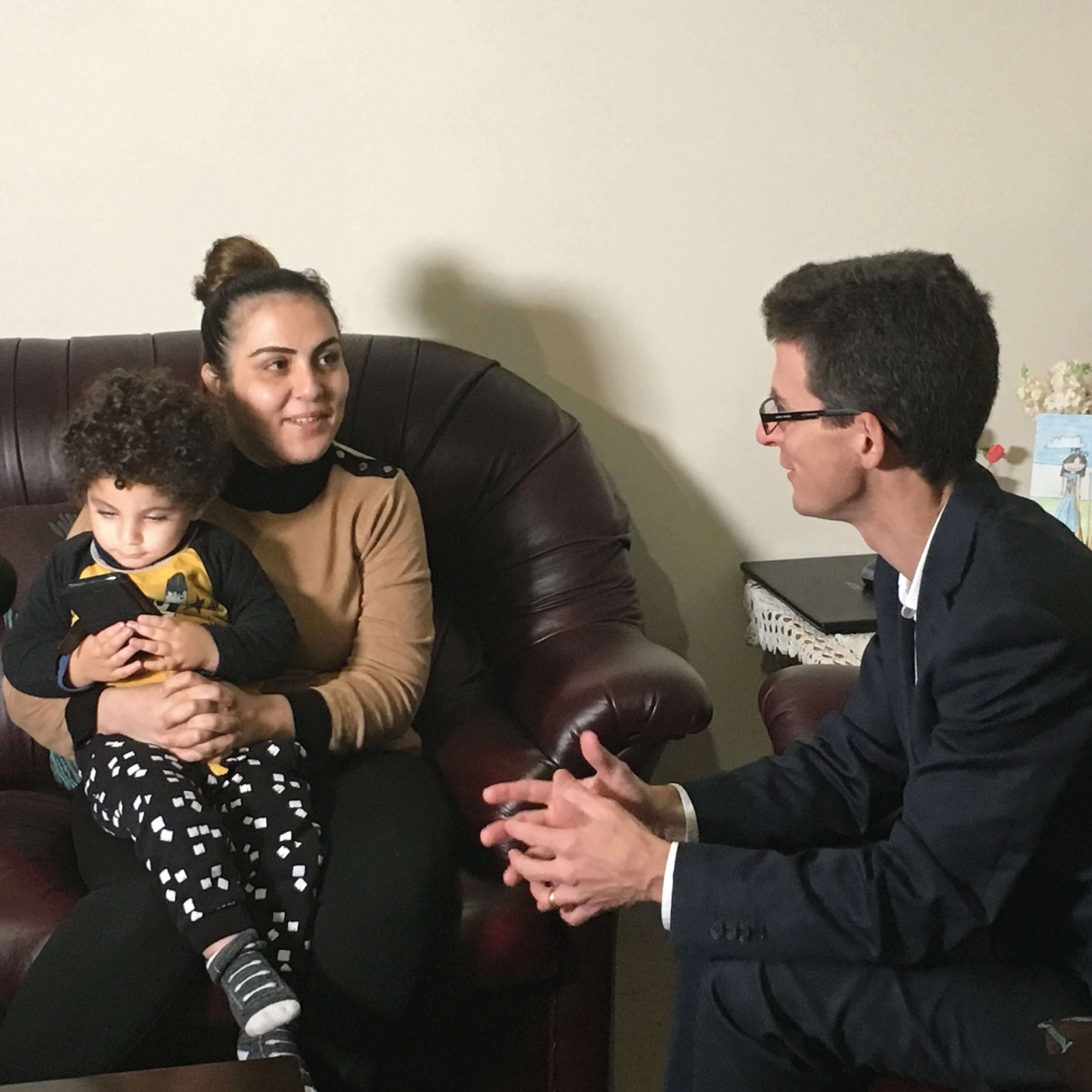
Perth parents are underestimating the serious consequences of the flu, with only 19 per cent of children under five years of age currently immunized against the virus ahead of the peak winter flu season.
In 2017, a steep rise in cases of meningococcal disease caused by the W strain sparked a wave of concern for parents in Western Australia.

A new research project aims to demonstrate how influenza vaccination in children could be a highly cost-effective health care intervention in Australia.

Eight The Kids Research Institute Australia researchers are among those who have received grant funding from the Telethon-Perth Children’s Hospital Research Fund (TPCHRF).
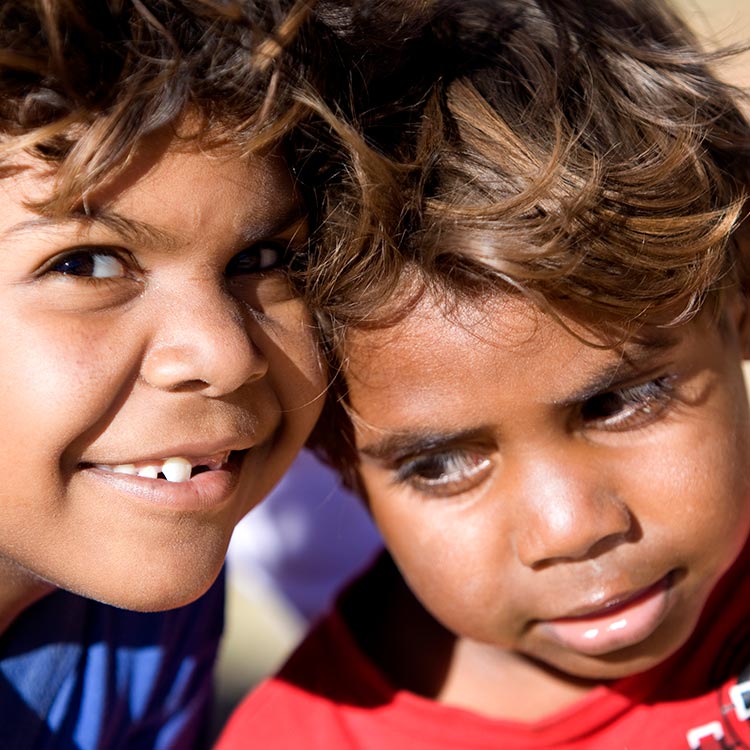
A new study shows that people living in the Oceania region, including Australia, have the highest risk in the world of dying from rheumatic heart disease.
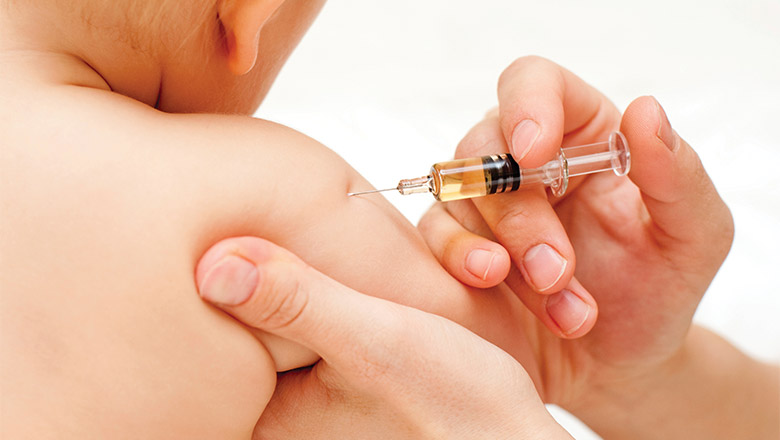
Toddlers will now get an additional whooping cough vaccine to protect them against the potentially deadly disease.

Mapping when Respiratory Syncytal Virus (RSV) reaches its seasonal peak will assist how future vaccination programs are carried out.
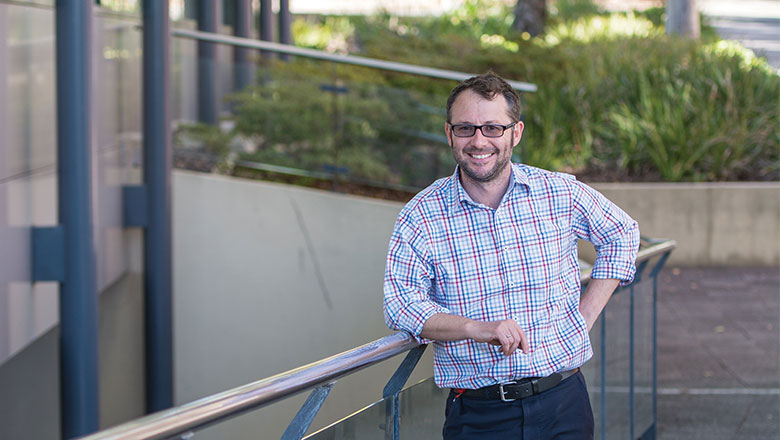
An extra whooping cough vaccination for babies comes as a result of work by researchers at the Wesfarmers Centre of Vaccines and Infectious Diseases.
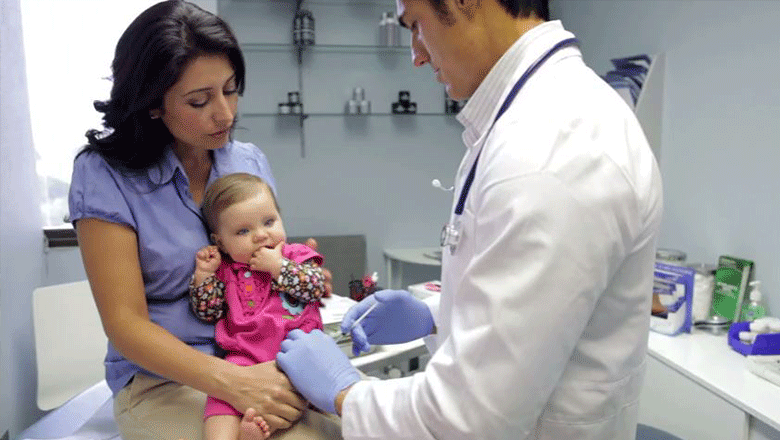
It's that time of year again... Flu vaccine time! Watch Dr Chris Blyth answer commonly asked questions in the video below.
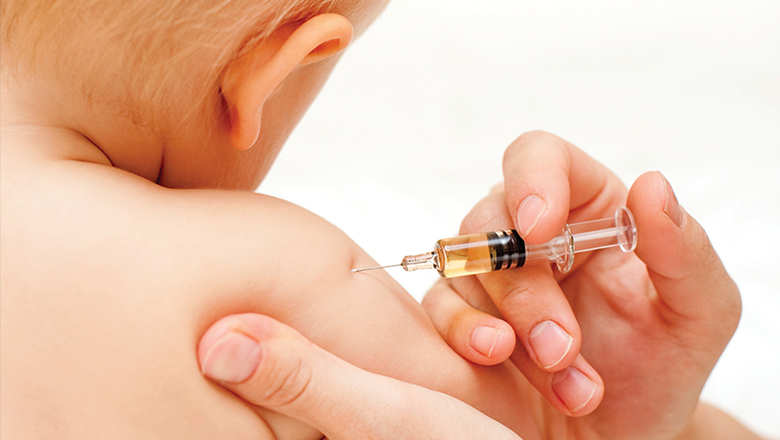
Immunisation plays an important role in preventing disease within our community. Join us at a FREE public seminar on vaccinations.