
Search
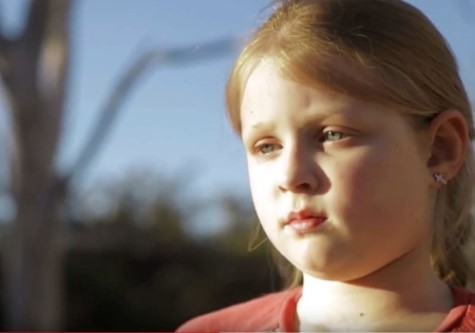
Meet eight-year-old Emily. She lives in Northam, has Type 1 Diabetes and stars in one of the videos for a new The Kids Research Institute Australia digital advertising campaign. Mother Kathleen Noble said the initial diagnosis was the hardest time for the family.
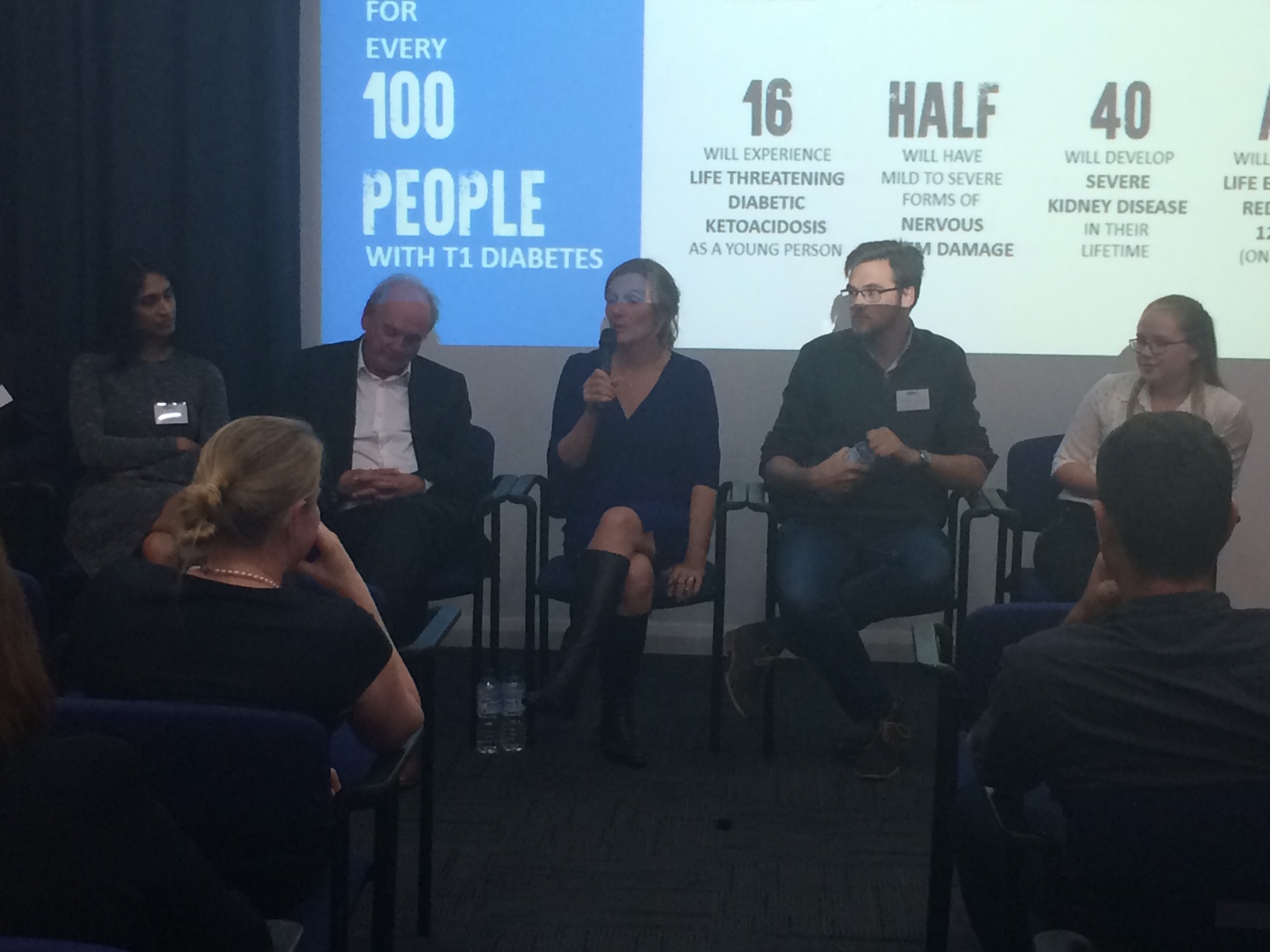
The Children’s Diabetes Centre showcased its progress in paediatric Type 1 Diabetes research at a JDRF Australia event held at The Kids Research Institute Australia recently.
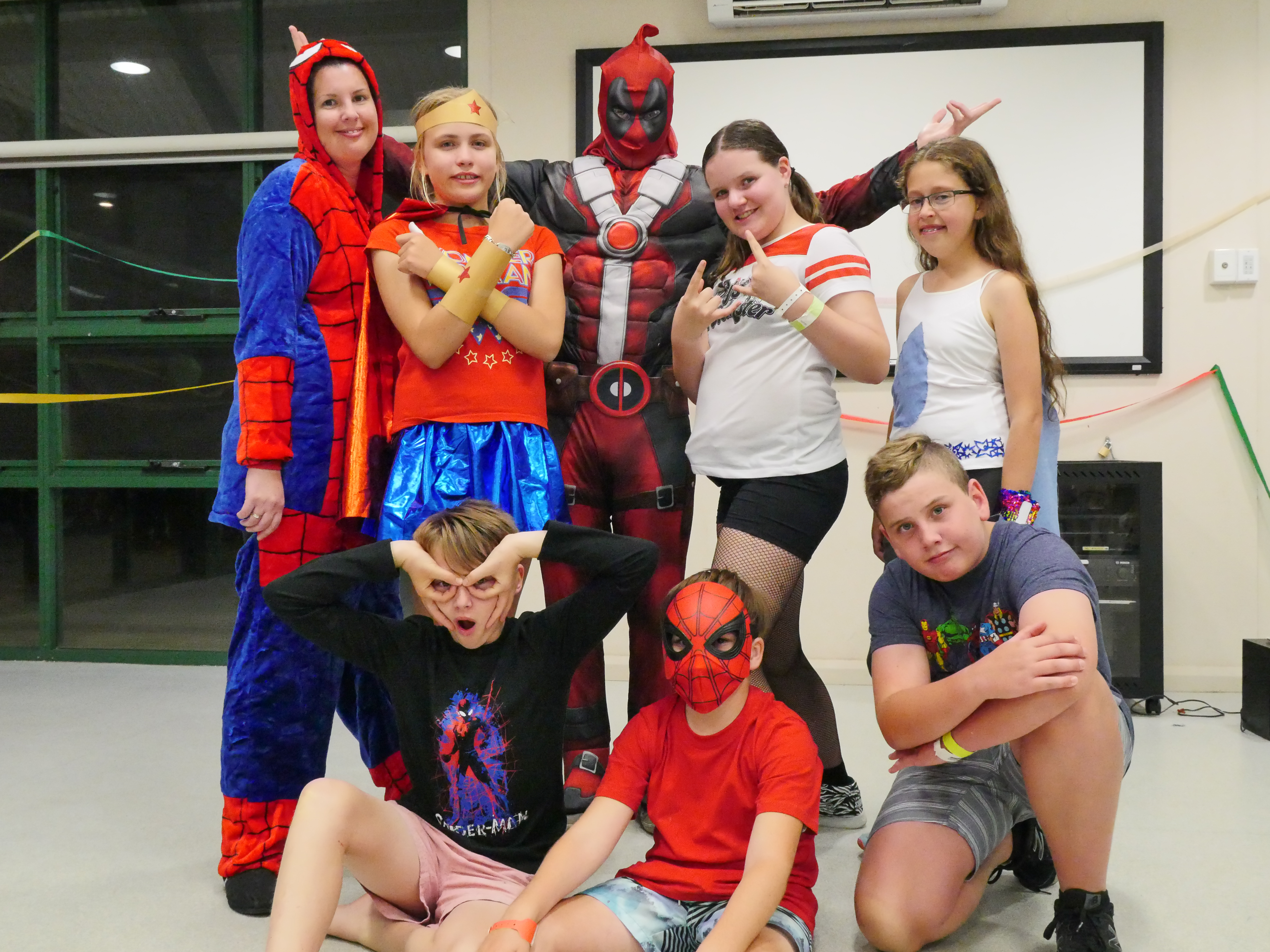
Kids living with Type 1 Diabetes got to hang out with super heroes and like-minded peers at the Diabetes WA and Princess Margaret Hospital (now known as Perth Children’s Hospital) kids’ camp in Bicton recently.

Recent changes to private health insurance policies are a timely reminder to check your level of cover, especially for those undergoing pump therapy.
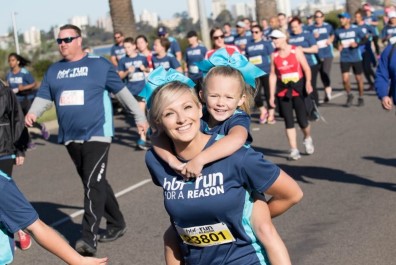
Children’s Diabetes Centre researchers will be pounding the pavement in this year’s HBF Run for a Reason on Sunday, May 27 and invite you to join us!
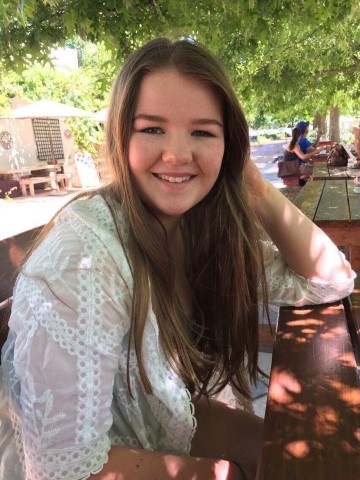
Georgia Egan, 16,recently completed a six-month Hybrid Closed-Loop Outpatient Trial, the longest and largest at-home trial of a hybrid closed-loop insulin pump.
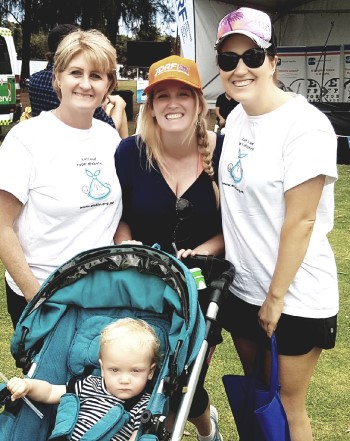
ENDIA (Environmental Determinants of Islet Autoimmunity) is a national observational study into the causes of Type 1 Diabetes in childhood.

The burden of having T1D is enormous and our researchers are conducting a study trying to understand how we can help relieve diabetes distress.

The deadline for ATAR exam special provisions is still open for newly diagnosed Type 1 Diabetes patients.

Adolescents and young adults with Type 1 Diabetes are invited to be co-researchers at a summit to help develop the Children’s Diabetes Centre’s new exercise gui