
Search
Several researchers have hypothesised that individuals with Autism Spectrum Disorder (ASD) show encoding delays in their obligatory event-related potentials (ERPs)/ event-related fields (ERFs) for low-level auditory information compared to neurotypical (NT) samples. However, empirical research has yielded varied findings, such as low-level auditory processing in ASD samples being unimpaired, superior, or impaired compared to NT samples. Diverse outcomes have also been reported for studies investigating ASD-NT differences in functional lateralisation of delays.
The aim of this study was to understand the challenges experienced by families obtaining a diagnosis and therapy for developmental coordination disorder (DCD). Parents of 435 children aged 4-18 years with persistent motor difficulties consistent with a diagnosis of DCD completed an online survey. Diagnostic timeline and diagnostic label/s received were examined, along with therapies accessed.
Birth order effects have been linked to variability in intelligence, educational attainment and sexual orientation. First- and later-born children have been linked to an increased likelihood of an Autism Spectrum Disorder (ASD) diagnosis, with a smaller body of evidence implicating decreases in cognitive functioning with increased birth order. The present study investigated the potential association between birth order and ASD diagnostic phenotypes in a large and representative population sample.

Six scientists from The Kids Research Institute Australia have been named finalists across four categories in the 2026 Premier's Science Awards.
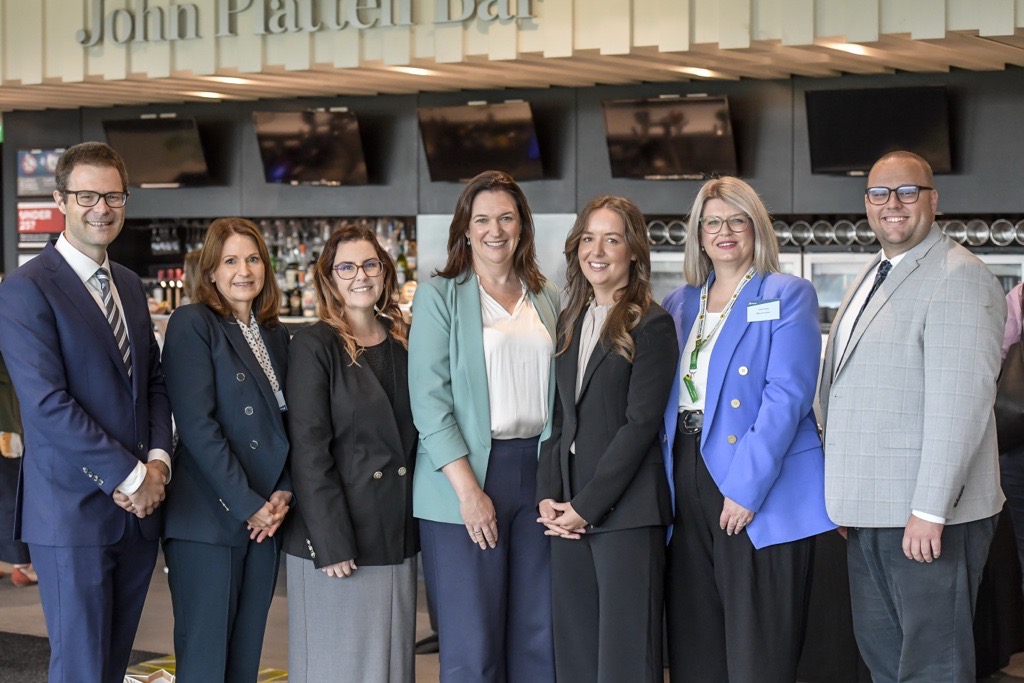
South Australian families with babies showing early social and communication differences will be among the first to benefit from a nation-leading early support program, as The Kids Research Institute Australia’s Inklings Program officially launches in South Australia.

Professor Andrew Whitehouse, the Angela Wright Bennett Professor of Autism Research and CliniKids Director, has been appointed Deputy Director (Research) at The Kids Research Institute Australia.
The aim of this research note is to encourage child language researchers and clinicians to give careful consideration to the use of domain-specific tests as a proxy for language; particularly in the context of large-scale studies and for the identification of language disorder in clinical practice.
The growing global prevalence of autism spectrum disorder is associated with increasing costs for support services. Ascertaining the effects of a successful preemptive intervention for infants showing early behavioral signs of autism on human services budgets is highly policy relevant.
Anxiety commonly co-occurs in autism. Exploring and understanding potential underpinning mechanisms contributing to and maintaining anxiety in the early years is important in managing anxiety. Intolerance of uncertainty (IU), a tendency to find uncertainty difficult, is a transdiagnostic mechanism contributing to anxiety, but little is known about how IU may be experienced in young children on the autism spectrum. This study investigated parental perspectives of children's experiences of uncertainty.
This study aimed to explore the rates of motor difficulties in children from the Australian Autism Biobank, and how early motor concerns impacted on children functionally.