
Search
Remission is the desired outcome following OIT as it allows individuals to discontinue treatment and eat the allergen freely. Early initiation of OIT in infants and toddlers has been embraced as an approach to increase the likelihood of remission. However, there is no high-quality evidence supporting younger age as an independent factor driving remission; available studies are limited by small samples of younger subjects and lack of adjustment for confounding covariates, particularly peanut-specific IgE (sIgE) levels which is closely cor
Infant allergy is the most common early manifestation of an increasing propensity for inflammation and immune dysregulation in modern environments. Refined low-fibre diets are a major risk for inflammatory diseases through adverse effects on the composition and function of gut microbiota. This has focused attention on the potential of prebiotic dietary fibres to favourably change gut microbiota, for local and systemic anti-inflammatory effects.
Oral immunotherapy is effective at inducing desensitisation to allergens and induces sustained unresponsiveness (ie, clinical remission) in a subset of patients, but causes frequent reactions. We aimed to investigate whether addition of a probiotic adjuvant improved the efficacy or safety of peanut oral immunotherapy.
Cord blood T cells (CBTC) from a proportion of newborns express low/deficient levels of some protein kinase C (PKC) isozymes, with low levels of PKCζ correlating with increased risk of developing allergy and associated decrease in interferon‐gamma (IFN‐γ) producing T cells.
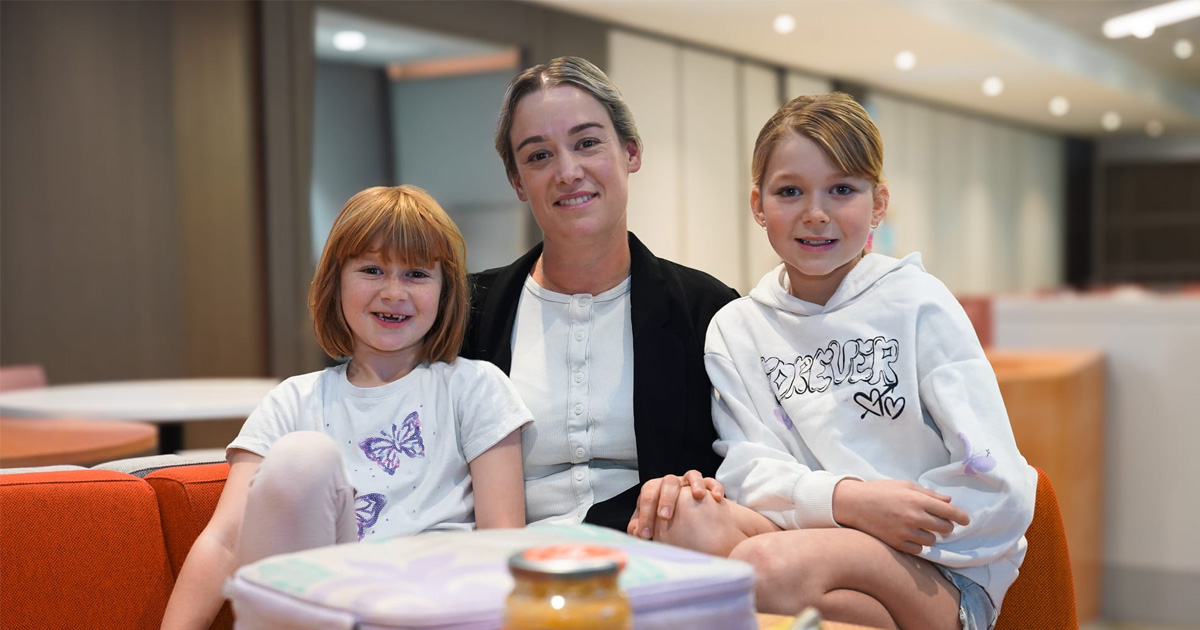
Families who introduce peanut butter and eggs to their baby’s diet at around six months of age can significantly reduce the chances of them developing a life-threatening allergy, according to a new study published in the Journal of Allergy and Clinical Immunology – In Practice.

Mothers eating a diet rich in peanuts while breastfeeding might be helping to reduce their baby’s risk of developing a peanut allergy – that’s the hypothesis of a new clinical trial that has been granted $2.29 million in funding by the National Health and Medical Research Council (NHMRC).
Wheezing and asthma exacerbations are leading causes of pediatric hospital admissions. Predicting which children will experience persistent exacerbations remains challenging. Prior research has identified immune endotypes in the nasal epithelium of children with acute asthma and wheezing, characterized by varying balances of interferons and inflammatory markers. Notably, children exhibiting low interferon responses coupled with high inflammation are at an increased risk for recurrent respiratory exacerbations.
Australia has one of the highest rates of food allergy, anaphylaxis hospital admissions and anaphylaxis fatalities worldwide. These trends and sustained advocacy prompted a 2019 Parliamentary Inquiry into Allergies and Anaphylaxis. Among 250 submissions, the Centre for Food Allergy Research called for a national research-coordinating centre and comprehensive allergy research funding.
The clinical consequences of an antibiotic allergy label are detrimental, impacting health care delivery and patient outcomes. We assessed hospital inpatients with intent to offer free antibiotic allergy labeling assessment within a randomized controlled trial. We sought to determine the feasibility of establishing an adult antibiotic allergy delabeling service in a Western Australian tertiary public hospital.
This manuscript sheds light on the impact of maternal breast milk antibodies on infant health. Milk antibodies prepare and protect the newborn against environmental exposure, guide and regulate the offspring's immune system, and promote transgenerational adaptation of the immune system to its environment.