
Search
Rhinoviruses (RVs) can cause severe wheezing illnesses in young children and patients with asthma. Vaccine development has been hampered by the multitude of RV types with little information about cross-neutralization. We previously showed that neutralizing antibody (nAb) responses to RV-C are detected twofold to threefold more often than those to RV-A throughout childhood. Based on those findings, we hypothesized that RV-C infections are more likely to induce either cross-neutralizing or longer-lasting antibody responses compared with RV-A infections.
Respiratory syncytial virus contributes to significant global infant morbidity and mortality. We applied a previously developed statistical prediction model incorporating pre-pandemic RSV testing data and hospital admission data to estimate infant RSV-hospitalizations by birth month and prematurity, focused on infants aged <1 year.
Excessive production, secretion, and retention of abnormal mucus is a pathological feature of many obstructive airways diseases including asthma. Azithromycin is an antibiotic that also possesses immunomodulatory and mucoregulatory activities, which may contribute to the clinical effectiveness of azithromycin in asthma.
The lack of a consensus definition of neonatal sepsis and a core outcome set proves a substantial impediment to research that influences policy and practice relevant to key stakeholders, patients and parents.
Preterm infants are at increased risk for invasive neonatal bacterial infections. S. epidermidis, a ubiquitous skin commensal, is a major cause of late-onset neonatal sepsis, particularly in high-resource settings. The vulnerability of preterm infants to serious bacterial infections is commonly attributed to their distinct and developing immune system.
Human rhinovirus (RV)-induced exacerbations of asthma and wheeze are a major cause of emergency room presentations and hospital admissions among children. Previous studies have shown that immune response patterns during these exacerbations are heterogeneous and are characterized by the presence or absence of robust interferon responses.
Atopic diseases are the most common chronic conditions of childhood. The apparent rise in food anaphylaxis in young children over the past three decades is of particular concern, owing to the lack of proven prevention strategies other than the timely introduction of peanut and egg.
Dysbiosis refers to a reduction in microbial diversity, combined with a loss of beneficial taxa, and an increase in pathogenic microorganisms. Dysbiosis of the intestinal microbiota can have a substantial effect on the nervous and immune systems, contributing to the onset of several inflammatory diseases.
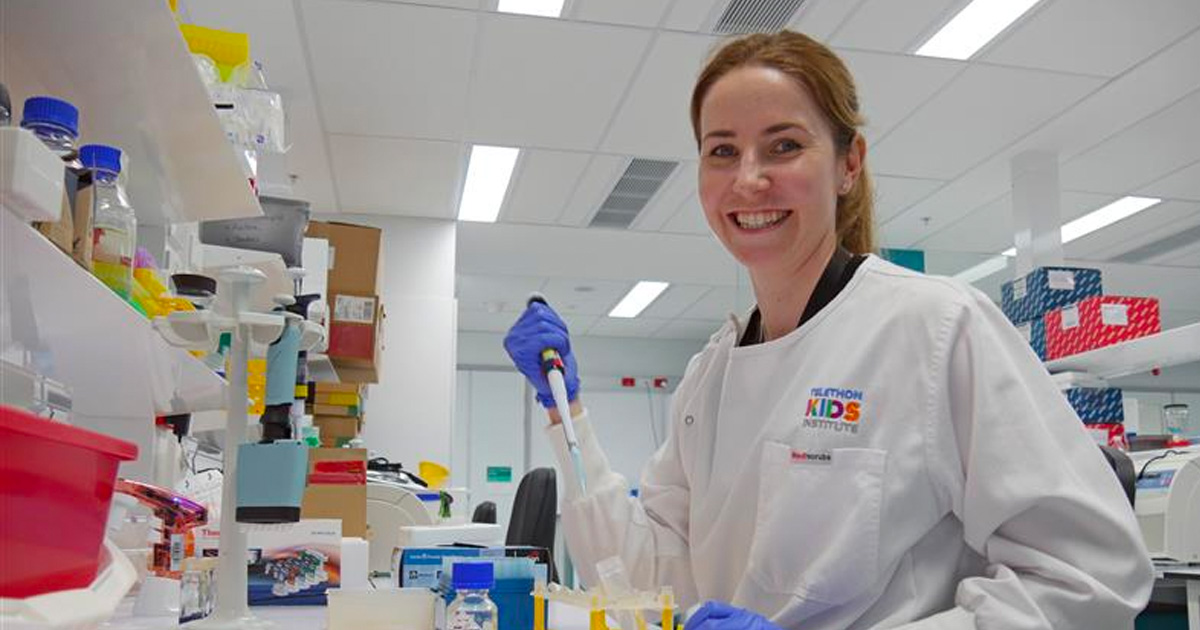
WA researchers hope to gain new insights into the way immune cells in the body trigger attacks of multiple sclerosis (MS), thanks to new funding from MS Australia.

Two The Kids Research Institute Australia researchers have been awarded prestigious grants from the Raine Medical Research Foundation for projects in childhood cancer and newborn infection control.