
Search
HIV, tuberculosis (TB) and malaria are the three most important infectious diseases in Ethiopia, and sub-Saharan Africa. Understanding the spatial codistribution of these diseases is critical for designing geographically targeted and integrated disease control programmes. This study investigated the spatial overlap and drivers of HIV, TB and malaria prevalence in Ethiopia.
Infectious diseases such as tuberculosis (TB), malaria and soil-transmitted helminthiasis continue to impose a significant global health burden and socio-economic impact. Globally, minority indigenous people are disproportionately affected by poverty and are shown to experience a disparate burden of disease and poorer health outcomes than the comparative majority population.
Tuberculosis (TB) is the leading cause of death from a bacterial pathogen worldwide. China has the third highest TB burden in the world, with a high reported burden in Hunan Province (amongst others). This study aimed to investigate the spatial distribution of TB and identify socioeconomic, demographic, and environmental drivers in Hunan Province, China. Numbers of reported cases of TB were obtained from the Tuberculosis Control Institute of Hunan Province, China.
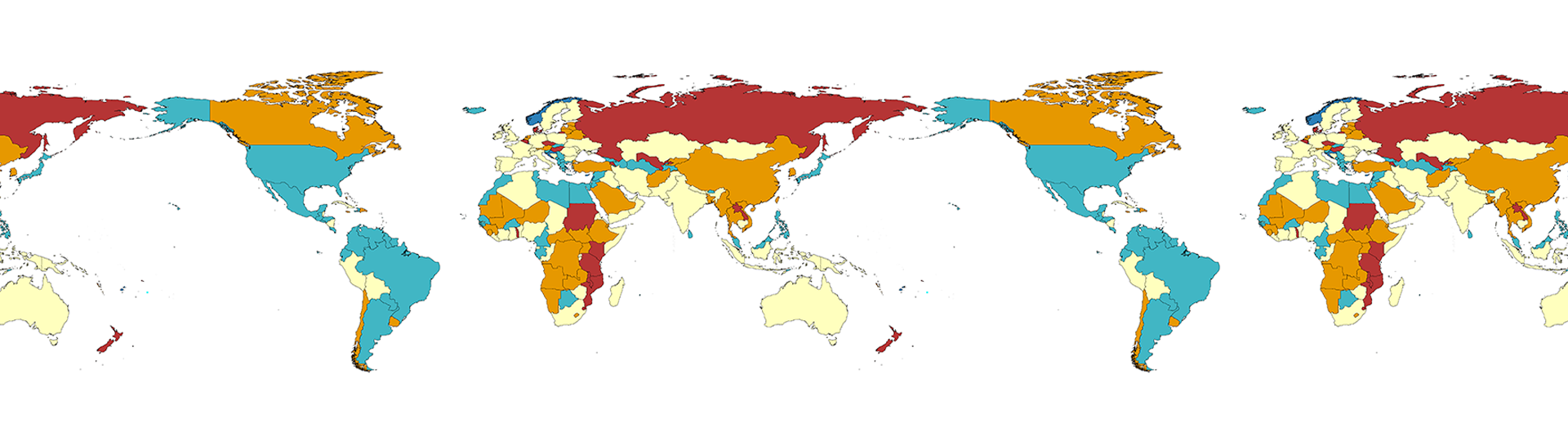
The Geospatial and Tuberculosis (GeoTB) team led by Kefyalew Alene focuses on designing an innovative approach for improving the efficiency and effectiveness of public health interventions to help control and ultimately eliminate tuberculosis in high-burden countries.
The first global review of the effectiveness of current strategies to fight tuberculosis has found preventive therapy is the most effective intervention strategy.
Christopher Kefyalew Hannah Blyth Alene Moore MBBS (Hons) DCH FRACP FRCPA PhD BSc, MPH, PhD OAM BSc (Hons) GradDipClinEpi PhD Centre Head, Wesfarmers
Kefyalew Alene BSc, MPH, PhD Head, Geospatial and Tuberculosis 0404705064 Kefyalew.alene@thekids.org.au Honorary Research Fellow Dr Kefyalew Alene
Vietnam, as one of the countries in the Greater Mekong Subregion, has committed to eliminating all malaria by 2030. Declining case numbers highlight the country's progress, but challenges including imported cases and pockets of residual transmission remain. To successfully eliminate malaria and to prevent reintroduction of malaria transmission, geostatistical modelling of vulnerability (importation rate) and receptivity (quantified by the reproduction number) of malaria is critical.
Interferon γ release assays (IGRAs) are widely used for diagnosis of latent tuberculosis infection. However, with repeated testing, IGRA transformation (conversion or reversion) may be detected and is challenging to interpret. We reviewed the frequency of and risk factors for IGRA transformation.
Low tuberculosis (TB) case detection remains a major challenge in achieving the End TB targets. New strategies that consider local contexts are needed in countries with high TB burdens like Ethiopia. This study examined the effect of integrating traditional and modern TB care to increase the TB case detection rate.