
Search
Research
Tourette SyndromeOccurring in 1% of school-aged children, Tourette syndrome is a neurodevelopmental disorder characterised by uncontrollable movements and vocalisations known as tics.
Research
MeningitisMeningitis is when the membranes that surround the brain and spinal cord (meninges) become infected by the bacteria Neisseria meningitidis.

The following maps provide a visual insight into how the number and rate of Indigenous suicides varies across different regions of Australia.
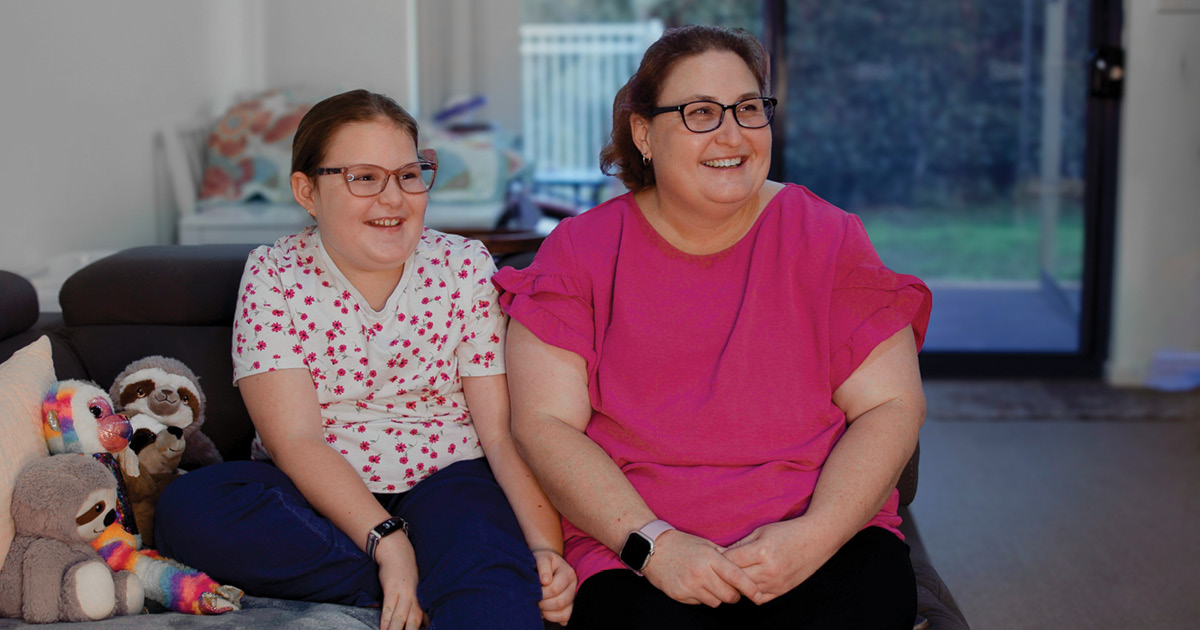
Helping children build resilience and cope with the trauma associated with medical emergencies and chronic health conditions is the focus of a promising pilot program being undertaken by The Kids Research Institute Australia.
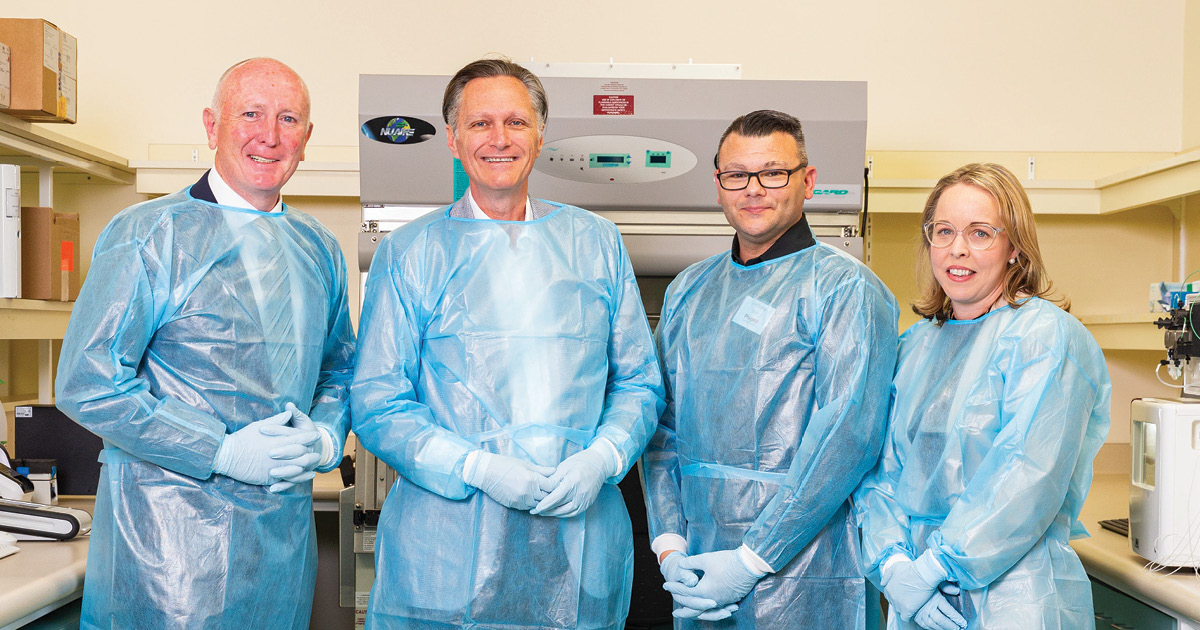
Western Australia’s first bacteriophage manufacturing facility has been opened in a significant development that brings patients battling antibiotic-resistant infections a step closer to life-saving phage therapy.

Sports coaches across Australia can now access WA-designed sport resources, which aim to help coaches better understand type 1 diabetes (T1D) and encourage children living with the condition to stay in sport.
The NATSISPEP will formally evaluate a range of existing Indigenous suicide prevention programs and services to develop an evidence base for 'what works'.
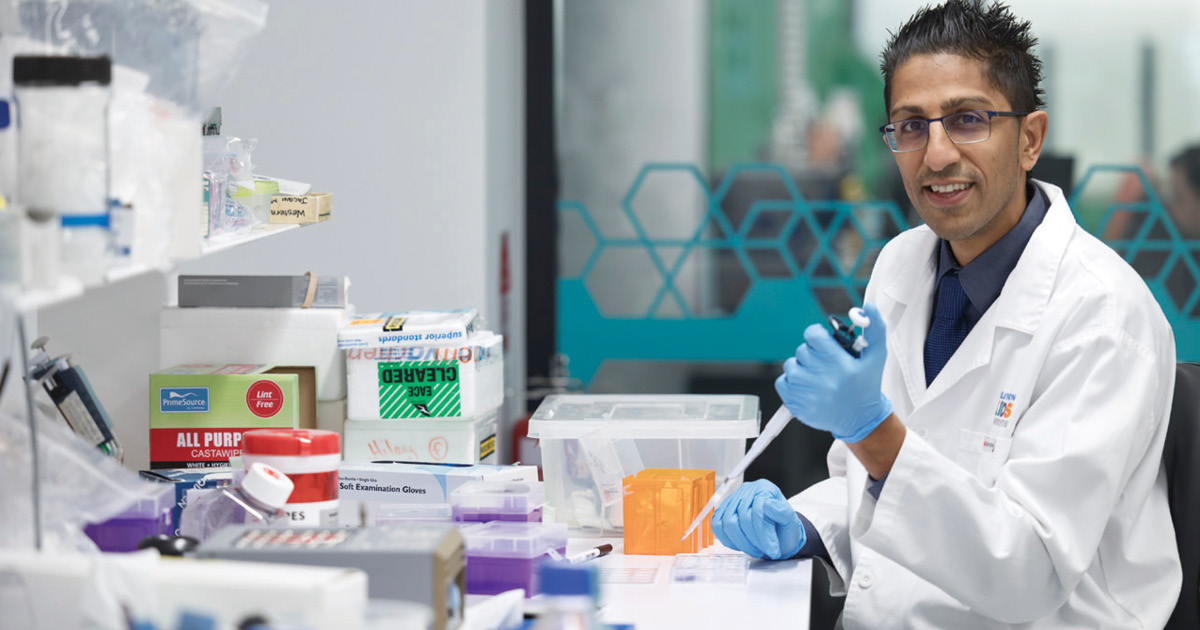
A pilot clinical study has found an immunotherapy drug can dramatically increase survival rates for babies with a rare form of leukaemia, paving the way for a major international clinical trial.

The Institute's Standards for the Conduct of Aboriginal Health Research outline our ways of working with Aboriginal communities and peoples.
Research
Longitudinal associations between maternal and child screen use at 1 year of age and child behavior and development at 3 years of ageYoung children are increasingly exposed to evolving screen technology. International guidelines recommend no screen use for children under the age of 2 years, due to the potential for detrimental effects on behaviour and development. However, evidence for these guidelines is limited by inadequate consideration of device-specific effects (TV and mobile phone/tablet computer), maternal screen use, confounders such as maternal mental health and importance of effect sizes.