
Search

This University of Western Australia study, being conducted by a PhD student who is working with the Children's Diabetes Centre, aims to determine for the first time whether head out of water immersion or water-based exercise affects blood glucose levels in people with type 1 diabetes.
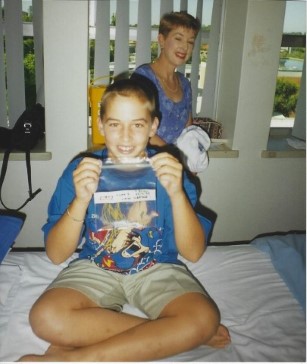
February 22, 1999 will forever be etched into the memory of Thomas Johns as it marks the day he became the first child in Australia to be fitted with an insulin pump.

The Kids Discovery Centre is celebrating National Science Week 2020 (August 17-21) with several exciting programs

During National Diabetes Week, we take a look at diabetes distress and what research the Children's Diabetes Centre is doing to improve the mental health and wellbeing of young people with diabetes and their families.

A new ongoing Q & A series focusing on different research themes within the Children’s Diabetes Centre - focus: mental health and schools teams.

A new ongoing Q & A series focusing on different research themes within the Children’s Diabetes Centre - focus: exercise team.

Caring for a child with type 1 diabetes is challenging, and perhaps even more so when the child is a toddler. Mindful of this and considering the unique needs of families caring for very young children with type 1 diabetes, PCH's Diabetes Clinic is currently

With COVID-19 currently under control in WA, Perth Children's Hospital's diabetes Service is beginning to plan for a return to best practice face-to-face care in clinics in the coming months.

Did you catch Professor Liz Davis, co-director of the Children's Diabetes Centre and head of Perth Children's Hospital's endocrinology department, on RTR FM's Fitter Happier segment recently?

We have put together some activities that you can do while you’re at home with your family. It’s important to talk to your family about how you are feeling, and we hope these activities will encourage those conversations while having a bit of fun.