
Search
Low vitamin D intake and prevalence of serum 25-hydroxyvitamin D concentration <50 nmol/L among Aboriginal and Torres Strait Islander peoples highlight a need for public health strategies to improve vitamin D status. Since few foods contain naturally occurring vitamin D, food fortification could be a suitable strategy. We aimed to model vitamin D food fortification scenarios among Aboriginal and Torres Strait Islander peoples.
To explore Aboriginal families' experiences of recognising clinical deterioration and raising their concerns within the Paediatric ESCALATION system to identify enablers and barriers to family involvement.
Rheumatic heart disease (RHD) is the acquired autoimmune heart valve damage resulting from untreated infection with the Streptococcus pyogenes bacterium, which affects people experiencing socioeconomic disadvantage globally. This study measured RHD-associated major adverse cardiovascular events (MACE) and the increased risk associated with pregnancy among women diagnosed with RHD.
The Aboriginal Health and Wellbeing Team follows an holistic definition of Aboriginal Health which means that health is not just the physical wellbeing of an individual but includes the social, emotional and cultural wellbeing of the whole community.

The fifth Big Elders meeting/gathering was held on the Wednesday, 28th of February 2024 at Burswood on Swan.
This research project was part of the broader Ngulluk Koolunga Ngulluk Koort (Our Children, Our Heart) five-year (2016 to 2020) project.
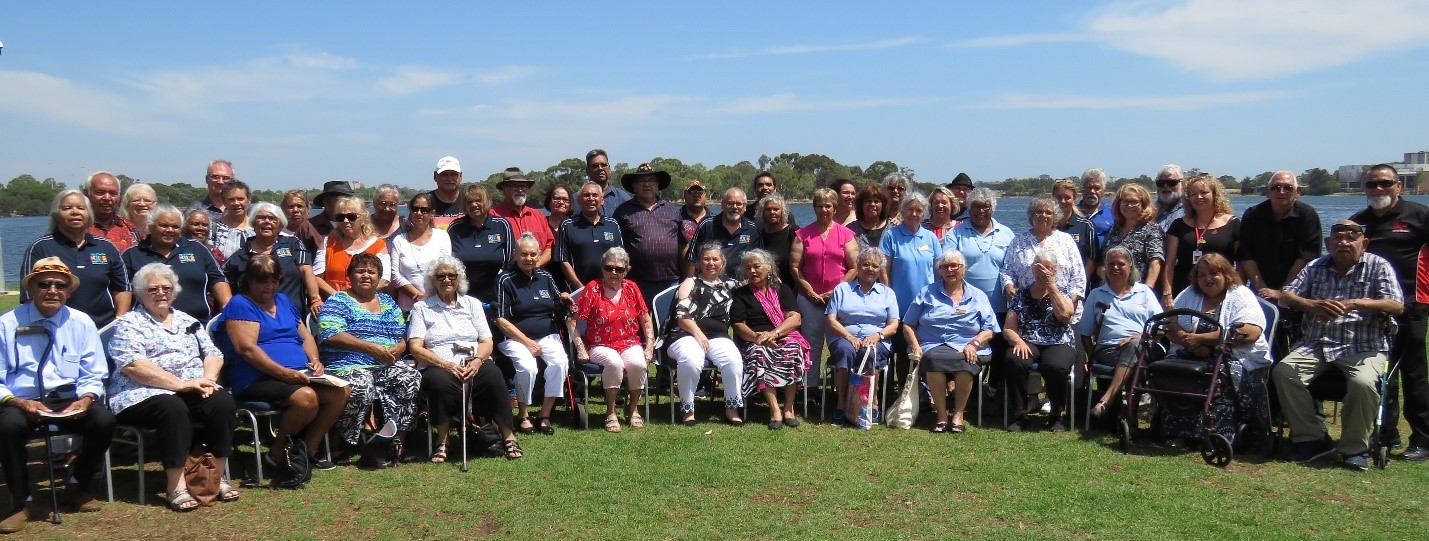
The third Big Elders meeting/gathering was held on the 26th of February 2019 at Burswood on Swan.

Are you a young person (14-25 years old) who is Aboriginal and/or Torres Strait Islander and LGBTIQ?
To identify the barriers and facilitators for timely detection and optimal management of otitis media in Aboriginal children in a primary care setting from the perspective of Health Care Providers
Type 1 diabetes in First Nations peoples is low yet type 2 diabetes is at epidemic proportions. This study aimed to determine the prevalence of islet autoimmunity in First Nations women with dysglycaemia and its association with clinical features.