
Search
There is a lack of evidence regarding the effect of dose, pattern and timing of prenatal alcohol exposure and behaviour problems in children aged 2 years.
This study investigated the risks for cerebral palsy in survivors of multiple pregnancies with cofetal loss (< 20 weeks' gestation) or cofetal death...
To examine whether maternal gestational hypertension and preeclampsia are associated with behavioral problems in offspring
The aim of this study was to investigate the relationship between a child's weight and a broad range of family and maternal factors.
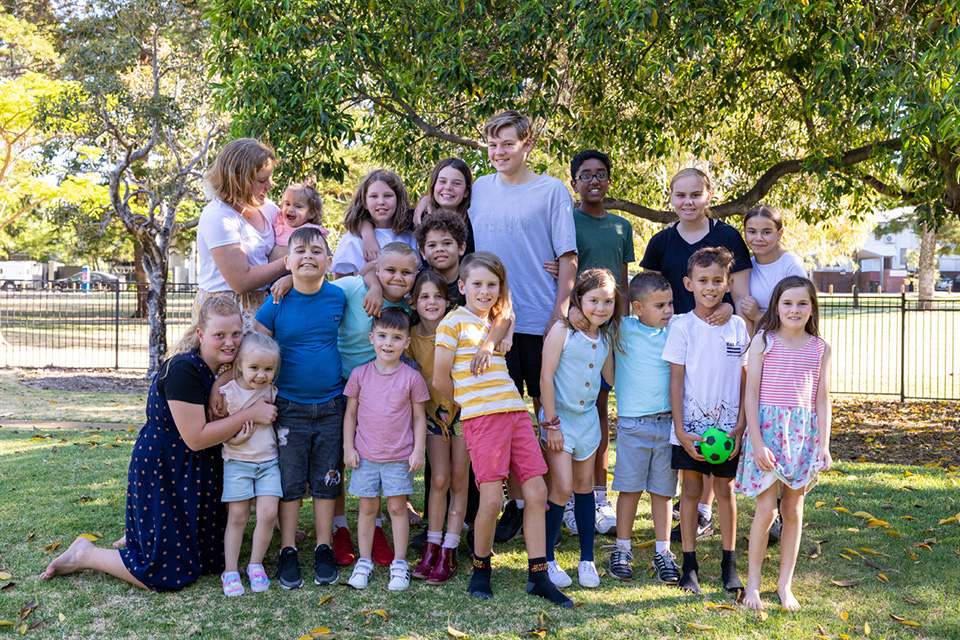
The Human Development and Community Wellbeing (HDCW) Team focuses on improving outcomes for children, family, and the community.

Co-Head, Aboriginal Health and Wellbeing

Team Head, Human Development and Community Wellbeing Team
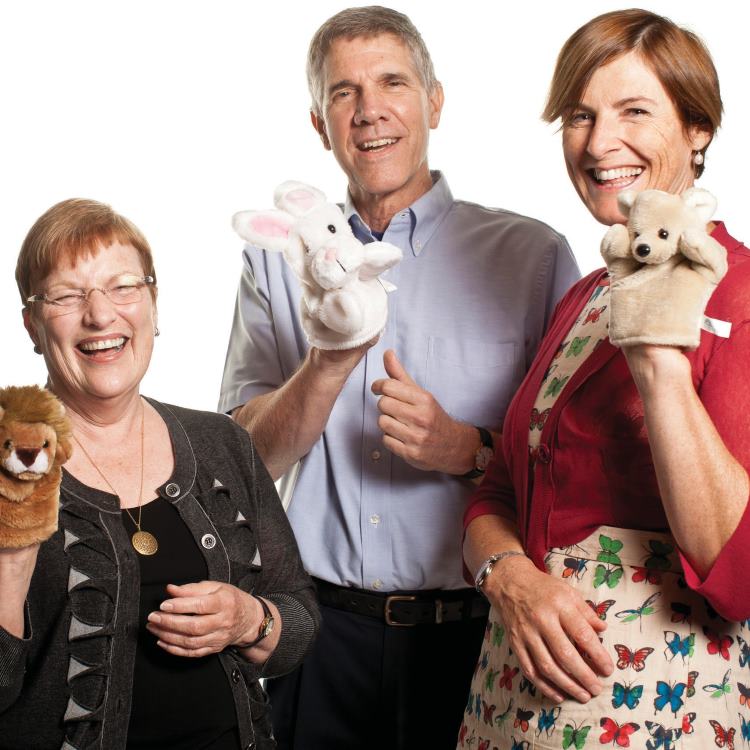
A joint initiative between The Kids Research Institute Australia, The University of Western Australia, the University of Kansas and Nebraska University, it is the world’s only study to conduct such a detailed assessment of language and literacy development from infancy through the formative adolescent years.
The Bright Tomorrows app developed at The Kids Research Institute Australia aims to assist parents of children aged 0-5 years to support their child to develop the building blocks of several essential life skills.
The Tasmanian Government has made a significant commitment in recent years to ensure children have the best possible start in life.