Skip to content

Search

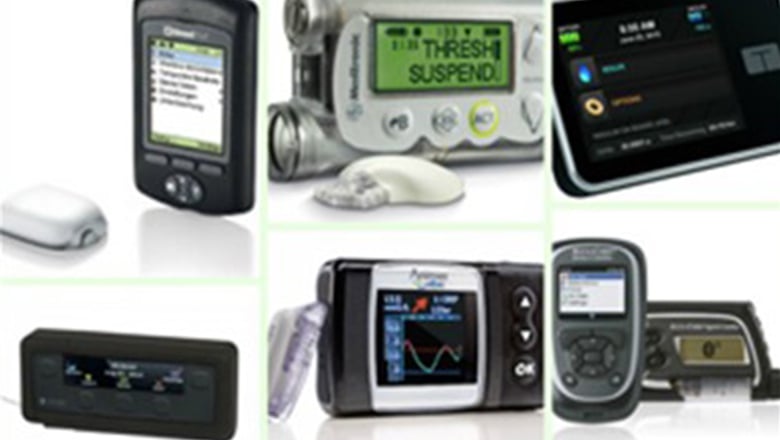
Advances in Automated Insulin Delivery with the Medtronic 780G: The Australian Experience

To assess the real-world performance of MiniMed™ 780G for Australians with type 1 diabetes (T1D) following advanced hybrid closed loop (AHCL) activation and to evaluate the effect of changing from MiniMed 670/770G to 780G.

Real-world glycaemic outcomes in children and young people on advanced hybrid closed-loop therapy: A population-based study in Western Australia

To evaluate real-world glycaemic outcomes in children with type 1 diabetes commencing advanced hybrid closed loop therapy and to explore these outcomes based on the cohort's clinical and socioeconomic characteristics.

Disparities in Diabetes Technology Uptake in Youth and Young Adults With Type 1 Diabetes: A Global Perspective

Globally, nearly 9 million people are living with type 1 diabetes (T1D). Although the incidence of T1D is not affected by socioeconomic status, the development of complications and limited access to modern therapy is overrepresented in vulnerable populations. Diabetes technology, specifically continuous glucose monitoring and automated insulin delivery systems, are considered the gold standard for management of T1D, yet access to these technologies varies widely across countries and regions, and varies widely even within high-income countries.

Childhood-onset type 1 diabetes in Western Australia: An update on incidence and temporal trends from 2001 to 2022

To determine the incidence and incidence trends over 2001-2022 of childhood-onset type 1 diabetes (T1D) in Western Australia and assess the impact of the COVID-19 pandemic.

Association of Achieving Time in Range Clinical Targets With Treatment Modality Among Youths With Type 1 Diabetes

Continuous glucose monitoring (CGM) devices have demonstrated efficacy in adults and more recently in youths and older adults with type 1 diabetes. In adults with type 1 diabetes, the use of real-time CGM compared with intermittently scanned CGM was associated with improved glycemic control, but there are limited data available for youths. 

Blood pressure in adolescents and young adults with type 1 diabetes: data from the Australasian Diabetes Data Network registry

Hypertension increases complication risk in type 1 diabetes (T1D). We examined blood pressure (BP) in adolescents and young adults with T1D from the Australasian Diabetes Data Network, a prospective clinical diabetes registry in Australia and New Zealand. 

Protocol for a nested case-control study design for omics investigations in the Environmental Determinants of Islet Autoimmunity cohort

The Environmental Determinants of Islet Autoimmunity (ENDIA) pregnancy-birth cohort investigates the developmental origins of type 1 diabetes (T1D), with recruitment between 2013 and 2019. ENDIA is the first study in the world with comprehensive data and biospecimen collection during pregnancy, at birth and through childhood from at-risk children who have a first-degree relative with T1D.

Mapping care provision for type 1 diabetes throughout Australia: a protocol for a mixed-method study

Type 1 diabetes (T1D) is a chronic and incurable autoimmune disease, diagnosed in early childhood and managed initially in paediatric healthcare services. In many countries, including Australia, national audit data suggest that management and care of T1D, and consequently glycaemic control, are consistently poor.

ISPAD Clinical Practice Consensus Guidelines 2022: Exercise in children and adolescents with diabetes

Liz Davis MBBS FRACP PhD Co-director of Children’s Diabetes Centre Co-director of Children’s Diabetes Centre Professor Davis is a paediatric

“Sometimes Our Mob Don't Really Take It Serious Until It's Serious”: The Experiences of Western Australian Aboriginal Adolescents Living With Type 2 Diabetes, Their Parents, and Their Family Members

In Australia, Aboriginal children experience disproportionate rates of type 2 diabetes (T2D) compared with non-Aboriginal children. The aim of this qualitative study was to explore the experiences of Aboriginal adolescents with T2D and their family members to better understand the influences of T2D on self-management, with findings used to inform an enhanced service model of care.