
Search
Staphylococcus aureus is a common cause of community and health care-associated bacteremia, with authors of recent studies estimating the incidence of S aureus bacteremia (SAB) in high-income countries between 8 and 26 per 100 000 children per year. Despite this, <300 children worldwide have ever been randomly assigned into clinical trials to assess the efficacy of treatment of SAB.
As of 1 May 2020, there had been 6808 confirmed cases of COVID-19 in Australia. Of these, 98 had died from the disease. The epidemic had been in decline since mid-March, with 308 cases confirmed nationally since 14 April.
Detection of pneumonia-causing respiratory viruses in the nasopharynx of asymptomatic children has made their actual contribution to pneumonia unclear. We compared nasopharyngeal viral density between children with and without pneumonia to understand if viral density could be used to diagnose pneumonia.
Throughout history, pandemics of viral infections such as HIV, Ebola and Influenza have disrupted health care systems, including the prevention and control of endemic diseases. Such disruption has resulted in an increased burden of endemic diseases in post-pandemic periods.
Baseline signatures might contribute to identifying interventional targets to be modulated prior to vaccination in order to improve vaccination responses
GWAS results provide firm confirmation for the importance of antigen presentation and the regulation of IFNγ in determining the outcome of Leishmania infections
Blood responses in very preterm infants with LOS are characterised by altered host immune responses that appear to reflect unbalanced immuno-metabolic homeostasis
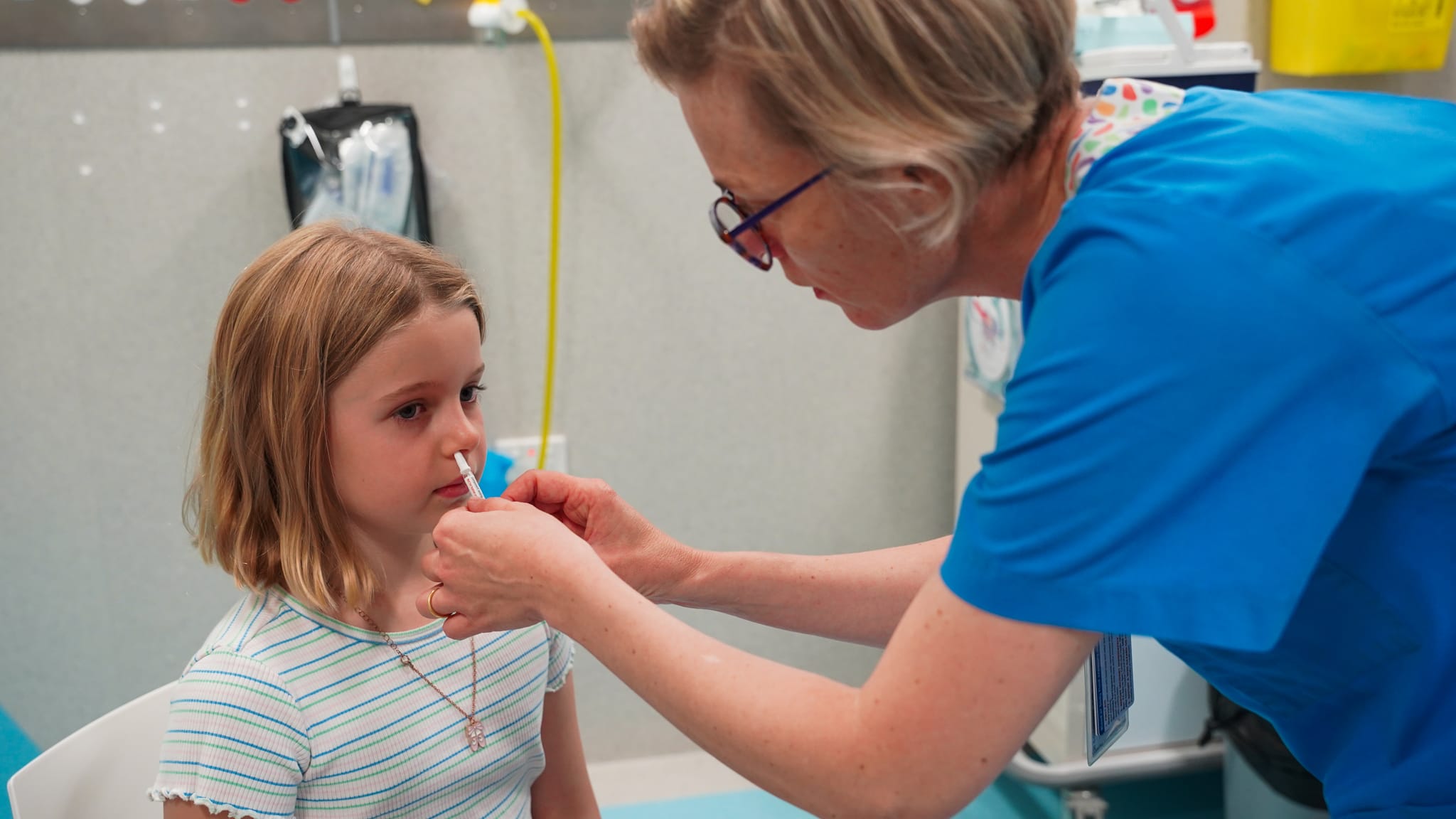
Influenza (commonly known as the flu) is caused by a highly contagious virus spread mainly through coughing and sneezing. An annual flu vaccination is the most effective way to prevent flu outbreaks.

Whooping cough (pertussis) is a highly contagious respiratory infection which causes a severe cough and can be particularly dangerous to babies under a year old. Vaccination is the best way to reduce the risk of whooping cough.
The impact of smallpox (variola) on Aboriginal communities in Australia beginning in 1789 was catastrophic and continues to cause intergenerational trauma. Historically biased perspectives and contemporary misinformation of the disease's introduction and spread impede modern-day truth-telling and efforts towards reconciliation and national healing.