
Search
Research
Socio-economic inequality underpins inequity in influenza vaccination uptake between public and private secondary schools: an Australian population-based studySocio-economic inequality and vaccination inequity have long been critical issues. However, no studies have explored the gap in influenza vaccination uptake between public and private schools. Importantly, the extent to which socio-economic inequality translates into vaccination uptake inequity has not been quantified.
Research
Feasibility of the pre-operative measurement of fractional exhaled nitric oxide and respiratory mechanics to predict respiratory outcomes in children undergoing general anaesthesiaPeri-operative respiratory adverse events remain a major cause of morbidity and mortality in children undergoing general anaesthesia; those with asthma are at higher risk. The aim of this feasibility study was to determine whether pre-operative measurements of fractional exhaled nitric oxide and the forced oscillation technique are feasible in children, and to explore whether these measurements can predict peri-operative respiratory adverse events.
Research
Numerical simulation of aerosolised medicine delivery through tracheostomy airwaysThe administration of inhaled antibiotics to patients with upper or lower respiratory infections is sometimes conducted via a tracheostomy airway. However, precise dosing via this route remains uncertain, especially in spontaneously breathing paediatric patients.
Research
Automated reporting of primaquine dose efficacy, tolerability and safety for Plasmodium vivax malaria using a systematic review and individual patient data meta-analysisThe antirelapse efficacy of primaquine is related to the total dose administered, whereas the risks of haemolysis and gastrointestinal intolerance are associated with the daily dose administered. National Malaria Control Programmes require local information on efficacy, tolerability and safety to optimize antimalarial treatment policies for Plasmodium vivax malaria control and elimination efforts.
Research
Modelling Micro-Elimination: Third-Trimester Tenofovir Prophylaxis for Perinatal Transmission of Hepatitis B in the Remote Dolpa District of NepalHepatitis B (HBV) prevalence is very high in pregnant women in the Dolpa district of Nepal, a region characterised by a remote geographic landscape and low vaccination coverage. Using mathematical modelling, we evaluated the impact of third-trimester tenofovir disoproxil fumarate (TDF) prophylaxis on HBV burden and estimated the time required to achieve HBV elimination in Dolpa.
Research
VaccinationVaccination is the injection of an inactivated bacteria or virus into the body. This simulated infection allows an individual's immune system to develop an adaptive immunity for protection against that type of illness. When a sufficiently large percentage of a population has been vaccinated, this results in herd immunity.
Research
Tourette SyndromeOccurring in 1% of school-aged children, Tourette syndrome is a neurodevelopmental disorder characterised by uncontrollable movements and vocalisations known as tics.
Research
MeningitisMeningitis is when the membranes that surround the brain and spinal cord (meninges) become infected by the bacteria Neisseria meningitidis.
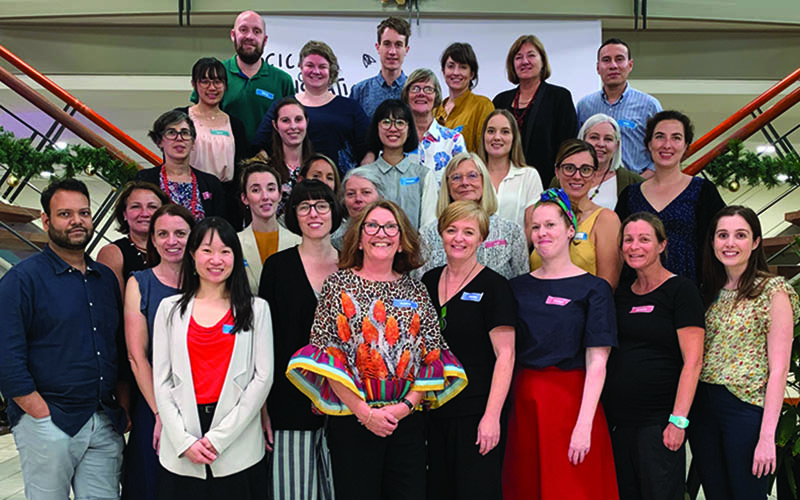
The FASD Research Australia Centre of Research Excellence (CRE) has substantially built the evidence base around FASD and had a significant impact on advocacy, policy and practice.
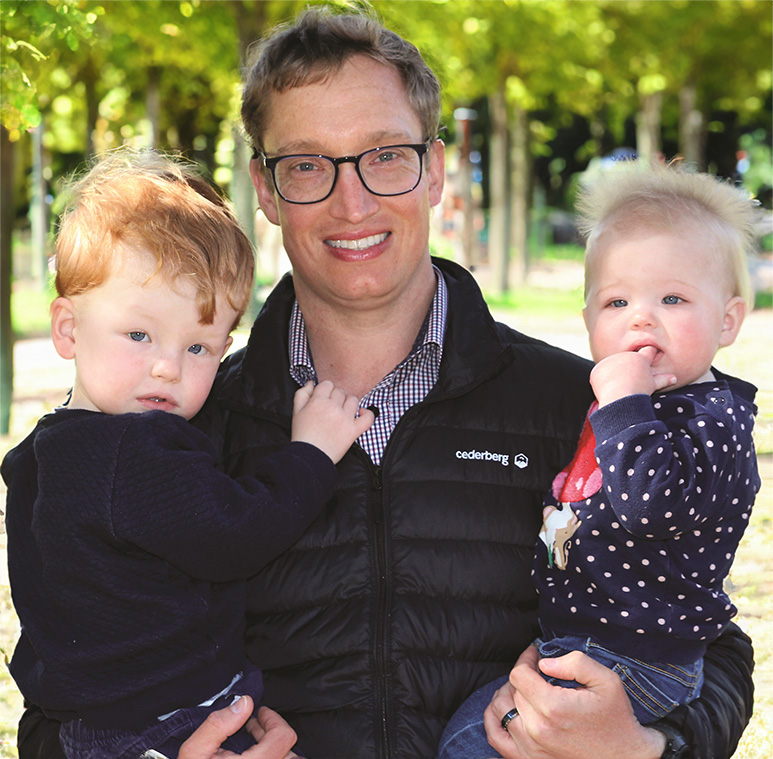
New dads can feel undervalued and face significant health and mental health risks following the birth of a child, according to new research that has prompted a rethink about how to address the often-unmet needs of fathers.