
Search
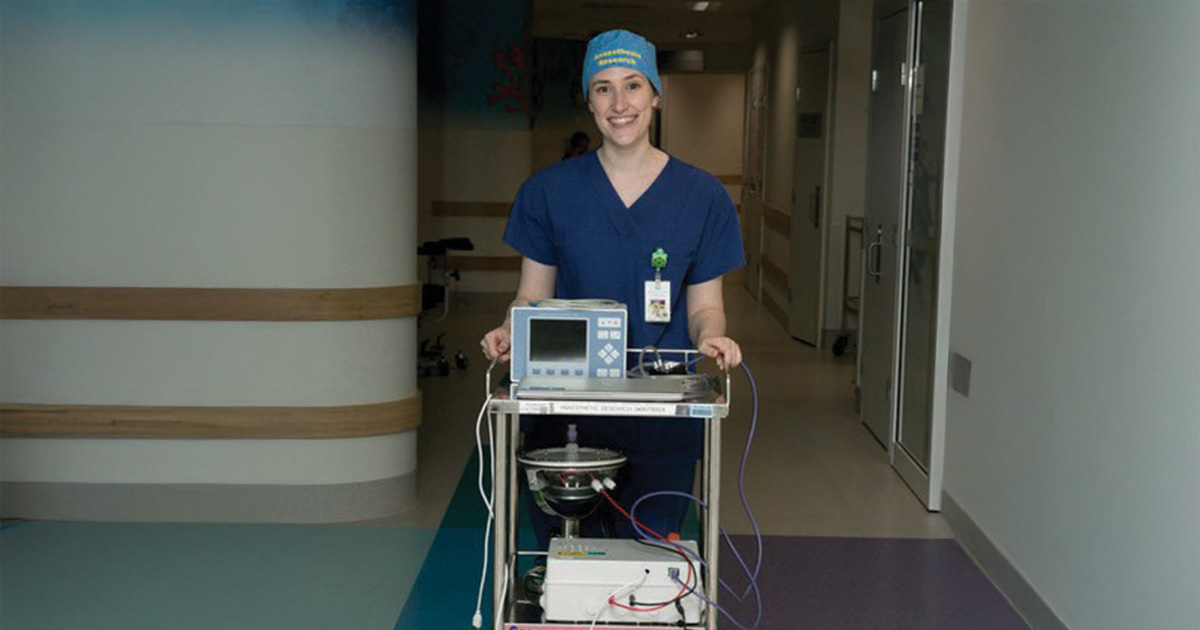
When kids are having surgery, the most common problem that can occur during anaesthesia is a respiratory adverse event.
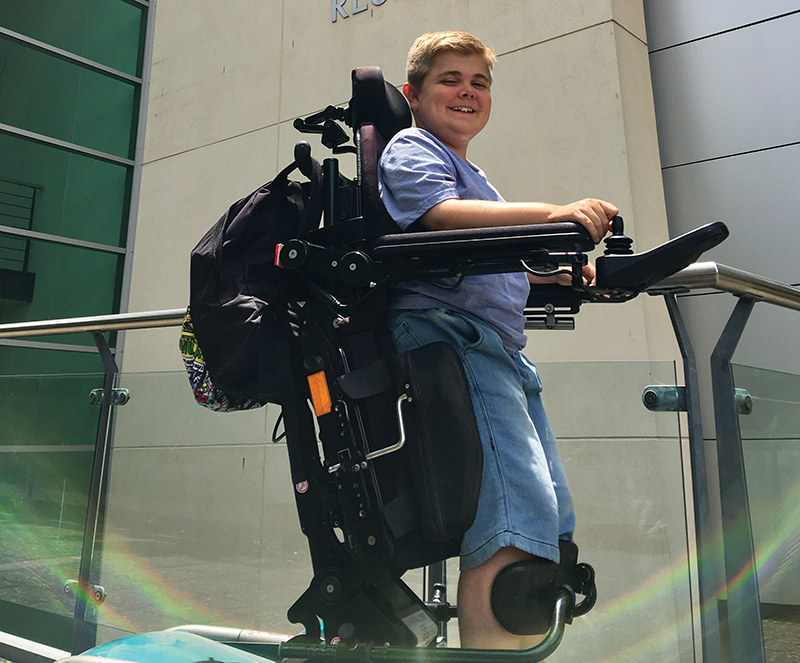
Klair Bayley knew her son Logan would eventually need a wheelchair.
The aim of RESP-ACT is to reduce these children’s respiratory hospital admissions and visits to Emergency Department, and to help them and their families to have as the best possible quality of life.

Ask our experts a question about the COVID-19 pandemic.
Research
Eating and exercise experiences of Australian trans and gender diverse folks: lived experience and stakeholder perspectivesTrans individuals face elevated health risks and socio-environmental challenges, influencing their engagement in health-protective behaviors (e.g. exercise and nutrition). Despite these challenges, there is a significant gap in understanding the specific eating and exercise experiences of Australian trans adults, including barriers to healthy behaviors and healthcare experiences. This study aims to address this gap by exploring these experiences, informing targeted interventions and healthcare practices to improve health outcomes.
Research
Acceptability and Implementation Challenges of Benzathine Penicillin G Secondary Prophylaxis for Rheumatic Heart Disease in Ethiopia: A Qualitative StudyMonthly intramuscular injections of benzathine penicillin G (BPG) remain the cornerstone of secondary prophylaxis for acute rheumatic fever and rheumatic heart disease (RHD). The barriers to successful delivery of BPG may be patient- or service-delivery-dependent.
Research
Safety and immunogenicity of pneumococcal conjugate vaccines in a high-risk population: a randomised controlled trial of PCV in Papua New Guinean infantsInfant vaccination with 3 doses of PCV10 or PCV13 is safe and immunogenic in a highly endemic setting
Research
Potential for molecular testing for group a streptococcus to improve diagnosis and management in a high-risk population: A prospective studyImplementation of molecular testing could improve antibiotic use in this high-burden setting
Research
HLA-DR Class II expression on myeloid and lymphoid cells in relation to HLA-DRB1 as a genetic risk factor for visceral leishmaniasisTo understand how HLA-DR contributes to disease pathogenesis, we examined expression at the protein level in circulating myeloid and lymphoid cells of VL patients
Research
Determinants for progression from asymptomatic infection to symptomatic visceral leishmaniasis: A cohort studyWe confirmed the strong association between high DAT and/or rK39 titers and progression to disease among asymptomatic subjects