
Search
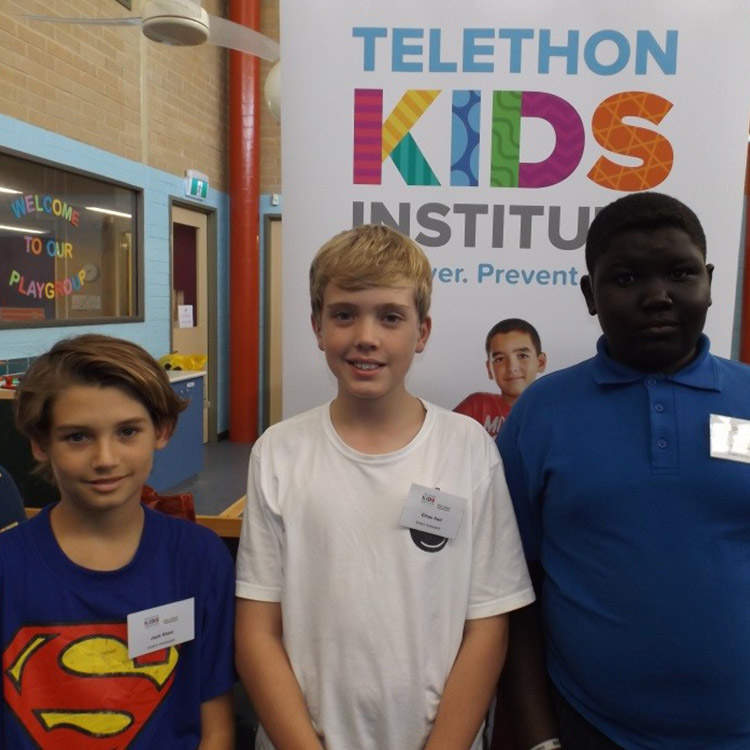
Ethan recently took part in Belong, a study led by The Kids which aims to ensure deaf and hard of hearing kids have a happy & positive school experience
A new study has found children with disabilities are 3 times more likely to be maltreated compared to other children but that risk varies by type of disability.
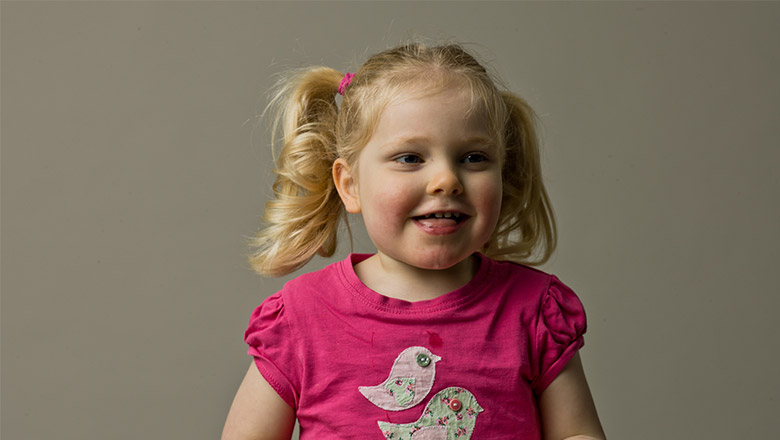
Imagine your baby is developing normally, then suddenly she starts losing skills. Watch Marlee's story below and find out what researchers are doing.
Andrew Helen Jenny Peter Videos Whitehouse Watch and listen to Andrew Leonard Downs Jacoby PhD MBChB MPH BApplSci (physio) MSc PhD BA (Hons) MSc
IDEA is one of the few population-based resources in the world dedicated to intellectual disability. The IDEA database contains information on all children born in Western Australia since 1983 who have been identified with having an intellectual disability. Individuals with autism spectrum disorder, both with and without intellectual disability, are also included in the database. Deidentified information is accessed from the Department of Communities WA, the WA Department of Education, and the National Disability Insurance Agency (NDIA) to create the database. IDEA can be linked to other datasets to facilitate research into the determinants, outcomes and service needs of children and adults with intellectual disability. Researchers can apply for such linked data, available in a de-identified format under approval from an ethics committee.
IDEA is one of the few population-based resources in the world dedicated to intellectual disability. The IDEA database contains information on all children born in Western Australia since 1983 who have been identified with having an intellectual disability. Individuals with autism spectrum disorder, both with and
Helen Jenny Leonard Downs MBChB MPH BApplSci (physio) MSc PhD Principal Research Fellow Head, Child Disability +61 419 956 946 08 6319 1763
Emma Helen Glasson Leonard BPsych BSc (Hons) PhD MBChB MPH Senior Research Fellow Principal Research Fellow +61 419 956 946 emma.glasson@
Guide our sibling research!
Guide our sibling research!