
Search
Our study investigates the maternal, pregnancy, and newborn risk factors by gender for children prescribed stimulant medication for treatment of ADHD in WA.
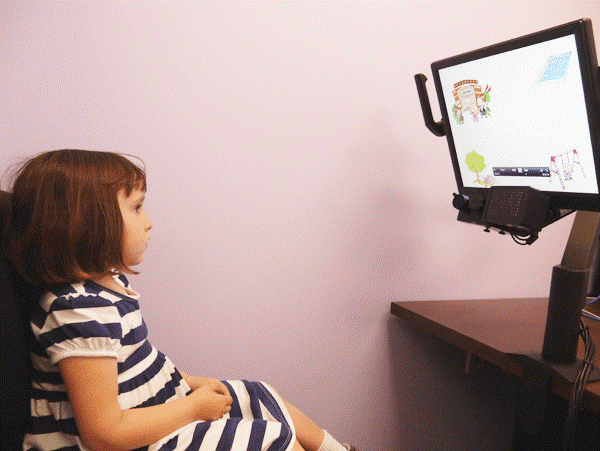
The Kids is trialling a new tool for earlier and easier screening of FASD and ADHD in children, using cutting-edge eye-tracking technology developed by the Kids Brain Health Network in Canada.

A study by The Kids Research Institute Australia has found children with Attention Deficit Hyperactivity Disorder (ADHD) have significantly worse school outcomes.

New research from The Kids Research Institute Australia has revealed a significant link between kids with severe ADHD and higher rates of early childhood hospital admissions.
Research suggests that offspring of mothers who experience high levels of stress during pregnancy are more likely to have problems in neurobehavioral...
Sibling profiles, including sibling status (only-child or sibling) and sibling characteristics (sibling size, birth order, and sex), can impact on lived experiences and social interactions, and operate as protective or risk factors for a wide range of health and well-being indicators and outcomes. Using population-based data linkage to disability-specific databases, sibling profiles were compared between families of children with and without neurodevelopmental conditions.
This study explored the lived experience of university students with attention-deficit hyperactivity disorder (ADHD) and identified factors that help or hinder their capacity for self-compassion in higher education. Fourteen university students with ADHD aged 18–25 participated in individual semi-structured interviews exploring experiences of self-compassion in academic contexts.
Eating disorders (EDs) are increasingly recognised among neurodivergent and transgender and gender diverse (TGD) individuals, yet most assessment and treatment models remain grounded in cisnormative and neuronormative assumptions and frameworks. Sensory processing, spanning interoception and exteroception, has been proposed as a potential factor that may help explain observed associations between neurodivergent traits, gender incongruence, and EDs.
With advances in perinatal care, we have achieved major reductions in mortality in premature and critically ill infants, but they still remain at increased risk of neurodevelopmental disability. In this context, recent advances in neuroimaging are perceived as an addition of significant value to current clinical developmental screening programs.
In multi-cohort consortia, the problem often arises that a phenotype is measured using different questionnaires. This study aimed to harmonize scores based on the Child Behaviour Check List (CBCL) and the Strength and Difficulties Questionnaire (SDQ) for anxiety/depression and ADHD.