
Search
Both bacteria and viruses play a role in the development of acute otitis media, however, the importance of specific viruses is unclear.
We investigated predictors of nasopharyngeal carriage in Australian Aboriginal and non-Aboriginal children.
Australian Aboriginal and/or Torres Strait Islander children in rural/remote areas suffer high rates of persistent otitis media (OM) from early infancy. We aimed to determine the proportion of Aboriginal infants living in an urban area who have OM and investigate associated risk factors.
Children with early-life recurrent otitis media (OM) will often endure pain, sleep disturbances, and other developmental setbacks that impact the surrounding family system. The aim of this study was to investigate the psychological well-being and family functioning of caregivers of children with early-life recurrent OM (rOM).
The present study aims to investigate the association between an early history of recurrent otitis media (OM) with or without ventilation tube insertion and later behavioural problems in childhood and adolescence.
Chronic suppurative otitis media (CSOM) is a leading global cause of potentially preventable hearing loss in children and adults, associated with socioeconomic deprivation. There is an absence of consensus on the definition of CSOM, which complicates efforts for prevention, treatment, and monitoring.
In remote communities of northern Australia, First Nations children with hearing loss are disproportionately at risk of poor school readiness and performance compared to their peers with no hearing loss. The aim of this trial is to prevent early childhood persisting otitis media (OM), associated hearing loss and developmental delay.
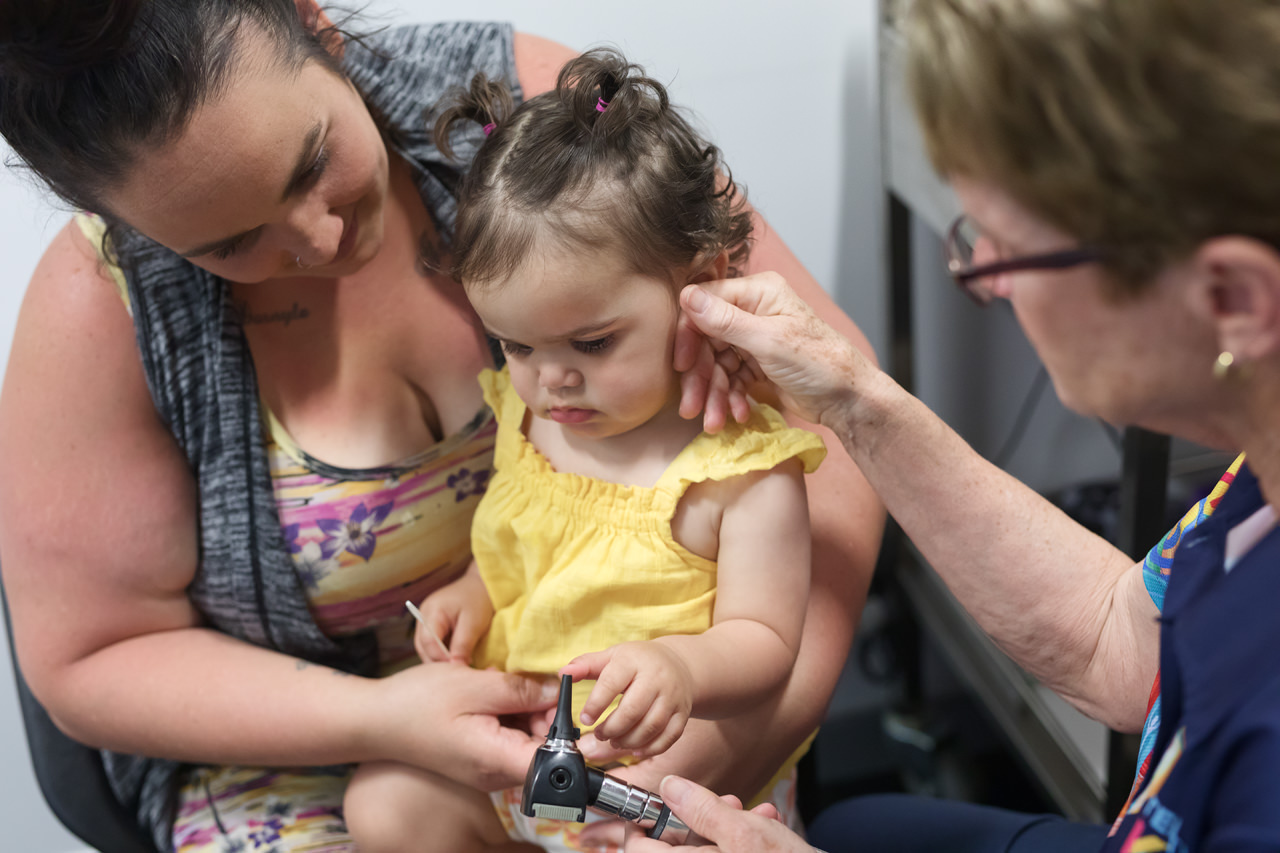
Researchers from The Kids Research Institute Australia have been awarded a $1.1 million NHMRC ‘Targeted Call for Hearing Health’ grant to conduct the first ever study following Aboriginal babies from birth through to five years to uncover the true prevalence of middle ear infections and hearing loss.
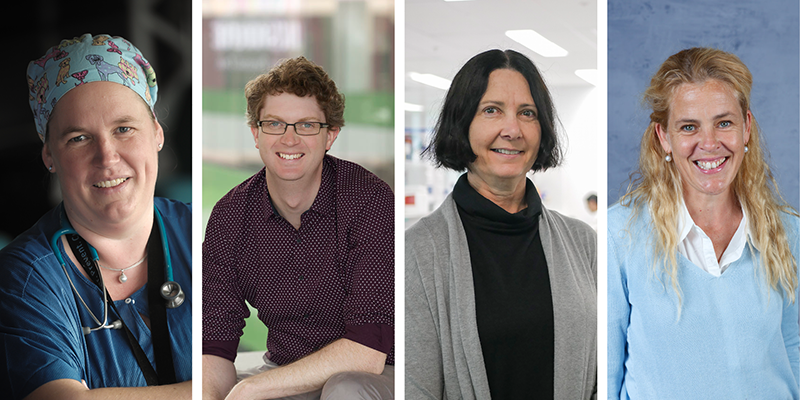
Research projects sharing in a $2.1 million funding boost will seek to translate research findings into changes that benefit patients and help the health system run more efficiently.
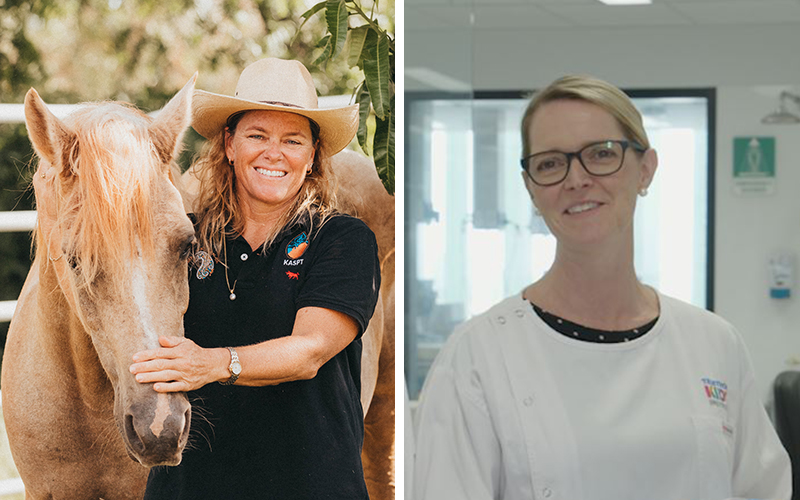
Two The Kids Research Institute Australia research teams have been awarded more than $3.5 million to fund innovative projects.