
Search
Improving the health of Indigenous adolescents is central to addressing the health inequities faced by Indigenous peoples. To achieve this, it is critical to understand what is needed from the perspectives of Indigenous adolescents themselves. There have been many qualitative studies that capture the perspectives of Indigenous young people, but synthesis of these has been limited to date.
Lateral violence, a group of behaviours directed towards people of the same group, is considered endemic among Aboriginal people. Behaviours include bullying, gossiping, isolation or exclusion of certain group members, and challenges to one’s Aboriginal identity. Lateral violence impacts all aspects of one’s life. Due to its pervasiveness, this qualitative study investigated strategies employed by Aboriginal people to deal with lateral violence.
The objective of this study was to investigate cardiometabolic health markers among Aboriginal adolescents aged 10-24 years and relationships with age, gender, and body composition.
First Nations Peoples endure disproportionate rates of stillbirth compared with non-First Nations Peoples. Previous interventions have aimed at reducing stillbirth in First Nations Peoples and providing better bereavement care without necessarily understanding the perceptions, knowledge and beliefs that could influence the design of the intervention and implementation.
Australian Aboriginal and Torres Strait Islander women with diabetes in pregnancy (DIP) are more likely to have glycaemic levels above the target range, and their babies are thus at higher risk of excessive fetal growth. Shoulder dystocia, defined by failure of spontaneous birth of fetal shoulder after birth of the head requiring obstetric maneuvers, is an obstetric emergency that is strongly associated with DIP and fetal size.
At present, limited literature exists exploring patient preferences for prophylactic treatment of acute rheumatic fever and rheumatic heart disease. Given low treatment completion rates to this treatment in Australia, where the burden of disease predominantly affects Aboriginal and Torres Strait Islander people, an improved understanding of factors driving patient preference is required to improve outcomes.
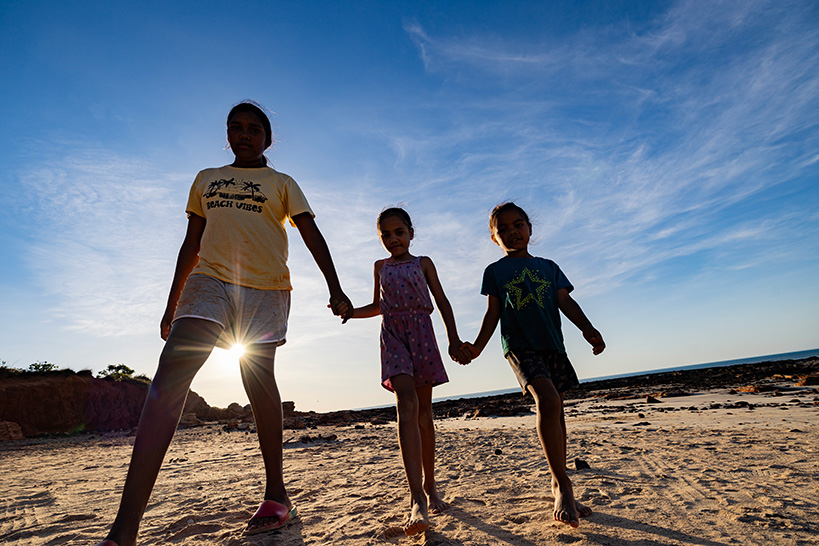
Aboriginal health is everyone's business. The needs of Aboriginal and Torres Strait Islander families and kids is integrated into all relevant areas of our work. Improving the health and wellbeing of Aboriginal and Torres Strait Islander kids and families is an overarching priority for every team at The Kids.
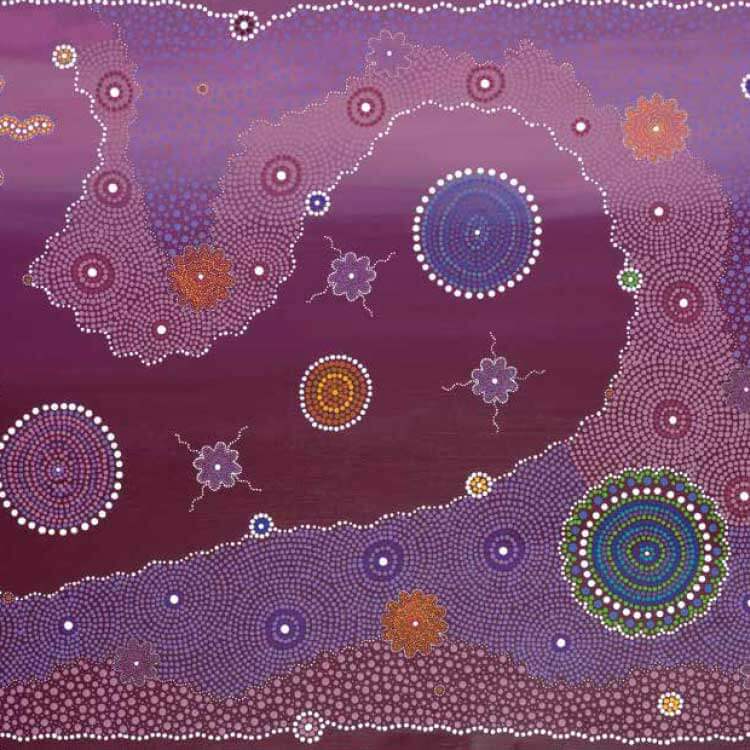
This 2nd edition is intended for staff and students and all health practitioners working in areas that support Indigenous mental health and wellbeing.
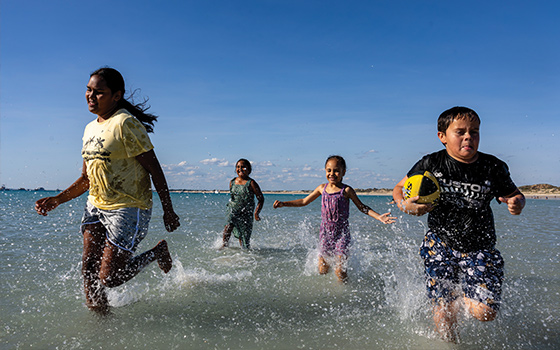
WAACHS was the largest and most comprehensive survey ever undertaken into the health, wellbeing & development of WA Aboriginal and Torres Strait Islander kids
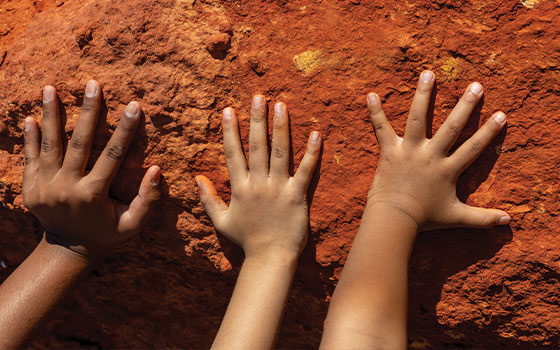
Facilitate research interest & opportunities that involve Aboriginal families & communities and build the capacity and development of Institute researchers