Skip to content
The Kids Research Institute Australia logo
Donate

Search

Research

Developmental vitamin D deficiency increases foetal exposure to testosterone

Autism spectrum disorder (ASD) is a group of neurodevelopmental disorders which are more common in males. The 'prenatal sex steroid' hypothesis links excessive sex-steroid exposure during foetal life with the behavioural differences observed in ASD. However, the reason why sex steroid exposure may be excessive remains unclear. Epidemiological studies have identified several environmental risk factors associated with ASD, including developmental vitamin D (DVD) deficiency.

Research

Genetic variants of TLR4, including the novel variant, rs5030719, and related genes are associated with susceptibility to clinical malaria in African children

Malaria is a deadly disease caused by Plasmodium spp. Several blood phenotypes have been associated with malarial resistance, which suggests a genetic component to immune protection.

Research

Investigating associations between birth order and autism diagnostic phenotypes

Birth order effects have been linked to variability in intelligence, educational attainment and sexual orientation. First- and later-born children have been linked to an increased likelihood of an Autism Spectrum Disorder (ASD) diagnosis, with a smaller body of evidence implicating decreases in cognitive functioning with increased birth order. The present study investigated the potential association between birth order and ASD diagnostic phenotypes in a large and representative population sample.

Research

Associations between the human immune system and gut microbiome with neurodevelopment in the first 5 years of life: A systematic scoping review

The aim of this review was to map the literature assessing associations between maternal or infant immune or gut microbiome biomarkers and child neurodevelopmental outcomes within the first 5 years of life. We conducted a PRISMA-ScR compliant review of peer-reviewed, English-language journal articles.

Research

Commentary: A spectrum for all? A response to Green et al. (2023), neurodiversity, autism and health care

The broadening of the clinical definition of autism over time-the so-called, autism spectrum-has run in parallel with the growth of a neurodiversity movement that has reframed the concept of autism entirely. Without a coherent and evidence-based framework through which both of these advances can be situated, the field is at risk of losing definition altogether.

Research

Potential immunological effects of gender-affirming hormone therapy in transgender people – an unexplored area of research

There are well-described sex-based differences in how the immune system operates. In particular, cisgender (cis) females have a more easily activated immune system; associated with an increased prevalence of autoimmune diseases and adverse events following vaccinations. Conversely, cis males have a higher threshold for immune activation, and are more prone to certain infectious diseases, such as coronavirus disease (COVID-19).

Research

Parent-Child Interactions May Help to Explain Relations Between Parent Characteristics and Clinically Observed Child Autistic Behaviours

The importance of supporting parent-child interactions has been noted in the context of prodromal autism, but little consideration has been given to the possible contributing role of parental characteristics, such as psychological distress. This cross-sectional study tested models in which parent-child interaction variables mediated relations between parent characteristics and child autistic behaviour in a sample of families whose infant demonstrated early signs of autism.

Research

Tissue-resident memory T cells in the era of (Neo) adjuvant melanoma management

Tissue-resident memory T (TRM) cells have emerged as key players in the immune control of melanoma. These specialized cells are identified by expression of tissue retention markers such as CD69, CD103 and CD49a with downregulation of egress molecules such as Sphingosine-1-Phosphate Receptor-1 (S1PR1) and the lymphoid homing receptor, CD62L.

Research

Interactions between the lipidome and genetic and environmental factors in autism

Autism omics research has historically been reductionist and diagnosis centric, with little attention paid to common co-occurring conditions (for example, sleep and feeding disorders) and the complex interplay between molecular profiles and neurodevelopment, genetics, environmental factors and health. Here we explored the plasma lipidome in 765 children (485 diagnosed with autism spectrum disorder (ASD)) within the Australian Autism Biobank.

Research

Epstein–Barr virus infection, B-cell dysfunction and other risk factors converge in gut-associated lymphoid tissue to drive the immunopathogenesis of multiple sclerosis: a hypothesis

Multiple sclerosis is associated with Epstein–Barr virus (EBV) infection, B-cell dysfunction, gut dysbiosis, and environmental and genetic risk factors, including female sex.

Research

Assessing Restricted and Repetitive Behaviours in Online-Sampled Autistic and Non-autistic Individuals: Factor Structure of the Repetitive Behaviours Questionnaire for Adults (RBQ-2A)

The Repetitive Behaviours Questionnaire for Adults (RBQ-2A) measures two factors of restricted and repetitive behaviours (RRBs) associated with autism. However, the Diagnostic and Statistical Manual of Mental Disorders (DSM-5) provides four criteria for RRBs: repetitive motor behaviours, insistence on sameness, restricted interests, and interest in sensory aspects of the environment (or atypical sensitivity).

Research

Protection against severe infant lower respiratory tract infections by immune training: Mechanistic studies

Results from recent clinical studies suggest potential efficacy of immune training (IT)-based approaches for protection against severe lower respiratory tract infections in infants, but underlying mechanisms are unclear.

Research

Estimated Therapy Costs and Downstream Cost Consequences of iBASIS-Video Interaction to Promote Positive Parenting Intervention vs Usual Care Among Children Displaying Early Behavioral Signs of Autism in Australia

The growing global prevalence of autism spectrum disorder is associated with increasing costs for support services. Ascertaining the effects of a successful preemptive intervention for infants showing early behavioral signs of autism on human services budgets is highly policy relevant.

Research

Neonatal sepsis: a systematic review of core outcomes from randomised clinical trials

The lack of a consensus definition of neonatal sepsis and a core outcome set proves a substantial impediment to research that influences policy and practice relevant to key stakeholders, patients and parents.

Research

Exacerbation of chronic cigarette-smoke induced lung disease by rhinovirus in mice

A significant proportion of chronic obstructive pulmonary disease exacerbations are strongly associated with rhinovirus infection (HRV). In this study, we combined long-term cigarette smoke exposure with HRV infection in a mouse model.

Research

Nasal Delivery of Haemophilus haemolyticus Is Safe, Reduces Influenza Severity, and Prevents Development of Otitis Media in Mice

Despite vaccination, influenza and otitis media (OM) remain leading causes of illness. We previously found that the human respiratory commensal Haemophilus haemolyticus prevents bacterial infection in vitro and that the related murine commensal Muribacter muris delays OM development in mice. The observation that M muris pretreatment reduced lung influenza titer and inflammation suggests that these bacteria could be exploited for protection against influenza/OM.

Research

Immunogenicity, reactogenicity, and IgE-mediated immune responses of a mixed whole-cell and acellular pertussis vaccine schedule in Australian infants: A randomised, double-blind, noninferiority trial

In many countries, infant vaccination with acellular pertussis (aP) vaccines has replaced use of more reactogenic whole-cell pertussis (wP) vaccines. Based on immunological and epidemiological evidence, we hypothesised that substituting the first aP dose in the routine vaccination schedule with wP vaccine might protect against IgE-mediated food allergy. We aimed to compare reactogenicity, immunogenicity, and IgE-mediated responses of a mixed wP/aP primary schedule versus the standard aP-only schedule.

News & Events

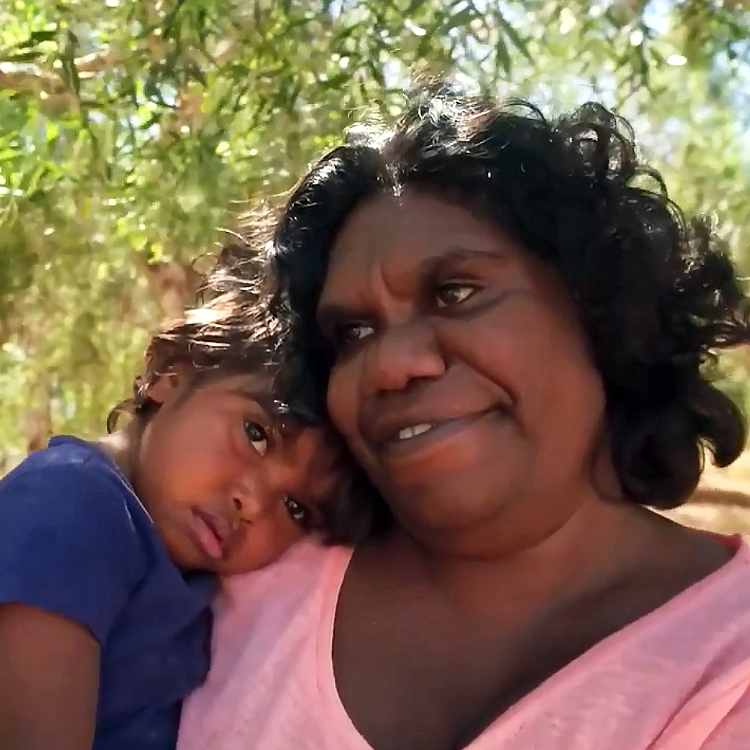
Making FASD History in the Pilbara: celebrating International FASD Awareness Day

To mark International FASD Awareness Day, The Kids will launch a series of health promotion videos that feature local Aboriginal community members.