
Search
CONNECT-CP aims to diagnose cerebral palsy (CP) earlier and ensure all children in Western Australia (WA) have access to early assessment and support.
CP Movetime aims to establish and test a technology-based application to improve health outcomes by monitoring device measured sedentary behaviours in non-ambulant children and youth with cerebral palsy.
The Early Moves study is investigating whether a baby’s early movements can predict learning difficulties later in childhood.
ENVISAGE is a validated evidence-based program of facilitated group workshops for parents and carers of young children, aged 0-8 years, with a newly identified disability or who have concerns regarding their child’s development.
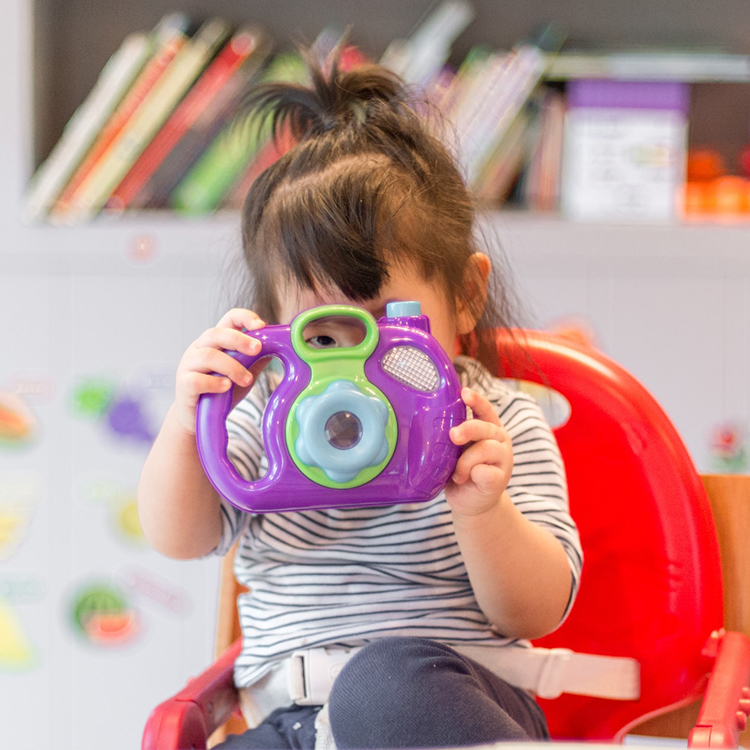
Kids Rehab WA is an integrated team of clinicians and researchers who deliver and research therapies for children with acquired or congenital neurological impairments, leading to improved outcomes for children and their families.
To determine the evidence for functional outcomes experienced by a population with paediatric neurodisability (such as acquired brain injury, cerebral palsy, spinal cord injury, and other neurological disorders), who access music therapy through neurorehabilitation services across the rehabilitation spectrum.
Goal-directed training is an evidence-based occupational therapy intervention for children with cerebral palsy targeting motor performance and goal attainment. There is variability and limited description on goal-directed training delivery within the studies who found it a successful intervention. The aim of this study was to establish the who, what, why and how of goal directed training according to practicing occupational therapists.
Children in out-of-home care participate in less organised sport than children from other household structures, potentially reducing opportunities for improvements in social, developmental, and health outcomes. Despite this, little is known about barriers and facilitators of sport participation for children in care. We aimed to explore carers' perspectives on the influences on children in care's participation and experiences in organised sport.
This study described the rehabilitation services accessed by children with stroke following acute admission to two Australian paediatric tertiary hospitals prior to the implementation of clinical practice guidelines. It also evaluated quality-of-care indicators for inpatient rehabilitation within these two settings.
To describe writhing General Movements Assessment (GMA) classification and General Movement Optimality Score-Revised (GMOS-R) profiles in the general population; to explore relationships between GMOS-R scores and GMA classification, age of assessment and infant socio-demographic factors; and to establish the inter-rater reproducibility of writhing age GMA classification and GMOS-R.