
Search
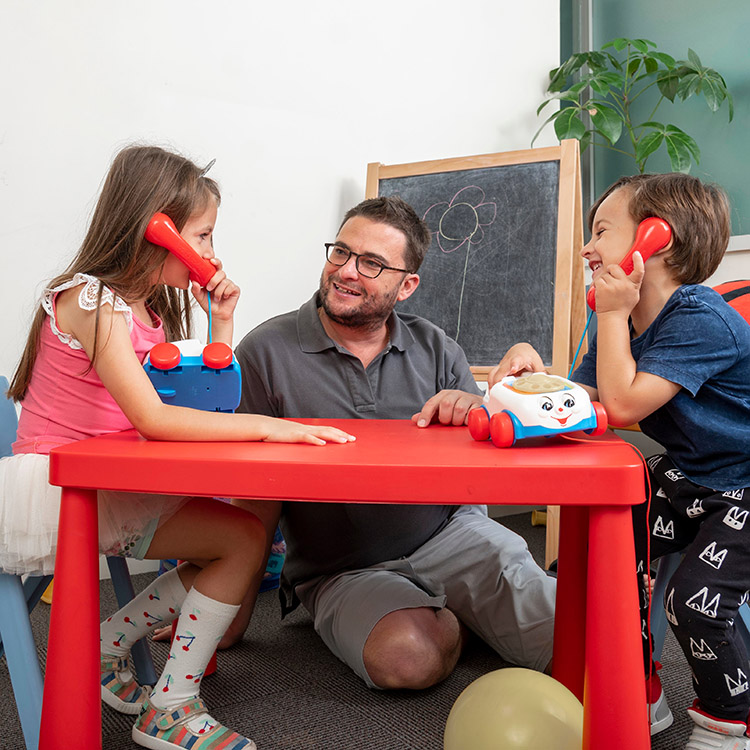
Our team is comprised of well experienced clinicians who can support your child and family.
By fundraising, you’re helping raise awareness and provide funds to support CliniKids and the work we do with autistic children. There are lots of ways to fundraise, online and offline.
Contact us If you have any questions about getting started, please contact our giving team. We're happy to help! +61 8 6319 1333 giving@thekids.org.au

Sign up to the CliniKids Newsletter to receive the latest updates, stories, and invites to community events from CliniKids.
You're now removed from all The Kids Research Institute Australia marketing email lists

Embrace @ The Kids Research Institute Australia is Western Australia’s first research collaboration devoted to the mental health of infants, children and young people ages 0-25.
Led by some of the top mental health researchers in Australia, Embrace brings together a network of researchers and partners to find new ways to help kids at the lowest times in their lives.

Meet the ambassadors for Embrace.
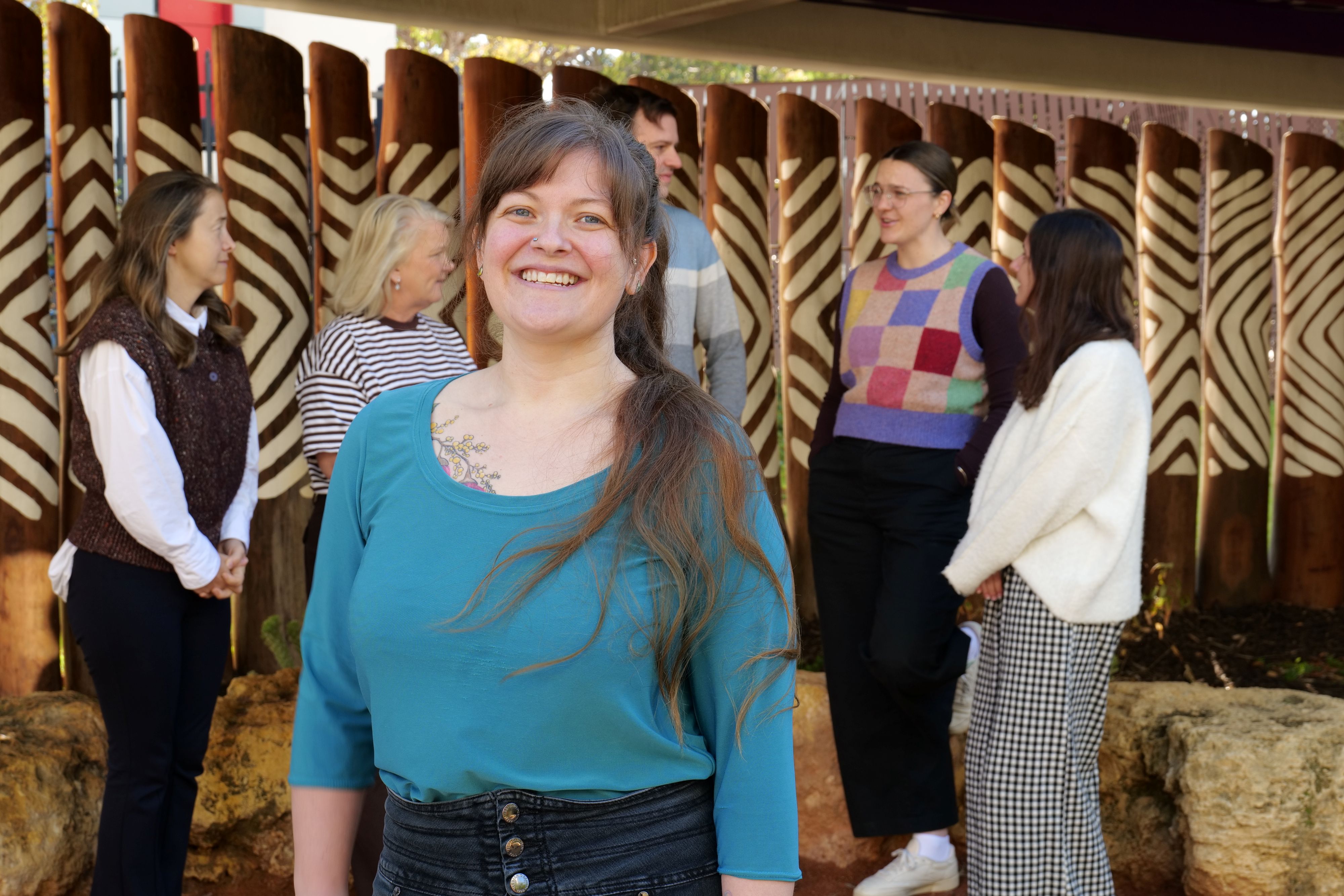
Researchers will map the key moments that shape family decision-making about accessing mental health support for young people.

Interested in a future paid internship opportunity with Embrace? Hear directly from our brilliant 2026 interns about their experience.