
Search
Glue ear is when a child's middle ear fills with sticky fluid behind the ear drum. A common condition, glue ear usually goes undetected, as it's not an obvious condition from the outside.
Occurring in 1% of school-aged children, Tourette syndrome is a neurodevelopmental disorder characterised by uncontrollable movements and vocalisations known as tics.
Meningitis is when the membranes that surround the brain and spinal cord (meninges) become infected by the bacteria Neisseria meningitidis.
Pertussis, also known as whooping cough, is a highly contagious respiratory disease.
Childhood obesity prevalence is increasing globally, with Aboriginal and Torres Strait Islander children over-represented in Australian data. Evidence-based, community healthy lifestyle programs require culturally safe adaptation when implemented in new First Nations contexts, where prioritising access and engagement of First Nations groups is critical.

The Kids researchers are working with Perth Children’s Hospital and other experts across the country to get ahead of a sneaky virus few mums or even health professionals have heard of.
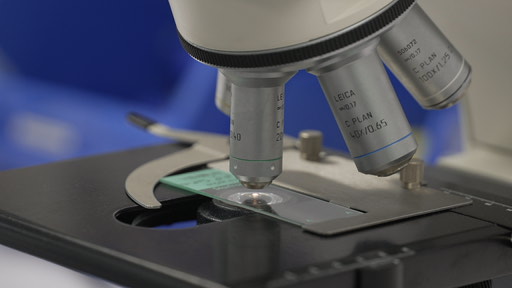
The Kids Research Institute Australia is equipped with a diverse range of histology and microscopy equipment and analysis software to facilitate state-of-the-art imaging.
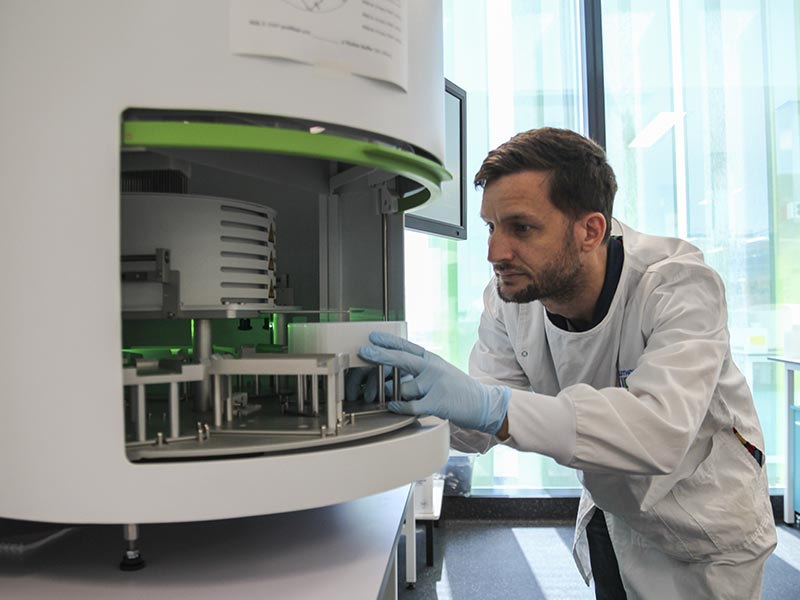
BioSpecs is a flexible service that supports laboratory research by providing expert technical assistance in pre-analytical sample processing and nucleic acid extractions.
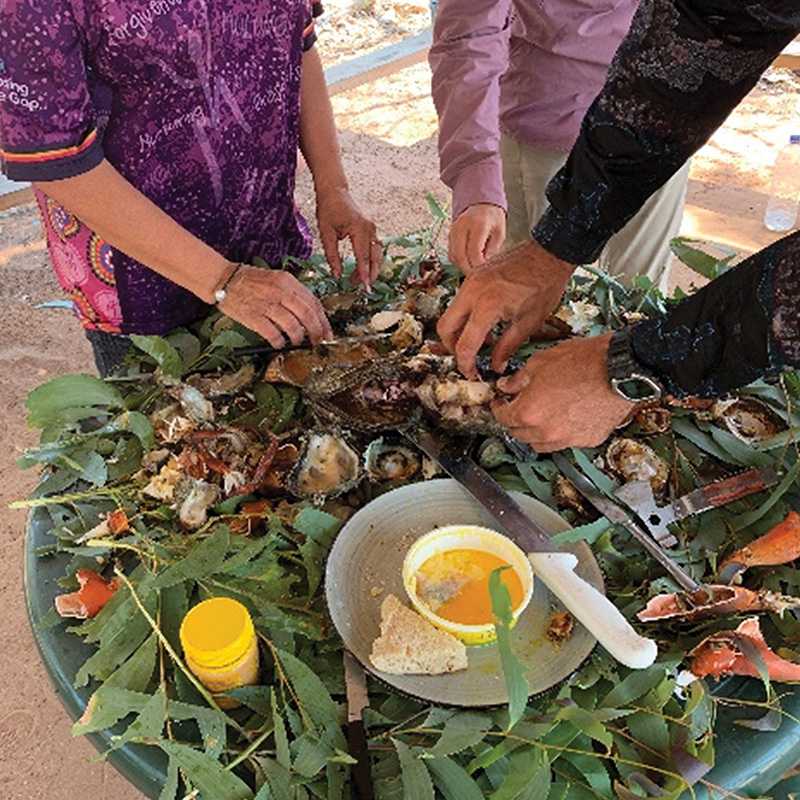
Researchers are collaborating with Community Elders to find out how bush tucker and traditional food can improve the health of Aboriginal children.
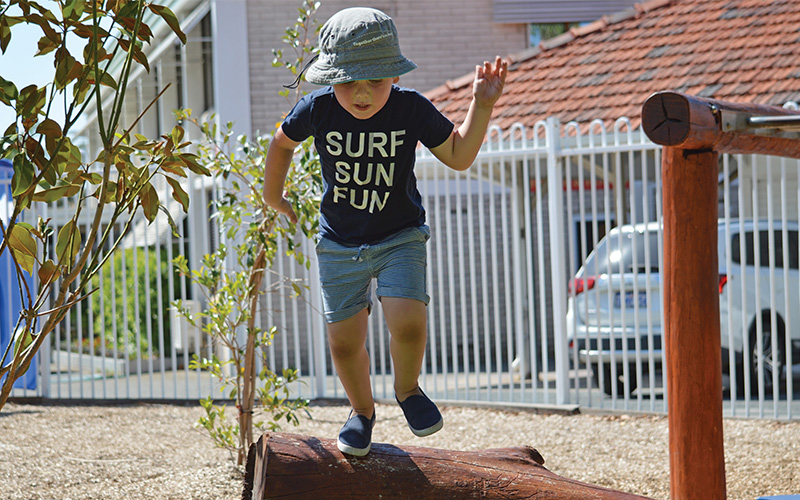
The Kids Research Institute Australia Government Relations Advisor Fiona Roche said the BEACHES project was a great example of how the Institute is increasingly working in partnership with Government