Skip to content

Search

Outcomes to 5 years of outborn versus inborn infants <32 weeks in Western Australia: A cohort study of infants born between 2005 and 2018

We compared mortality and morbidity of inborn versus outborn very preterm infants <32 weeks' gestation in Western Australia (WA) between 2005 and 2018

Cerebral palsy: Epidemiology

Cerebral palsy (CP) is a lifelong physical disability, resulting from maldevelopment or damage to the developing brain. All children with CP have a disorder of movement and posture, but this is often accompanied by disorders of intellect, sensation, behaviour and epilepsy. Long-standing CP registers and surveillance systems estimate the prevalence of CP as approximately 2 per 1000 live births; however variations are seen over time and in different regions of the world.

‘COVID Is Coming, and I’m Bloody Scared’: How Adults with Co-Morbidities’ Threat Perceptions of COVID-19 Shape Their Vaccination Decisions

Australian Aboriginal and/or Torres Strait Islander children in rural/remote areas suffer high rates of persistent otitis media (OM) from early infancy. We aimed to determine the proportion of Aboriginal infants living in an urban area who have OM and investigate associated risk factors.

ASCOT ADAPT study of COVID-19 therapeutics in hospitalised patients: an international multicentre adaptive platform trial

SARS-CoV-2 infection is associated with a significant risk of hospitalisation, death, and prolonged impact on quality of life. Evaluation of new treatment options and optimising therapeutic management of people hospitalised with SARS-CoV-2 infection remains essential, but rapid changes in pandemic conditions and potential therapies have limited the utility of traditional approaches to randomised controlled trials.

Awake and Alert: Examining the Portrayal of Energy Drinks on TikTok

Energy drinks (EDs) are not recommended for minors' consumption due to a myriad of health risks, but marketing initiatives persist. This study explored the promotion of EDs on TikTok, a platform frequented by children and adolescents.

COVID-19 vaccine knowledge, attitudes, and experiences of health care workers in Perth, Western Australia: A qualitative study

Health care workers (HCWs) faced an increased risk of Coronavirus Disease 2019 (COVID-19). Australia’s COVID-19 vaccine rollout commenced in February 2021 to priority groups, including HCWs. Given their increased risk, as well as influence on patients’ vaccine uptake, it was important that HCWs had a positive COVID-19 vaccination experience, as well as trusting the vaccine safety and efficacy data.

Performance of antigen detection for HRP2-based malaria rapid diagnostic tests in community surveys: Tanzania, July–November 2017

Malaria rapid diagnostic tests (RDTs) based on the detection of the Plasmodium falciparum histidine-rich protein 2 (HRP2) antigen are widely used for detection of active infection with this parasite and are the only practical malaria diagnostic test in some endemic settings.

Mapping care provision for type 1 diabetes throughout Australia: a protocol for a mixed-method study

Type 1 diabetes (T1D) is a chronic and incurable autoimmune disease, diagnosed in early childhood and managed initially in paediatric healthcare services. In many countries, including Australia, national audit data suggest that management and care of T1D, and consequently glycaemic control, are consistently poor.

Human Milk Microbiome and Microbiome-Related Products: Potential Modulators of Infant Growth

Infant growth trajectory may influence later-life obesity. Human milk provides a wide range of nutritional and bioactive components that are vital for infant growth. Compared to formula-fed infants, breastfed infants are less likely to develop later-onset obesity, highlighting the potential role of bioactive components present in human milk.

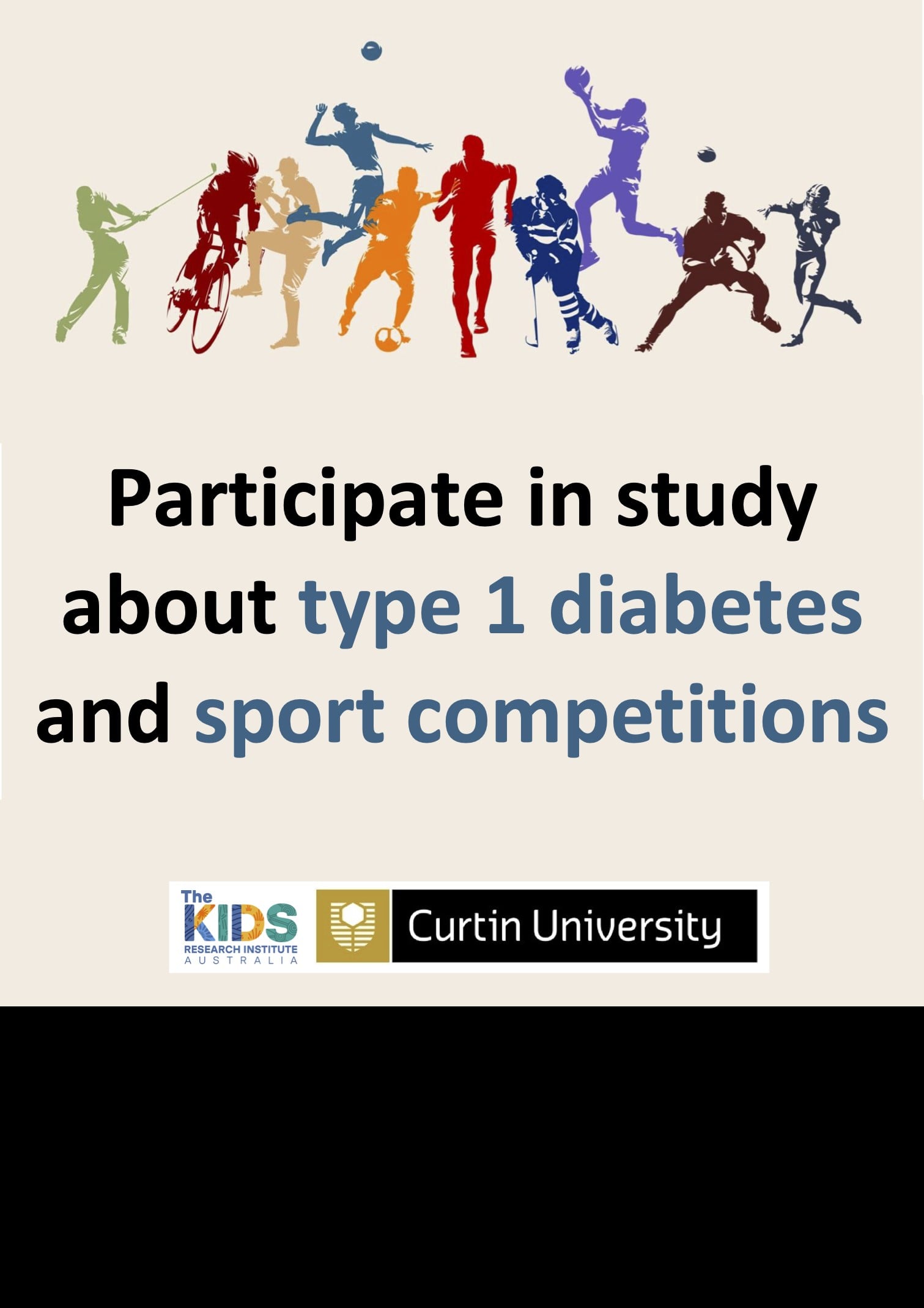
ISPAD Clinical Practice Consensus Guidelines 2022: Exercise in children and adolescents with diabetes

Liz Davis MBBS FRACP PhD Co-director of Children’s Diabetes Centre Co-director of Children’s Diabetes Centre Professor Davis is a paediatric