
Search
Vitamin A has anti-inflammatory and immune-modulating properties. We aimed to assess whether enteral water-soluble vitamin A supplementation in extremely preterm infants decreases fecal calprotectin, a marker of intestinal inflammation.
Nasal epithelial cells from very preterm infants have a functional defect in their ability to repair beyond the first year of life, and failed repair may be associated with antenatal steroid exposure.
The importance of lung recruitment before surfactant administration has been shown in animal studies. Well designed trials in preterm infants are absent. We aimed to examine whether the application of a recruitment manoeuvre just before surfactant administration, followed by rapid extubation (intubate-recruit-surfactant-extubate [IN-REC-SUR-E]), decreased the need for mechanical ventilation during the first 72 h of life compared with no recruitment manoeuvre (ie, intubate-surfactant-extubate [IN-SUR-E]).
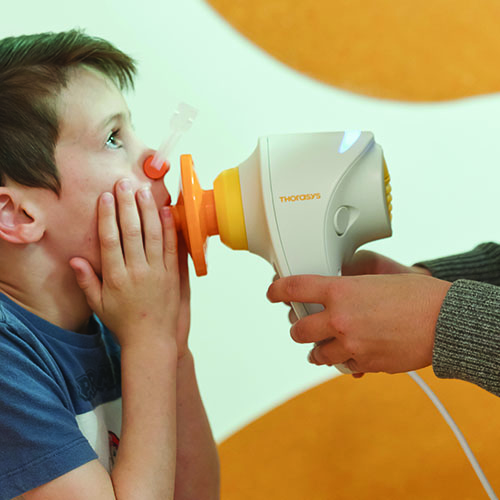
A new study is helping to identify treatment options to improve the lung function of premature babies, after it was determined survivors of preterm birth were at risk of declining lung health.
Preterm birth is associated with lifelong respiratory sequelae, yet our understanding of lung function trajectories across the lifespan remains limited. We aimed to identify patterns of spirometry development from childhood to early adulthood in survivors of very preterm birth using novel data-driven methods.
Many survivors of preterm birth will have abnormal lung development, reduced peak lung function and, potentially, an increased rate of physiological lung function decline, each of which places them at increased risk of chronic obstructive pulmonary disease across the lifespan.
Contemporary models of NICU care emphasize the critical role of parents in supporting their infant's development. Fathers play an important, but underutilized, role throughout their infant's NICU journey. This narrative review describes the main direct and indirect mechanisms through which fathers support the development of their NICU infant, and the barriers and facilitators to this support as described in current research.
Increasingly, preterm-born children are entering adulthood as survival at earlier gestational ages improves. However, there is little understanding of the lived experience in preterm-born adults.
There is no published information on preterm children's activities and participation during middle childhood, a time when growth and development are characterised by increasing motor, reasoning, self-regulation, social and executive functioning skills. This study explored the health, activities and participation of children born very preterm during middle childhood (6-9 years) from the perspectives of their parents.
People born preterm (<37 weeks’ gestation) have lower peak oxygen consumption (peak VO2), a well-established indicator of long-term health outcomes, compared to term-born peers. However, responses to exercise can vary with exercise mode, which has implications for prognostic assessments.