
Search
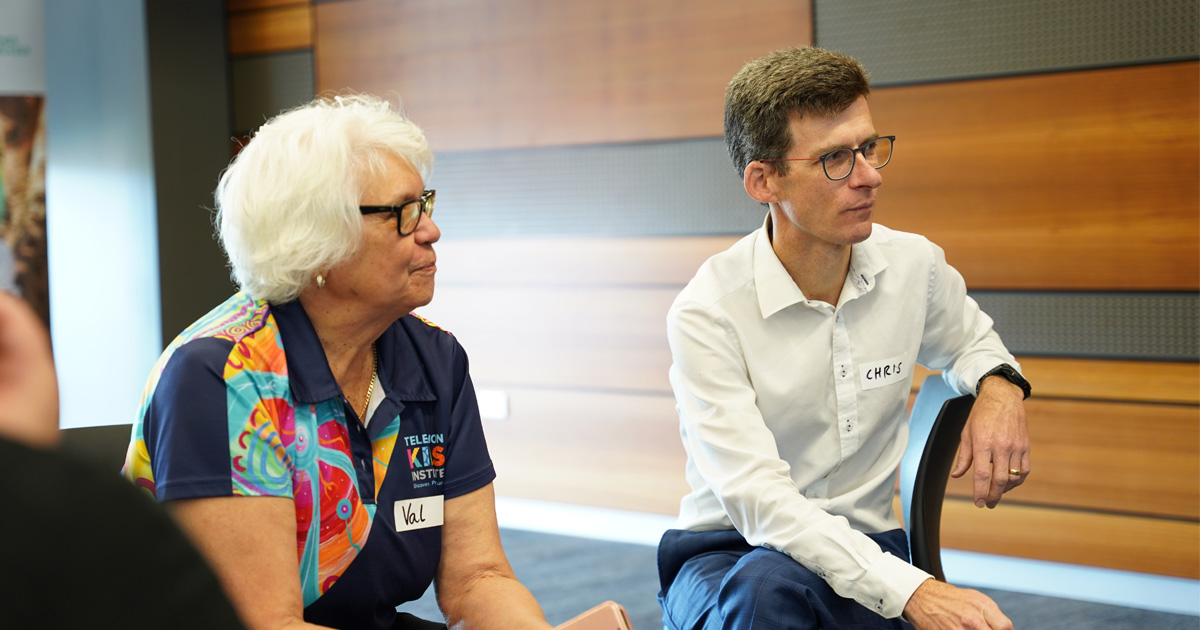
Researchers from the Wesfarmers Centre of Vaccines and Infectious Diseases at The Kids Research Institute Australia have shared their expertise with the community in Cockburn, covering topics ranging from respiratory disease in babies to recurring ear infections in kids.
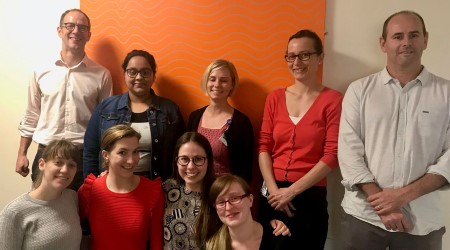
Clinical Professor Tobias Strunk, Dr Andrew Currie and their Neonatal Infection and Immunity Team have become the newest members of the Wesfarmers Centre of Vaccines and Infectious Diseases.
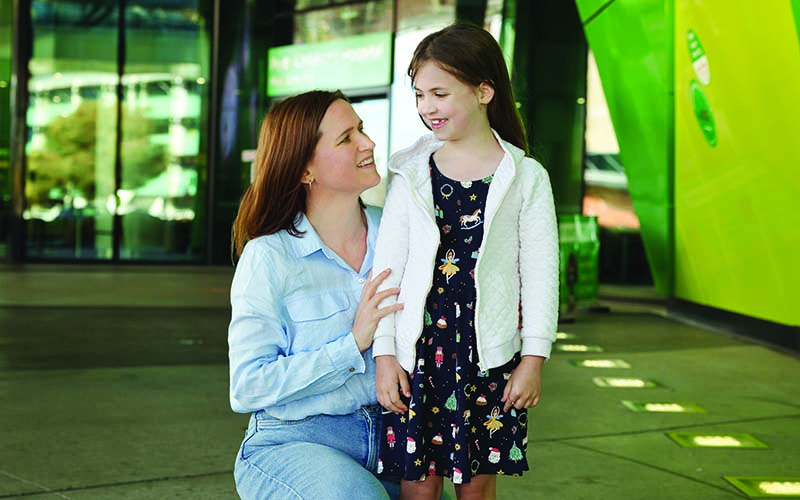
In late 2022, six-year-old Megan Hutton was living the dream of many kids her age as she celebrated being named runner-up champion athlete at her school sports carnival.
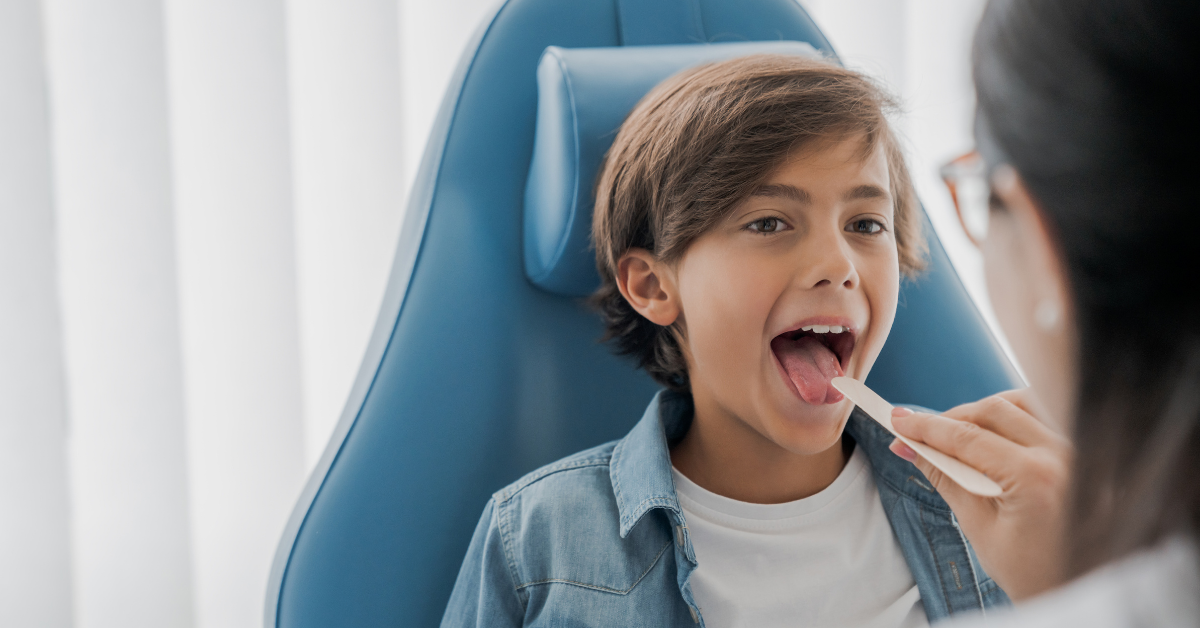
The Institute has become one of the world’s leading Strep A hubs, with multiple teams working in the Institute’s END RHD Program, headed by Associate Professor Asha Bowen, working to understand how Strep A works and find better ways to prevent and control the diseases it causes.
Our skin, the body’s largest organ, protects us and maintains overall health. Untreated recurring skin infections like impetigo and scabies severely impact children. The Kids is at the forefront of combatting skin infections, particularly within remote Aboriginal communities experiencing some of the world’s highest rates.
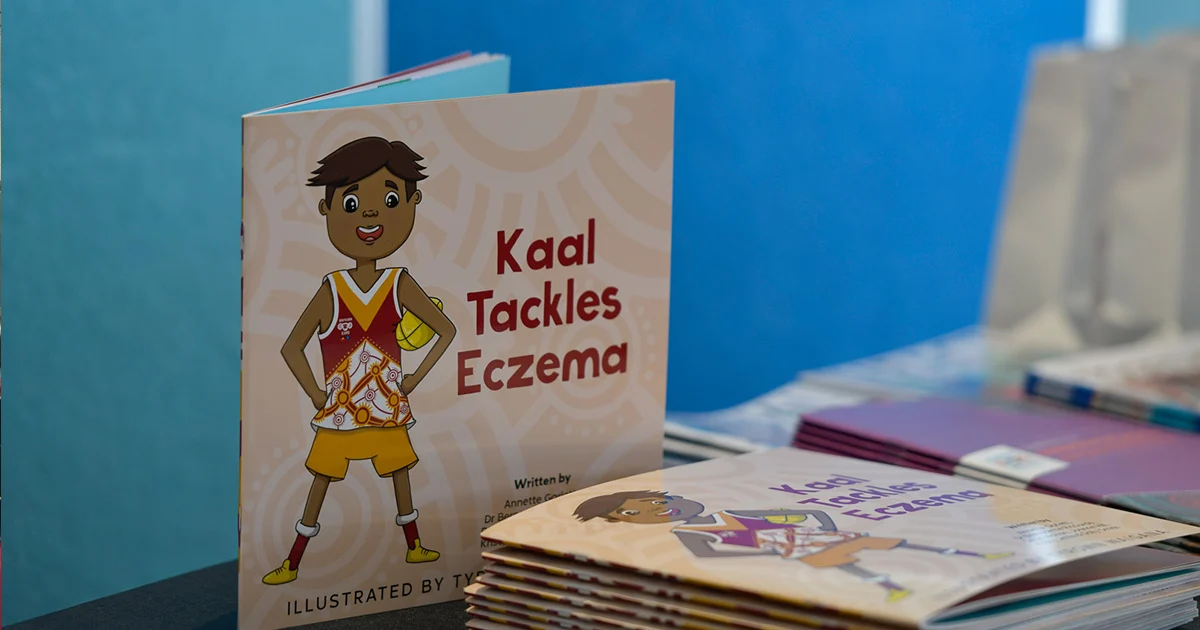
In close partnership with Aboriginal Elders and community members in Western Australia's south-west, we created ‘Kaal Tackles Eczema’, a children’s book to help Aboriginal families manage eczema. Our research showed a high prevalence and need for culturally relevant resources. The book uses Noongar language and art to educate and reduce infections, and is available online and in schools.
More than 3,000 skin checks have been undertaken as part of a large clinical trial in WA’s Kimberley region aimed at halving the burden of skin sores in school-aged Aboriginal children.
Asha Jacinta Bernadette Bowen Walton Ricciardo BA MBBS DCH FRACP PhD GAICD FAHMS OAM MBBS (hon) DCH FACD Head, Healthy Skin and ARF Prevention
Staphylococcus aureus bacteremia (SAB) is the most common cause of childhood sepsis contributing to pediatric intensive care unit admission. The cost of adult SAB hospitalization is well described globally, but limited costing information is available for children. To bridge this knowledge gap, we investigated the cost of hospitalization in children with SAB in Australia.
Remote Aboriginal communities in Australia are located on traditional lands holding deep cultural significance and meaning for residents. However, systemic inequity rooted in colonisation has driven persistent housing and health disparities, with inadequate environmental health conditions within homes and communities a prominent example.