
Search
The availability of COVID-19 vaccines promised a reduction in the severity of disease and relief from the strict public health and social measures (PHSMs) imposed in many countries to limit spread and burden of COVID-19. We were asked to define vaccine coverage thresholds for Australia's transition to easing restrictions and reopening international borders.
This systematic review aimed to summarise existing literature on the impacts of armed conflicts on tuberculosis burden and treatment outcomes.
Current malaria elimination targets must withstand a colossal challenge-resistance to the current gold standard antimalarial drug, namely artemisinin derivatives. If artemisinin resistance significantly expands to Africa or India, cases and malaria-related deaths are set to increase substantially.
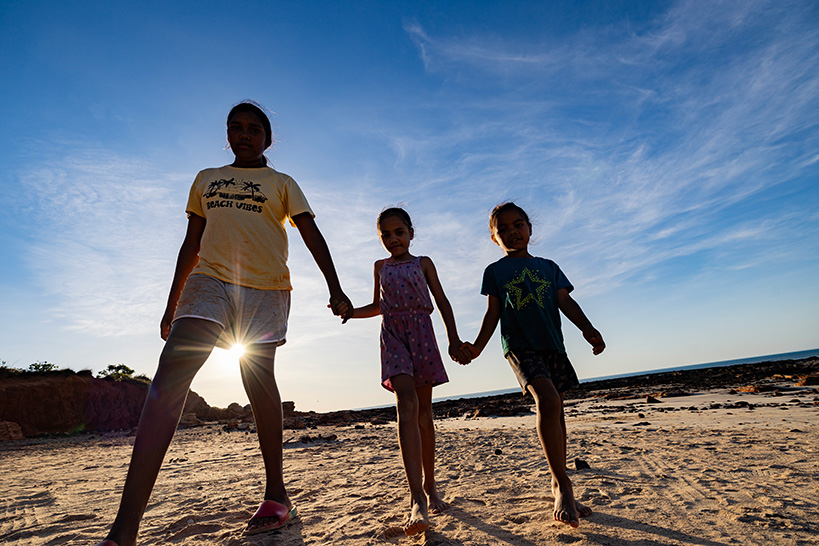
Aboriginal health is everyone's business. The needs of Aboriginal and Torres Strait Islander families and kids is integrated into all relevant areas of our work. Improving the health and wellbeing of Aboriginal and Torres Strait Islander kids and families is an overarching priority for every team at The Kids.
Jonathan Carapetis AM AM MBBS FRACP FAFPHM PhD FAHMS Co-Head, Strep A Translation; Co-Founder of REACH 08 6319 1000 contact@thekids.org.au Head,
The eradication of smallpox is considered one of the greatest achievements of humankind, thanks to vaccination. The widespread availability of childhood vaccines has substantially reduced childhood morbidity and mortality. Devastating infections, such as polio, have almost disappeared due to vaccination. In 2021, it was estimated that vaccination against ten selected pathogens will have averted 69 million deaths between 2000 and 2030. Increases in vaccine coverage and introduction of additional vaccines should reduce lifetime mortality by 72% in the 2019 birth cohort. However, access to vaccines that prevent life-threatening and disabling infectious diseases remains unequal.
Malaria in Lao People's Democratic Republic (Lao PDR) has declined rapidly over the last two decades, from 279,903 to 3926 (99%) cases between 2001 and 2021. Elimination of human malaria is an achievable goal and limited resources need to be targeted at remaining hotspots of transmission.
Plasmodium knowlesi is a zoonotic parasite that causes malaria in humans. The pathogen has a natural host reservoir in certain macaque species and is transmitted to humans via mosquitoes of the Anopheles Leucosphyrus Group. The risk of human P. knowlesi infection varies across Southeast Asia and is dependent upon environmental factors.
Data on Rift Valley fever virus (RVFV) prevalence in urban settings and pastoral areas of Tanzania are scarce. We performed a cross-sectional study of RVFV seroprevalence and determinants in humans and animals from Ilala, Rufiji, and Sengerema districts of Tanzania.
Respiratory syncytial virus (RSV) and influenza are important causes of disease in children and adults. In Australia, information on the burden of RSV in adults is particularly limited.