
Search
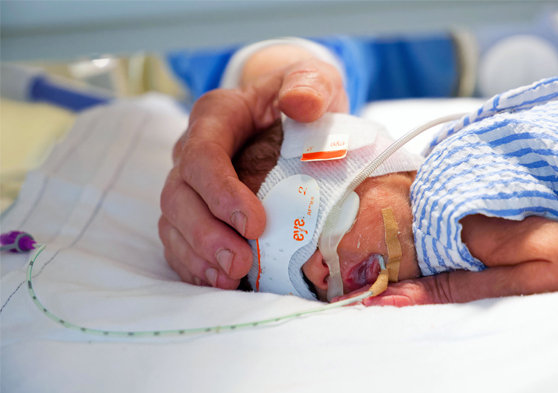
The CIRCA DIEM study aims to establish if cycling environmental light and noise levels for premature infants during their initial hospital stay leads to earlier development of circadian (daily) rhythms and better outcomes for the preterm babies, including improved brain development.
Having a newborn child admitted into a NICU can be highly traumatic for parents. The compounding effects of the NICU clinical environment, having a seriously ill child, in addition to the inability to care or adequately bond with your child can be extremely distressing.
Investigators: Natalie Kippin This research aims to examine the communication abilities of young people sentenced to detention in Western Australia,
Gina Nicole Trapp Hanna BHSc(Hons1A), RPHNutr, PhD BHlthSc (Hons) Honorary Research Associate Program Manager 08 6319 1033 Gina.Trapp@thekids.org.au
Project description This project support the development of 10-year global forecasts of nets, insecticides, diagnostics, and treatments for malaria
Shelley Prue Gorman Hart BSc (Hons) PhD BSc (Hons) MSc PhD Honorary Research Associate Honorary Research Fellow shelley.gorman@thekids.org.au
This project will use computational methods to assess the deposition of e-cigarette aerosols in the lungs, and the distribution of chemicals within e-cigarette aerosols throughout the body.
Raelene Endersby BSc (Hons) PhD Brainchild Fellow; Co-Head, Brain Tumour Research team raelene.endersby@thekids.org.au Co-Head, Brain Tumour Research
Chile has been hard hit by COVID-19, at times reporting around 6500 new cases a day, with many of these located in the capital Santiago.
In Australia, RHD-related death and disability is the leading driver of cardiovascular inequality between Indigenous and non-Indigenous Australians.