
Search
T cell acute lymphoblastic leukemia (T-ALL) is an aggressive hematologic malignancy with inferior outcome compared with that of B cell ALL. Here, we show that Runt-related transcription factor 2 (RUNX2) was upregulated in high-risk T-ALL with KMT2A rearrangements (KMT2A-R) or an immature immunophenotype. In KMT2A-R cells, we identified RUNX2 as a direct target of the KMT2A chimeras, where it reciprocally bound the KMT2A promoter, establishing a regulatory feed-forward mechanism.
Congenital intracranial meningiomas are rare lesions. We present a case of congenital intraventricular cystic meningioma, initially characterized with fetal MRI and confirmed postnatally with histopathology. To our knowledge, this is the first in vivo description of a congenital meningioma with fetal MRI. The fetal MRI was able to characterize the lesion as an atypical intraventricular mass which was separate from the choroid plexus, differentiating the mass from a choroid plexus neoplasm.
Infant acute lymphoblastic leukemia (ALL) is characterized by a high incidence of KMT2A gene rearrangements and poor outcome. We evaluated the value of minimal residual disease (MRD) in infants with KMT2A-rearranged ALL treated within the Interfant-06 protocol, which compared lymphoid-style consolidation (protocol IB) versus myeloid-style consolidation (araC, daunorubicin, etoposide/mitoxantrone, araC, etoposide).
Children with medulloblastoma and ependymoma are treated with a multidisciplinary approach that incorporates surgery, radiotherapy, and chemotherapy; however, overall survival rates for patients with high-risk disease remain unsatisfactory. Data indicate that plant-derived cannabinoids are effective against adult glioblastoma; however, preclinical evidence supporting their use in pediatric brain cancers is lacking. Here we investigated the potential role for Δ9-tetrahydrocannabinol (THC) and cannabidiol (CBD) in medulloblastoma and ependymoma. Dose-dependent cytotoxicity of medulloblastoma and ependymoma cells was induced by THC and CBD in vitro, and a synergistic reduction in viability was observed when both drugs were combined.
Medulloblastoma (MB) consists of four core molecular subgroups with distinct clinical features and prognoses. Treatment consists of surgery, followed by radiotherapy and cytotoxic chemotherapy. Despite this intensive approach, outcome remains dismal for patients with certain subtypes of MB, namely, MYC-amplified Group 3 and TP53-mutated SHH. Using high-throughput assays, six human MB cell lines were screened against a library of 3208 unique compounds. We identified 45 effective compounds from the screen and found that cell cycle checkpoint kinase (CHK1/2) inhibition synergistically enhanced the cytotoxic activity of clinically used chemotherapeutics cyclophosphamide, cisplatin, and gemcitabine.
The Zero Childhood Cancer Program is a precision medicine program to benefit children with poor-outcome, rare, relapsed or refractory cancer. Using tumor and germline whole genome sequencing (WGS) and RNA sequencing (RNAseq) across 252 tumors from high-risk pediatric patients with cancer, we identified 968 reportable molecular aberrations.
PTEN mutation occurs in a variety of aggressive cancers and is associated with poor patient outcomes. Recent studies have linked mutational loss of PTEN to reduced RAD51 expression and function, a key factor involved in the homologous recombination (HR) pathway. However, these studies remain controversial, as they fail to establish a definitive causal link to RAD51 expression that is PTEN-dependent, while other studies have not been able to recapitulate the relationship between the PTEN expression and the RAD51/HR function.
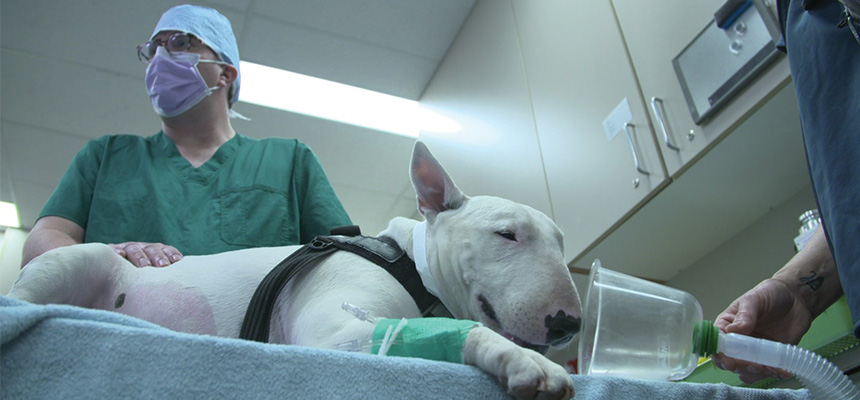
Associate Professor Lesterhuis said the gel, developed with the help of chemists at The University of Western Australia, could revolutionise the way solid tumours were treated.
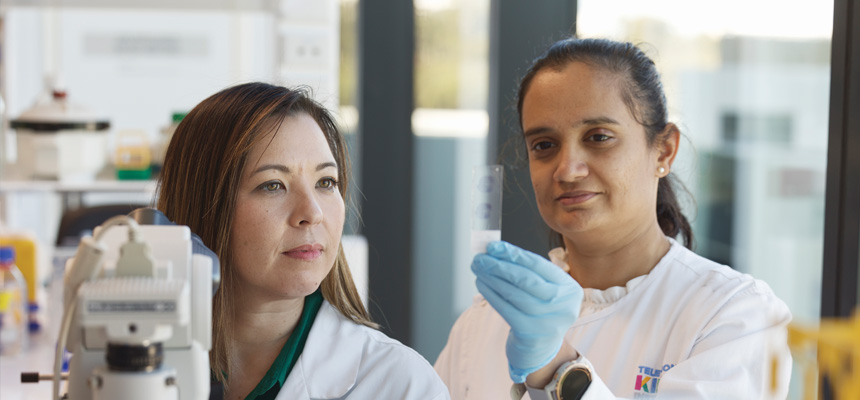
The WA Kids Cancer Centre has a suite of world-leading research projects to unlock new treatments for childhood cancers.
Dysphagia, one of the most common complications in head and neck cancer (HNC) treated with radiotherapy, can severely affect patients’ quality of life. Currently, because no “gold standard” treatment exists, swallowing exercise remains the main rehabilitation strategy for dysphagia. However, patients’ compliance with long-term swallowing exercise is only 40%, thus, greatly compromising outcomes. This article aims to analyze thefactors influencing swallowing exercise compliance in patients with HNC and explains strategies developed to date for improved rehabilitation outcomes.