
Search
In this scoping review, we explore the concept of human thriving in work populations that are repeatedly exposed to high stress, elevated threat, and potential trauma-professions such as first responders and front-line military personnel. The concept of thriving, defined as the joint experience of development and success, shares some similarities with other psychological concepts (e.g., resilience, posttraumatic growth, flourishing), but is distinct due to the consideration of physical wellbeing, and success (e.g., performance).
People living with severe mental illness have a reduced life expectancy when compared to the general population largely due to physical health comorbidities. Exercise is a valuable, evidence-based component of mental healthcare, with positive effects on physical health, mental health, and quality of life.
With an increasing number of grandparents providing care to their grandchildren, calls have been made for these caregivers to be considered important stakeholders in encouraging children's engagement in health-promoting behaviors, such as physical activity.
Natural outdoor environments provide important settings for children to engage in physical activity. It is unclear if these relationships also exist in preschool aged children. We examined associations between amount and type of neighbourhood vegetation and blue space, proximity to the beach and preschooler's device-measured movement behaviours.
Behavior change techniques (BCTs) have been extensively used in physical activity interventions for children, however, no systematic reviews have synthesized their effects.
Adaptations for scale-up are ubiquitous but are rarely described in detail. Adaptations may be a key reason for the "scale-up penalty" which is when there is a reduction in intervention effect size following scale-up. The Play Active intervention consists of a physical activity policy for early childhood education and care (ECEC) services, with accompanying implementation support strategies.
Knowledge of developmental trends in meeting age-specific 24-hour movement behaviour guidelines is lacking. This study describes developmental trends in device-measured physical activity and sedentary time over a three-year period among Western Australian children aged two to seven years, including differences between boys and girls.
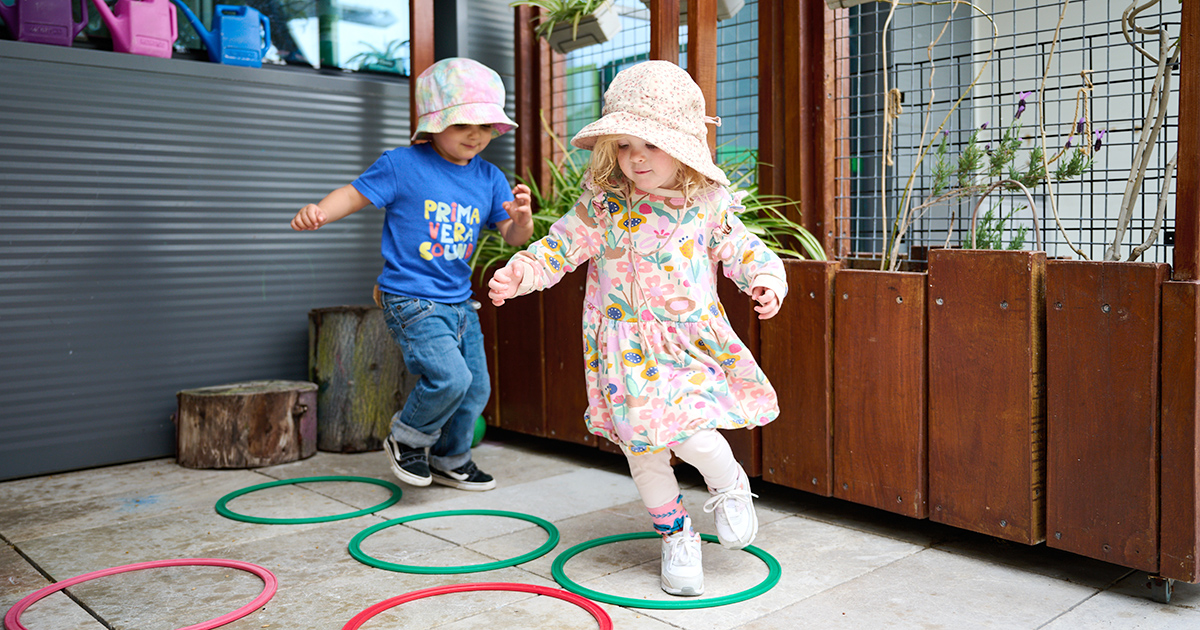
Did you know our research shows that less than 20 per cent of young Australian children get enough energetic play each day? Many children are spending more time sitting still or on screens, and not enough time moving, exploring and playing, which is fundamental to their healthy development.
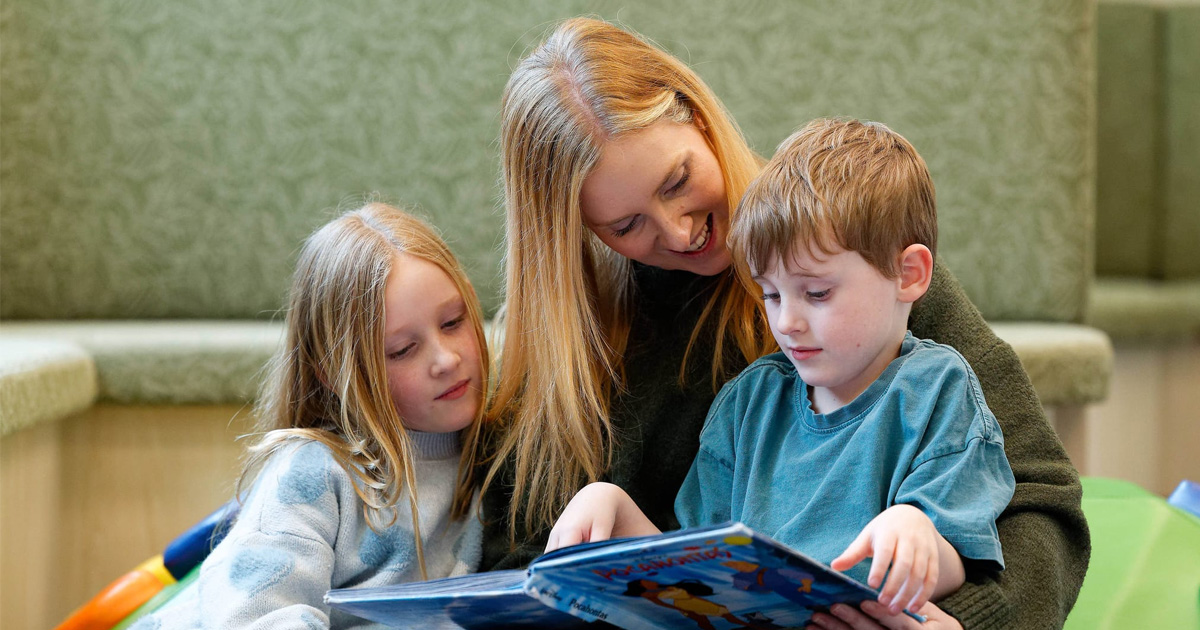
Walk through the jungle, hunt for the bear, or do the animal bop this Book Week! Acting out stories is a wonderful way to encourage active play with your child.
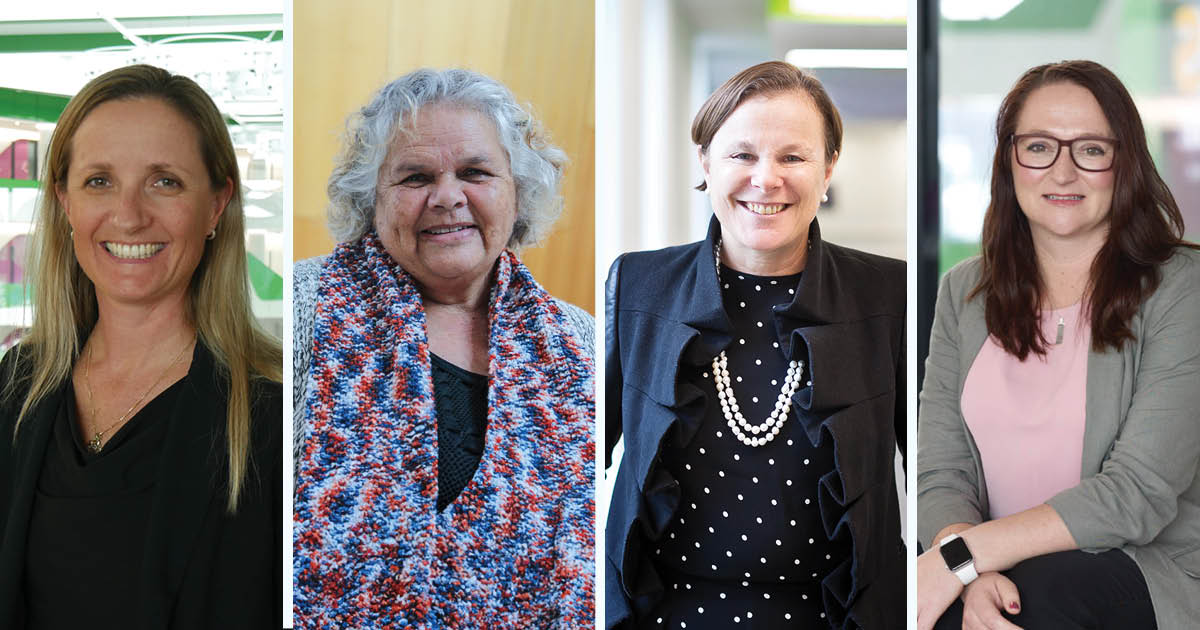
Four outstanding members of The Kids Research Institute Australia family – three researchers and an Aboriginal Elder co-researcher – have been named in the Australia Day Honours List for their outstanding service to research and the community.