
Search
Chemotherapy is included in treatment regimens for many solid cancers, but when administered as a single agent it is rarely curative. The addition of immune checkpoint therapy to standard chemotherapy regimens has improved response rates and increased survival in some cancers. However, most patients do not respond to treatment and immune checkpoint therapy can cause severe side effects. Therefore, there is a need for alternative immunomodulatory drugs that enhance chemotherapy.
Onco-fetal reprogramming of the tumor ecosystem induces fetal developmental signatures in the tumor microenvironment, leading to immunosuppressive features. Here, we employed single-cell RNA sequencing, spatial transcriptomics and bulk RNA sequencing to delineate specific cell subsets involved in hepatocellular carcinoma relapse and response to immunotherapy.
Invasive pulmonary aspergillosis remains a major cause of morbidity and mortality for immunocompromised children, particularly for patients with acute leukaemia and those undergoing haematopoietic stem cell transplantation. Timely diagnosis, using a combination of computed tomography (CT) imaging and microbiological testing, is key to improve prognosis, yet there are inherent challenges in this process. For CT imaging, changes in children are generally less specific than those reported in adults and recent data are limited.
Diffuse midline gliomas (DMG), including diffuse intrinsic pontine gliomas (DIPG), are the most lethal of childhood cancers. Palliative radiotherapy is the only established treatment, with median patient survival of 9 to 11 months. ONC201 is a DRD2 antagonist and ClpP agonist that has shown preclinical and emerging clinical efficacy in DMG.
ZFTA-RELA (formerly known as c11orf-RELA) fused supratentorial ependymoma has been recognized as a novel entity in the 2016 WHO classification of CNS tumors and further defined in the recent 2021 edition.
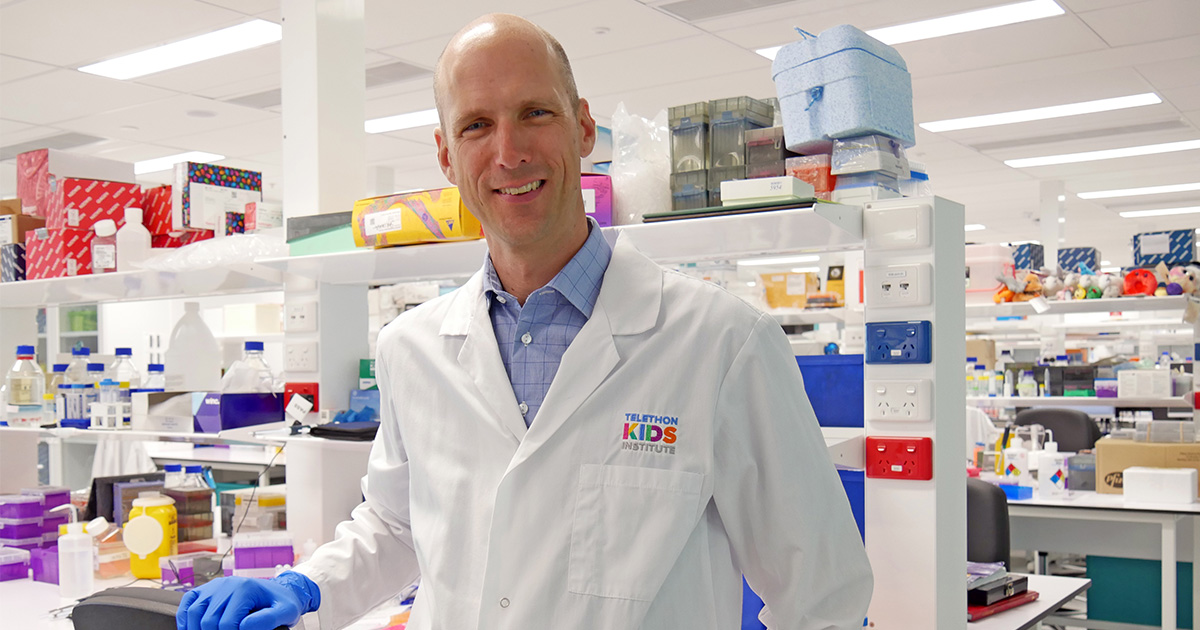
Researchers dedicated to developing the first cancer immunotherapy tablet have been boosted by a $374,000 CUREator top-up funding grant.
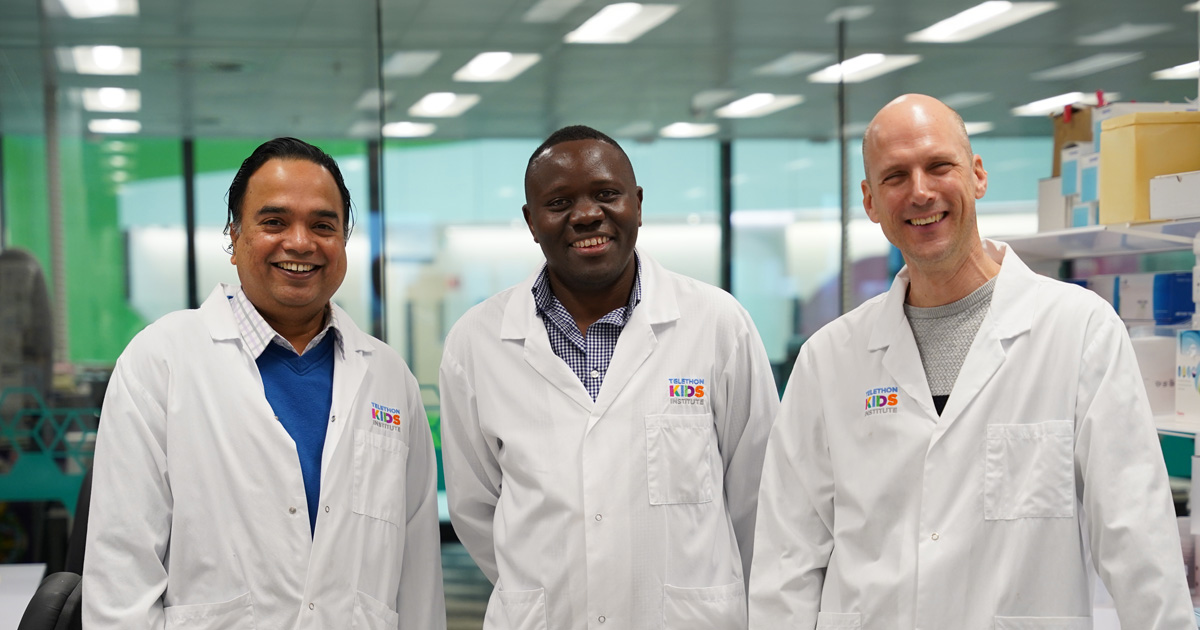
Newly published research from The Kids Research Institute Australia and The University of Western Australia has found a gel applied during surgery to treat sarcoma tumours is both safe and highly effective at preventing the cancer from growing back.
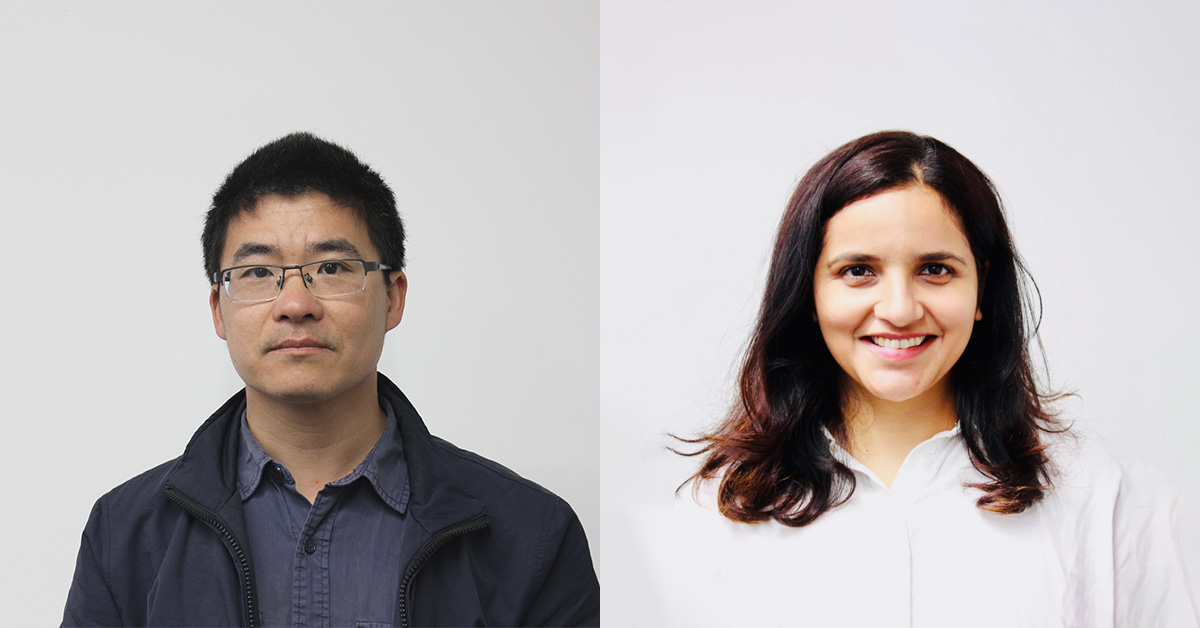
Two The Kids Research Institute Australia researchers have been awarded prestigious grants from the Raine Medical Research Foundation for projects in childhood cancer and newborn infection control.

The generous support of West Australians through Channel 7’s Telethon Trust will help support crucial child health research at The Kids Research Institute Australia in 2022.
Cancer researchers have narrowed-down the field of immunotherapy drugs which could be used to tackle a form of childhood brain cancer.