
Search

News & Events
Recruitment for AdDIT now completeYoung people diagnosed with Type 1 Diabetes are at risk of complications from their diabetes including kidney, heart, eye and vascular disease.

News & Events
WA teenager with type 1 diabetes on a mission to become a pro-cyclistA wiry tall teenager, who was struggling somewhat with his blood glucose control, he turned up on his trusty bike, and we had something in common to talk about.
Research
Using syringe infusion pumps Springfusors for the administration of intravenous antibiotics for children with CF at PCH (SIPS-CF)André Schultz MBChB, PhD, FRACP Head, BREATH Team Head, BREATH Team Prof André Schultz is the Head, BREATH Team at The Kids Research Institute
Research
WA Register for Autism Spectrum DisordersThe aim of the WA Register for Autism Spectrum Disorders is to monitor diagnostic trends of Autism Spectrum Disorders. These disorders develop in
Research
Wellcome Active Ingredients: Parenting ReviewThe aim of the current project is to explore view of youth with lived experiences and their caregiver on the role of parent/caregivers and family in the prevention and treatment of anxiety and depression in adolescents in low- and middle- income countries.
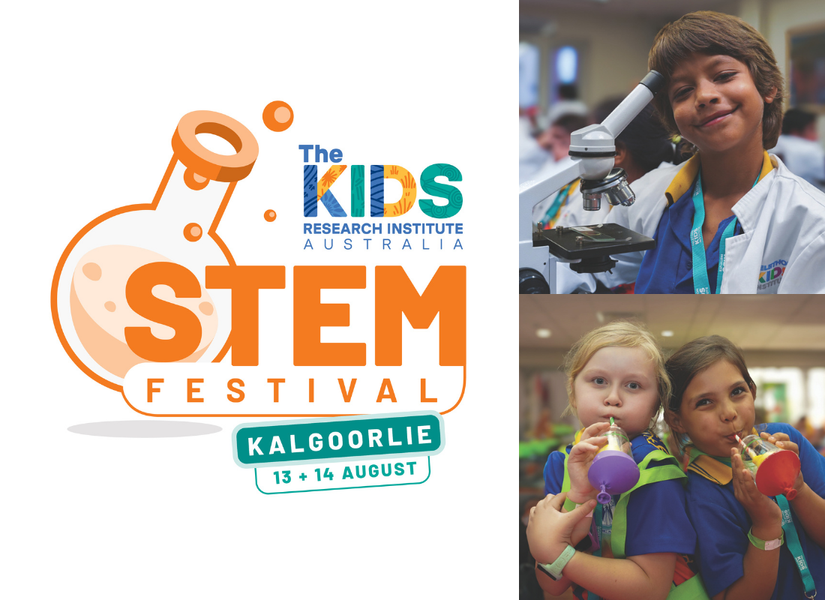
Register now and experience an awesome adventure into the world of Science, Technology, Engineering and Mathematics this August!
Embark on a linguistic journey with KalyaKoorl’s tailor-made Noongar Language Programs.
We developed recommendations to assess and manage issues relating to poor growth and weight gain in Rett syndrome, including consideration of gastrostomy.
We investigated our data from family questionnaires to see how feeding difficulties related to age, the type of MECP2 mutation, and the use of gastrostomy.