
Skip to content

Search

Substance use among trans and gender diverse young people in Australia: Patterns, correlates and motivations

There is a dire paucity of research into the burden, correlates and motives of substance use among trans young people in Australia.

Trans Young People’s Experiences of Nonsuicidal Self-Injury

Nonsuicidal self-injury (NSSI) is particularly common among trans young people. Trans young people tend to experience high levels of emotional distress due to the unique stressors they face, and often use NSSI as an emotion regulation strategy. These stressors include gender dysphoria, body image concerns, and transphobic experiences.

Contextualising Experiences of Co-Occurring Mental Ill-Health and Substance Use Among Trans, Non-Binary, and Gender Diverse Young People: Implications for Tailored Harm Reduction Approaches

Though significant research highlights higher rates of mental ill-health and substance use among trans, non-binary and gender diverse (henceforth 'trans') young people, little research has considered patterns, contextual characteristics, and correlates of co-occurring experiences of mental ill-health and substance use among trans young people. 

Retrospective Examination of Peripubertal Return for Patients of Western Australia's Gender Diversity Service

Children far in advance of pubertal development may be deferred from further assessment for gender-affirming medical treatment until nearer puberty. It is vital that returning peripubertal patients are seen promptly to ensure time-sensitive assessment and provision of puberty suppression treatment where appropriate.

Parental Experiences of Supporting the Mental Health of Their LGBTQA+ Child

Young people who are lesbian, gay, bisexual, trans, queer or questioning, asexual and other diverse genders and sexualities (LGBTQA+) are at greater risk of adverse mental health outcomes and suicide, with additional barriers to accessing safe and affirming physical and mental health services in comparison to the general population.

Rates and types of hospitalisations for children who have subsequent contact with the child protection system

To determine whether children who have child maltreatment allegation or substantiation have a higher rate of general hospital admissions and injury related admi
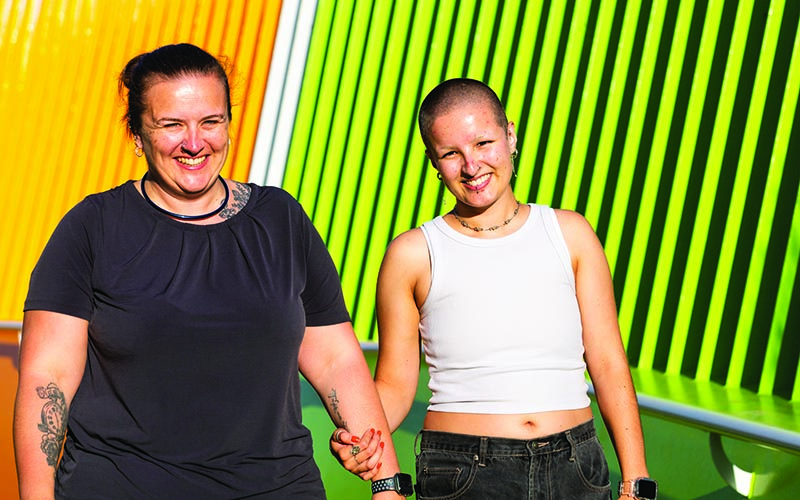
Conceptualising Wellbeing for Australian Aboriginal LGBTQA+ Young People

It is likely that young people who are both Aboriginal and Torres Strait Islander and LGBTQA+ would be at increased risk for poor mental health outcomes due to the layered impacts of discrimination they experience; however, there is very little empirical evidence focused on the mental health and wellbeing of Aboriginal and Torres Strait Islander LGBTQA+ young people. The current study represents a qualitative exploration of wellbeing among Aboriginal LGBTQA+ young people. 

Gender-Neutral Toilets: A Qualitative Exploration of Inclusive School Environments for Sexuality and Gender Diverse Youth in Western Australia

School toilets have been identified by sexuality and gender diverse (SGD) students as the least safe spaces in educational institutions. They are sites of verbal, physical and sexual victimisation.

Computerized cognitive behavioural therapy for gender minority adolescents: Analysis of the real-world implementation of SPARX in New Zealand

SPARX is a form of computerized cognitive behavioural therapy in serious game format funded via the Ministry of Health to be freely available in New Zealand. At registration users identify themselves as male, female, transgender or intersex. We aimed to establish whether adolescent transgender users of SPARX, compared to adolescent male and female users, were more likely to have high mental health needs at baseline and were more likely to complete SPARX. We also sought to determine changes in transgender adolescents' depressive symptoms after using SPARX.

Mental health difficulties among trans and gender diverse young people with an autism spectrum disorder (ASD): Findings from Trans Pathways

Recent research highlights an overlap of gender diversity and autism spectrum disorders (ASD); however, data on individuals who are trans and also on the autism spectrum are largely from clinical samples and may not be representative of individuals who are trans with ASD in the general population. In addition, there is scant literature on the mental health of these individuals and their experiences in accessing gender-affirming care.