
Search
Aboriginal and Torres Strait Islander (Aboriginal) people are overrepresented in Australian prisons, where they experience complex health needs. A model of care was designed to respond to the broad needs of the Aboriginal prisoner population within the nine adult prisons across South Australia. The purpose of this paper is to describe the methods and findings of the Model of Care for Aboriginal and Torres Strait Islander Prisoner Health and Wellbeing for South Australia.
Most estimates of stroke incidence among Aboriginal and Torres Strait Islander (hereinafter Aboriginal) Australians are confined to single regions and include small sample sizes. We aimed to measure and compare stroke incidence in Aboriginal and non-Aboriginal residents across central and western Australia.
Cells undergo a major epigenome reconfiguration when reprogrammed to human induced pluripotent stem cells (hiPS cells). However, the epigenomes of hiPS cells and human embryonic stem (hES) cells differ significantly, which affects hiPS cell function. These differences include epigenetic memory and aberrations that emerge during reprogramming, for which the mechanisms remain unknown.
In-utero hyperglycemia exposure influences later cardiometabolic risk, although few studies include women with pre-existing type 2 diabetes (T2D) or assess maternal body mass index (BMI) as a potential confounder.
Diabetic nephropathy, vision loss and diabetic retinopathy are frequent comorbidities among individuals with type 2 diabetes (T2D). The Retinopathy in People Currently On Renal Dialysis study sought to examine the epidemiology and risk of vision impairment and among a cohort of Indigenous and non-Indigenous Australians with T2D currently receiving haemodialysis for end-stage renal failure.
Organ transplantation is a well-established intervention but is reliant on the donation of organs and tissues, mostly from deceased donors. The proportion of Australians proceeding to organ donation (OD) has increased, but the proportion of Indigenous Australians proceeding remains two-thirds that of non-Indigenous Australians. We sought to explore perceived barriers and enablers for the involvement of Indigenous peoples in the OD process.
Globally, Indigenous people have a greater incidence and earlier onset of diabetes than the general population and have higher documented rates of emotional distress and mental illness. This systematic review will provide a synthesis and critical appraisal of the evidence focused on the social and emotional well-being of Indigenous peoples living with diabetes, including prevalence, impact, moderators, and the efficacy of interventions.
Glenn Martyn Pearson Symons BA (Education) PhD Candidate B.A. (Hons) PhD. Director of First Nations Strategy and Leadership; Head, First Nations
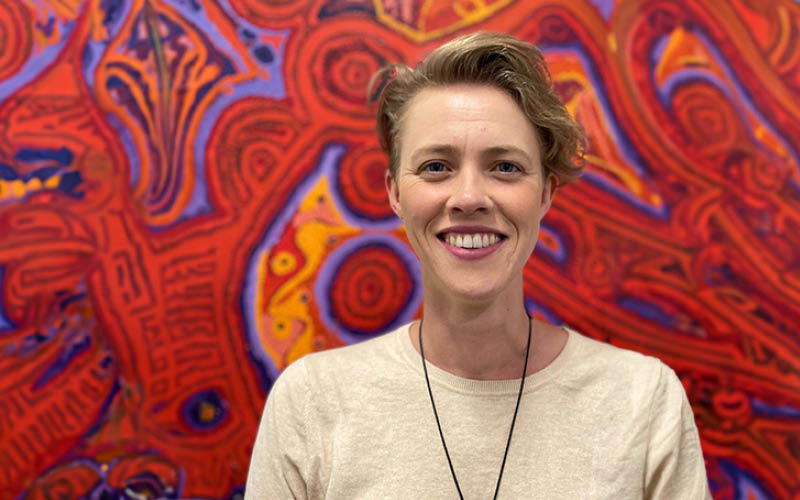
Researchers will work with Aboriginal & Torres Strait Islander women in SA to devise better ways to care for women at risk of pregnancy complications caused by diabetes and cardiovascular disease.

A large-scale study of the epigenetic landscape of Indigenous Australians could help tackle chronic diseases faced by Aboriginal and Torres Strait Islander people.