
Search
News & Events
School holiday workshops at ScitechEverything you need to know to book tickets to our upcoming school holiday workshops in April held at Scitech!
Strengthening the capacity of Aboriginal children, families and communities
Research
KAMS MOUAs part of the discussions with Kimberley Aboriginal Medical Service (KAMS) to establish the Broome site of the WAAHKN it has been agreed to establish...
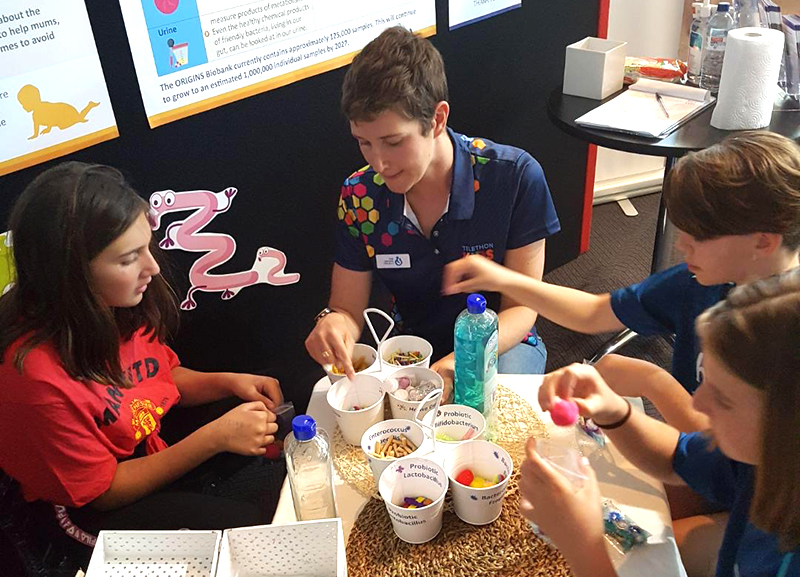
Make your very own unique microbiome using a range of textured items designed to be squeezed and squished.

Not all children or teenagers identify with the gender they were presumed at birth. As a result, some may choose to change their name, their clothes or their body and live as a different gender. Some may choose to obtain specialised medical treatment.
One way the Wal-yan Respiratory Research Centre provides the opportunity for consumers and community members to contribute to our research is through participation in one of our eight community reference groups.
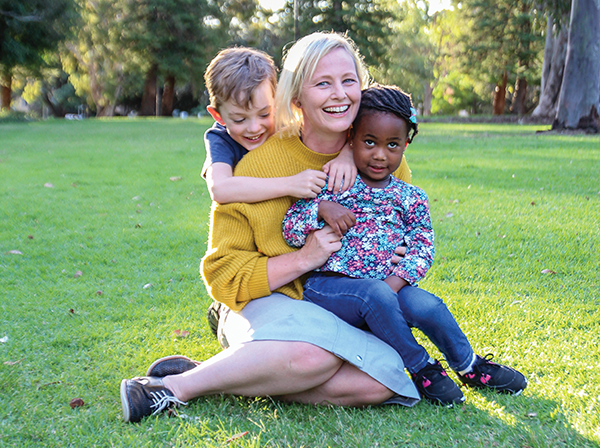
Each year, 11% (15 million) of the world’s babies are delivered before 37 weeks’ gestation.
Focusing on the developmental trajectories of respiratory health includes developing strategies to improve and support immune system function and development over the life course.
News & Events
Fellowship to support research into ways to improve the lung health of people born pretermWal-yan Respiratory Research Centre researcher Ms Denby Evans has been awarded one of four inaugural fellowships supported by the State's Future Health Research and Innovation (FHRI) Fund and Brightspark Foundation, enabling her to further her research into ways to improve the lung health of people

Rhinovirus infection drives complex host airway molecular responses in children with cystic fibrosis TEarly-life viral infections are responsible for