
Search
Antimicrobial resistance due to extended-spectrum β-lactamase (ESBL) production by Enterobacterales is a global health problem contributing to increased morbidity and mortality, particu-larly in resource-constrained countries. We aimed to determine the prevalence of extended-spectrum β-lactamase-producing Enterobacterales (ESBL-E) in community patients in Blantyre, Malawi.
Due to global climate change–induced shifts in species distributions, estimating changes in community composition through the use of Species Distribution Models has become a key management tool. Being able to determine how species associations change along environmental gradients is likely to be pivotal in exploring the magnitude of future changes in species’ distributions.
Severe dengue is a life-threatening complication; rapid identification of these cases, followed by adequate management is crucial to improve the clinical prognosis. Therefore, this study aimed to identify risk factors and predictors of severe dengue.
Pneumonia is one of the top 10 diseases by morbidity in Bhutan. This study aimed to investigate the spatial and temporal trends and risk factors of childhood pneumonia in Bhutan.
Increased severity of neurological soft signs (NSS) in schizophrenia have been associated with abnormal brain morphology in cerebello-thalamo-cortical structures, but it is unclear whether similar structures underlie NSS prior to the onset of psychosis. The present study investigated the relationship between severity of NSS and grey matter volume in individuals at ultra-high risk for psychosis stratified for later conversion to psychosis.
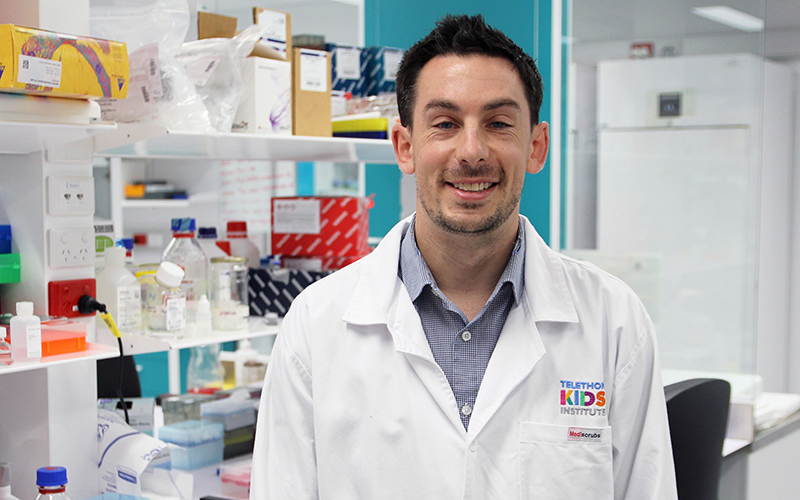
Cancer Council WA has awarded a Post-Doctoral Fellowship to Dr Ben Wylie, for his project to help kids with sarcoma.
People with a disability may spend more time sitting and lying (“downtime”) and less time standing and walking (“uptime”). Caregivers and therapists supporting individuals with Rett syndrome were surveyed, aiming to gather insights on how to support participation in “uptime” activities.
Excess mortality is an important measure of the scale of the coronavirus-2019 pandemic. It includes both deaths caused directly by the pandemic, and deaths caused by the unintended consequences of containment such as delays to accessing care or postponements of healthcare provision in the population. In 2020 and 2021, in England, multiple groups have produced measures of excess mortality during the pandemic.
The epidemiology and clinical manifestations of severe acute respiratory syndrome coronavirus 2 (SARS-CoV-2) infection are different in children and adolescents compared with adults. Although coronavirus disease 2019 (COVID-19) appears to be less common in children, with milder disease overall, severe complications may occur, including paediatric inflammatory multisystem syndrome.
To determine parental understanding of directions on common pediatric prescription pharmacy labels and to identify enablers and barriers that affect interpretation of these labels.