
Search
Aboriginal children hospitalised with acute lower respiratory infections (ALRIs) are at-risk of developing bronchiectasis, which can progress from untreated protracted bacterial bronchitis, often evidenced by a chronic (>4 weeks) wet cough following discharge. We aimed to facilitate follow-up for Aboriginal children hospitalised with ALRIs to provide optimal management and improve their respiratory health outcomes.
Cystic fibrosis (CF) is a rare, inherited, life-limiting condition predominantly affecting the lungs, for which there is no cure. The disease is characterized by recurrent pulmonary exacerbations (PEx), which are thought to drive progressive lung damage. Management of these episodes is complex and generally involves multiple interventions targeting different aspects of disease. The emergence of innovative trials and use of Bayesian statistical methods has created renewed opportunities for studying heterogeneous populations in rare diseases.
Addressing the recognized challenges and inequalities in providing high quality healthcare for rare diseases such as children's interstitial lung disease (chILD) requires collaboration across institutional, geographical, discipline, and system boundaries. The Children's Interstitial Lung Disease Respiratory Network of Australia and New Zealand (chILDRANZ) is an example of a clinical network that brings together multidisciplinary health professionals for collaboration, peer learning, and advocacy with the goal of improving the diagnosis and management of this group of rare and ultra-rare conditions.
This position statement, updated from the 2015 guidelines for managing Australian and New Zealand children/adolescents and adults with chronic suppurative lung disease (CSLD) and bronchiectasis, resulted from systematic literature searches by a multi-disciplinary team that included consumers.
Lung abscess is a rare condition in paediatrics with a paucity of literature. Intravenous antibiotics is the main therapy; however interventional radiological approaches have led to the use of percutaneous drainage. Surgery is reserved for the management of complications.
Diagnosis of chronic disease in a child can result in unresolved grief (UG) in parents. This study aimed to evaluate the efficacy of psychological insight-oriented therapy (IOT) as a treatment for UG compared to disease related education in parents of children with cystic fibrosis. Sequence of delivery, first IOT then disease related education (or vice versa) was also examined, to let all participants experience both interventions.
Treatment for pulmonary exacerbations of cystic fibrosis (CF) can produce a range of positive and negative outcomes. Understanding which of these outcomes are achievable and desirable to people affected by disease is critical to agreeing to goals of therapy and determining endpoints for trials.
To explore the perspectives of family members of Aboriginal children about a) their involvement in recognising clinical deterioration in a hospital setting and b) the effectiveness of a poster designed to promote family involvement.
Establishing the underlying cause in a child with chronic suppurative lung disease (CSLD) allows for targeted treatment and screening for associated complications. One cause of CSLD is primary ciliary dyskinesia (PCD). Testing for PCD requires specialist expertise which is not widely available.
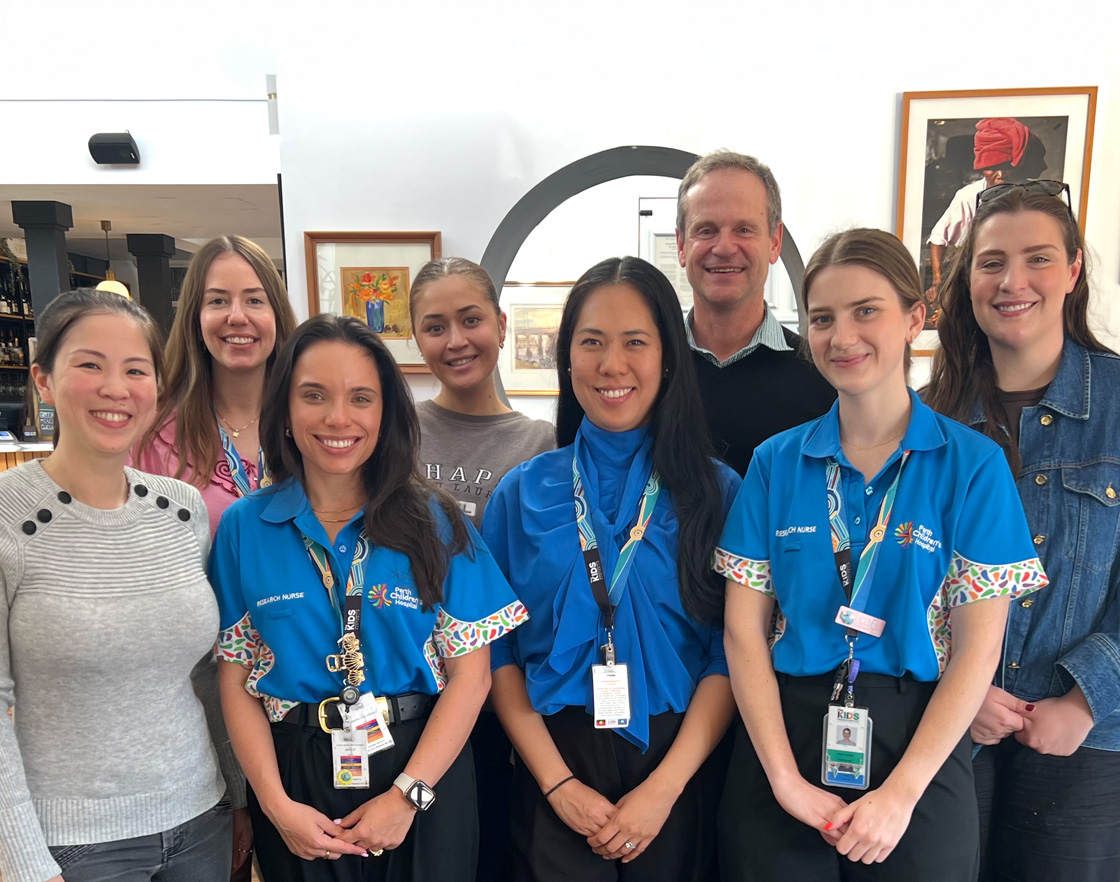
Our team aims to optimise lung health early in life to ensure the best possible health outcomes later in life.