
Search
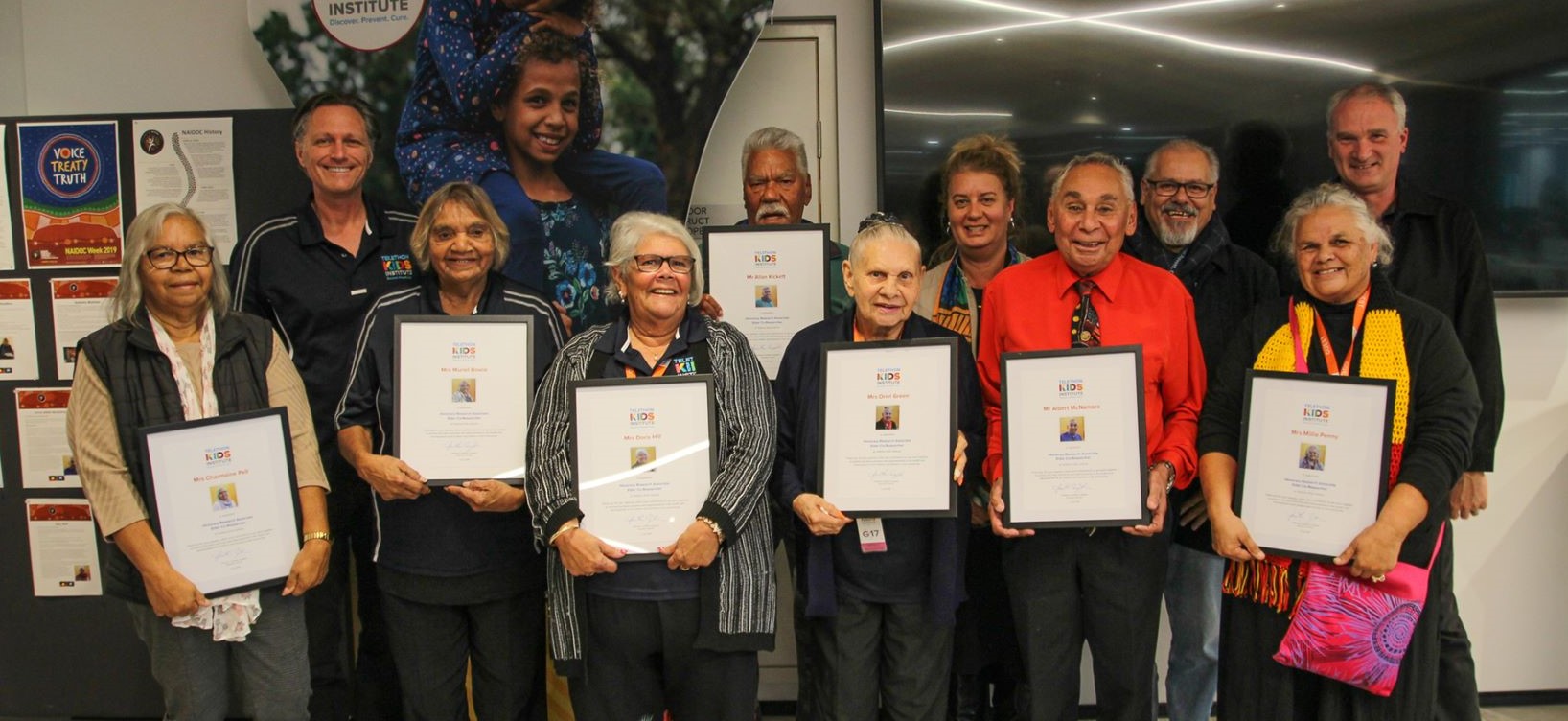
The Ngulluk Koolunga Ngulluk Koort (Our Children, Our Heart) Project grew out of a bold vision to harness the wisdom of Aboriginal Elders to improve outcomes for Aboriginal children, producing a suite of Elder-led, culturally appropriate and empowering initiatives that are making a difference.

Two international trials led by The Kids Research Institute Australia’s Neonatal and Infection Immunity Team are tackling the urgent need for simple and safe interventions that can help prevent the adverse long-term effects of infections in extremely preterm babies.
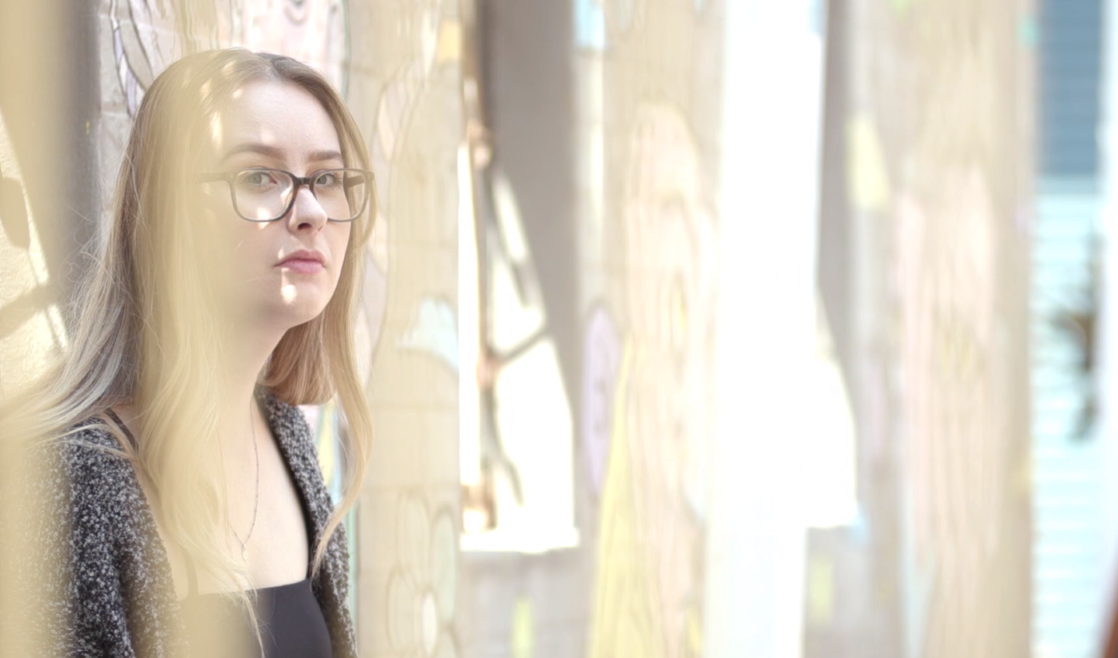
Young people and their families have teamed up with youth mental health providers and researchers to deliver a report which tackles youth suicide in WA.
Assisted reproductive technologies (ART) cover a range of methods used to help couples with fertility problems achieve pregnancy, including in-vitro fertilisation (IVF).
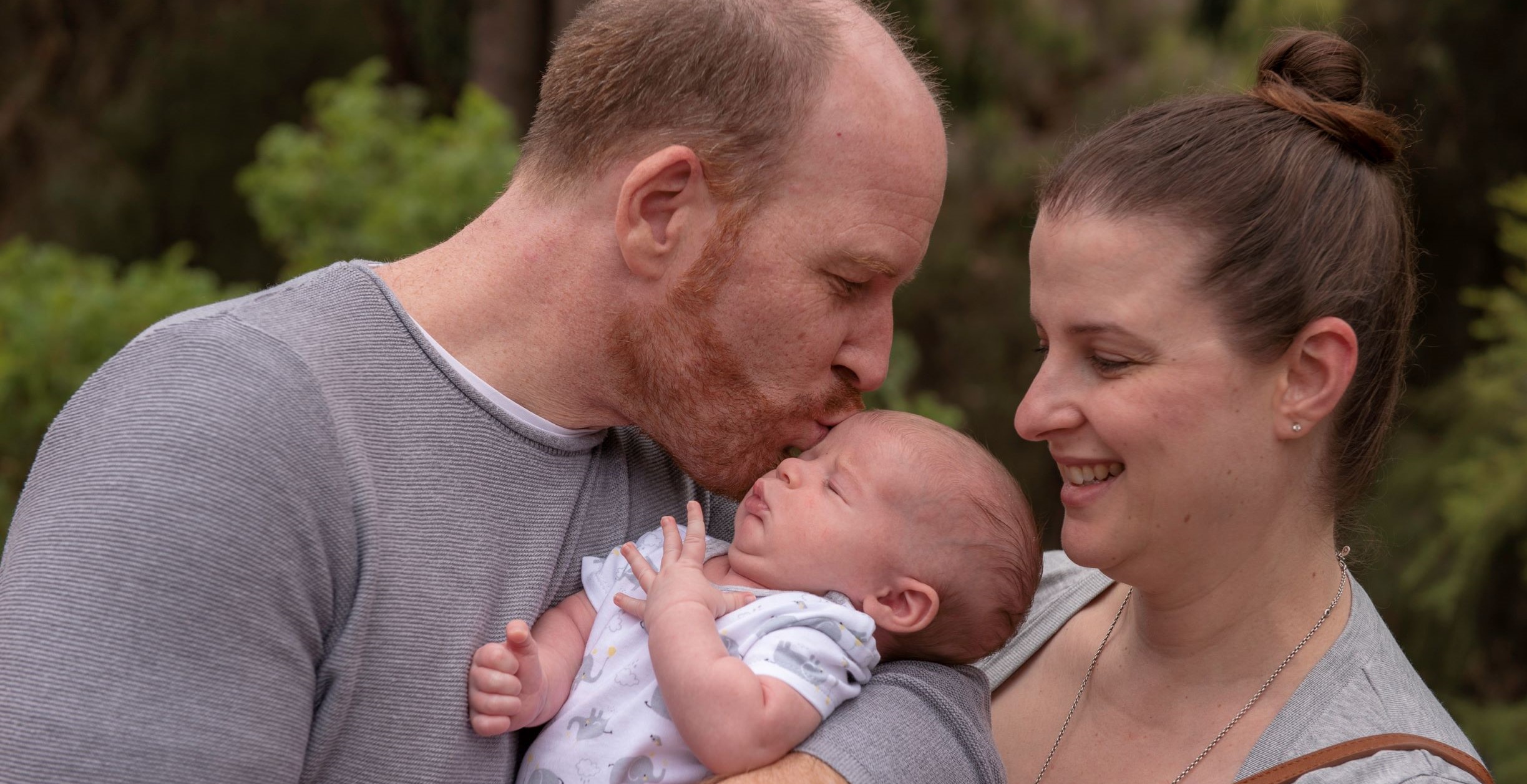
Despite major advances in science in recent years, many Australians still don't understand the magnitude and importance of early years development to a child's life journey.

Discover more about some of the broad topics and areas of research that The Kids Research Institute Australia are involved in.
It's normal for children and teenagers to experience a range of emotions, including sadness, however childhood depression is more than just feeling sad.
The CDKL5 Clinical Severity Assessment is a comprehensive, content-validated measurement tool capturing the diverse challenges of cyclin-dependent kinase-like 5 deficiency disorder, a genetically caused developmental epileptic encephalopathy. The CCSA is divided into clinician-reported and caregiver-reported assessments. The aim of this study was to evaluate the factor structure of these measures through confirmatory factor analysis and evaluate their validity and reliability.
Australia does not have a national strategy for Aboriginal and Torres Strait Islander adolescent health and as a result, policy and programming actions are fragmented and may not be responsive to needs. Efforts to date have also rarely engaged Aboriginal and Torres Strait Islander people in co-designing solutions. The Roadmap Project aims to work in partnership with young people to define priority areas of health and well-being need and establish the corresponding developmentally appropriate, evidence-based actions.
Malaria risk maps are crucial for controlling and eliminating malaria by identifying areas of varying transmission risk. In the Greater Mekong Subregion, these maps guide interventions and resource allocation. This article focuses on analysing changes in malaria transmission and developing fine-scale risk maps using five years of routine surveillance data in Laos (2017-2021). The study employed data from 1160 geolocated health facilities in Laos, along with high-resolution environmental data.