
Search
Hereditary pancreatitis causes severe early-onset pain and hospitalisation. In 15 Australian patients undergoing total pancreatectomy and islet auto transplantation (TPIAT), we observed a marked reduction in hospital admissions, inpatient days and emergency visits, complete analgesic cessation by 24 months and durable insulin independence in nearly half of the patients. These findings highlight TPIAT's potential to improve quality of life and reduce healthcare burden. Our programme aims to build evidence to support public funding and ensure equitable access to this procedure.
Serosurveys are considered as a valuable tool in estimating population immunity and infection rates but recruitment of children to provide paediatric estimates can be challenging. A novel approach of sampling children undergoing anaesthesia was utilised for a SARS-CoV-2 serosurvey in Australian children and we explore the reasons for participation, feedback on the approach and importance of research into Coronavirus Diseases 2019 (COVID-19).
Ambient heat exposure during pregnancy is associated with adverse outcomes, and adverse neurodevelopmental outcomes are an emerging concern. This scoping review synthesises human and animal evidence on the association between prenatal ambient heat exposure and poor neurodevelopmental outcomes.
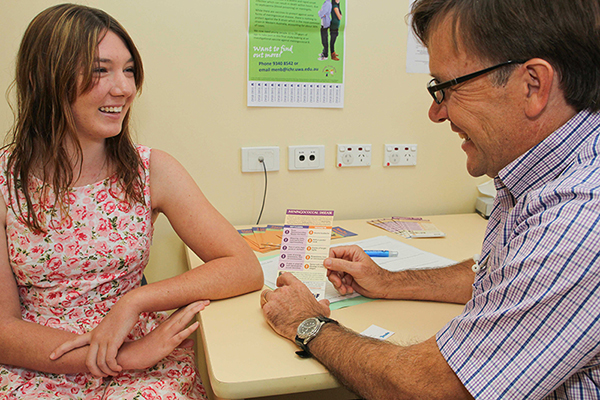
Meningococcal disease is caused by the bacteria Neisseria meningitidis, or 'meningococcus'. It is an uncommon but very serious disease that can result in death if not recognised and treated quickly.
Remote Aboriginal communities in Australia are located on traditional lands holding deep cultural significance and meaning for residents. However, systemic inequity rooted in colonisation has driven persistent housing and health disparities, with inadequate environmental health conditions within homes and communities a prominent example.
The prevalence of impetigo and pharyngitis - which are both superficial group A streptococcus (GAS) infections that precede acute rheumatic fever - is poorly defined. Guidelines recommend the early diagnosis of both infections to prevent ARF; however, screening to enable the concurrent detection of these infections in high-risk populations has rarely been performed.
The implications of climate change for malaria eradication this century remain poorly resolved. Many studies focus on parasite and vector ecology in isolation, neglecting the interactions between climate, malaria control and the socioeconomic environment, including disruption from extreme weather. Here we integrate 25 years of African data on climate, malaria burden and control, socioeconomic factors, and extreme weather.
Children and young people with type 1 diabetes (T1D) experience high rates of mental ill health and stress due to the emotional and cognitive energy required to manage their condition. Our team has codesigned Wellbeing T1D, a brief trauma-informed online intervention for adolescents living with T1D. This 5-week intervention will teach skills to promote problem solving, improve emotional regulation and promote helpful thinking and coping.
CDKL5 Deficiency Disorder (CDD) is a rare neurodevelopmental disorder characterised by early onset seizures combined with complex healthcare needs and developmental impairment that influence functional domains including communication. Communication is a high priority domain for families but currently used measures demonstrate floor effects.
To investigate the follow-up and outcomes of HIV-exposed infants in a setting of low HIV prevalence. This was a multicenter, retrospective study of live-born infants of women known to be living with HIV, at 9 tertiary pediatric centers in Australia and New Zealand from 2009-2025. Antenatal, perinatal, and postnatal data, and outcomes at clinic visits to 18 months of age were collected, including co-morbidities, development, and HIV results.