
Search
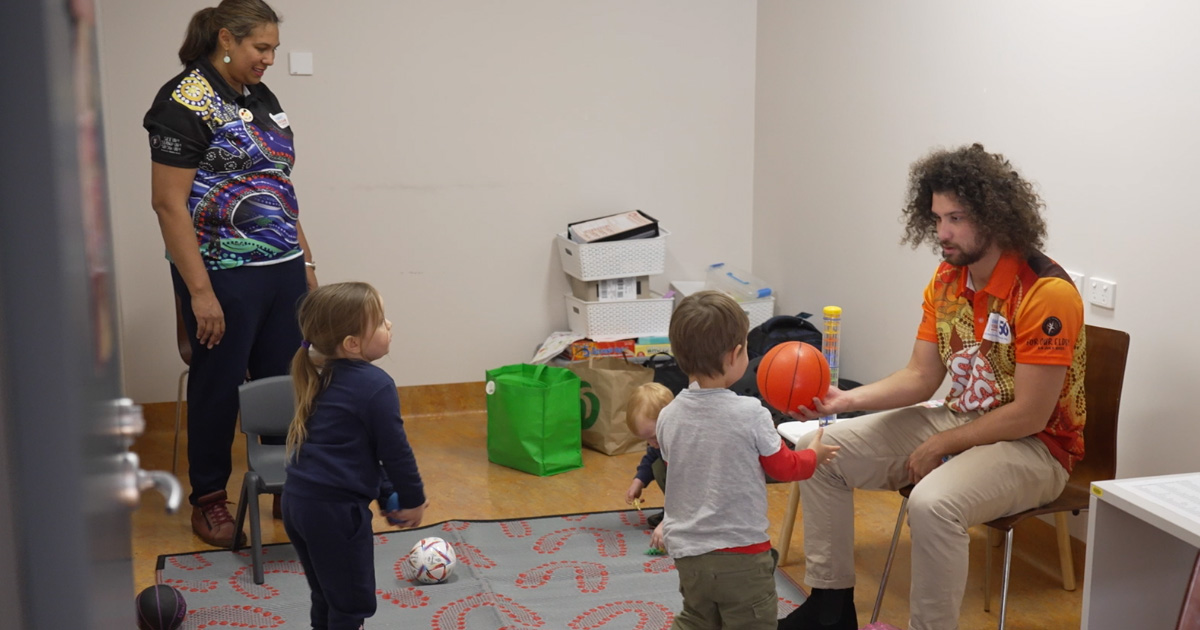
Complex health needs of Indigenous children are being fast-tracked by a unique project designed to reduce red tape and deliver timely paediatric services.
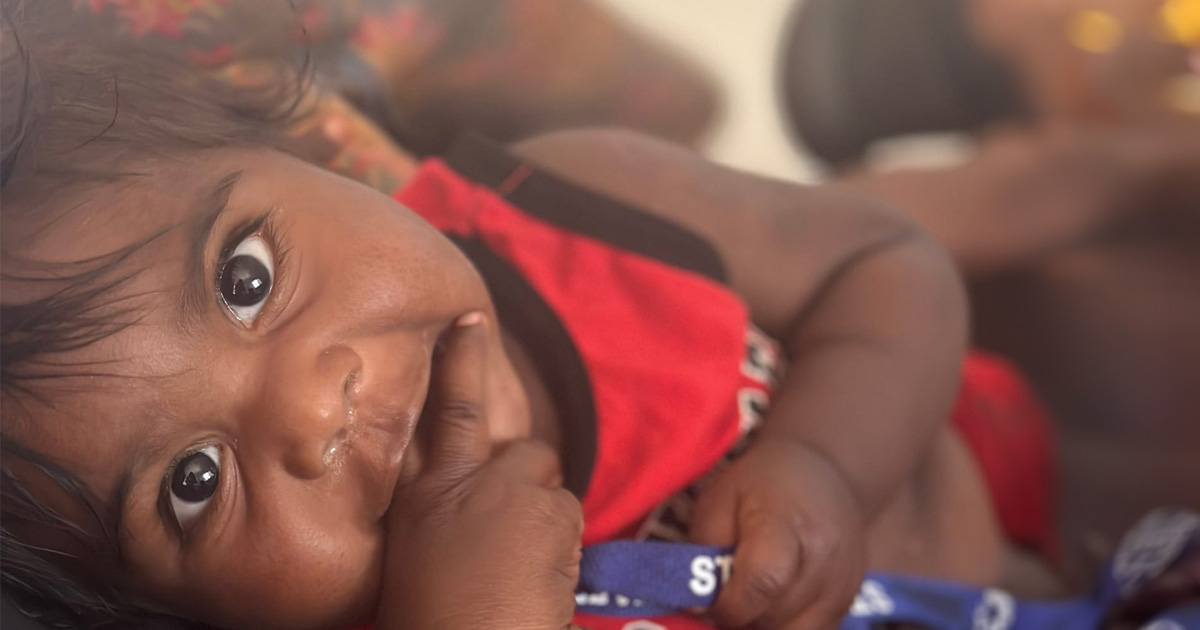
Born two weeks early, six-month-old Braxton Lewis’ entry to the world could have been vastly different if not for a service dedicated to improving pregnancy outcomes for Aboriginal women in WA’s East Pilbara.
Stay up to date with the latest news with Journey Together.
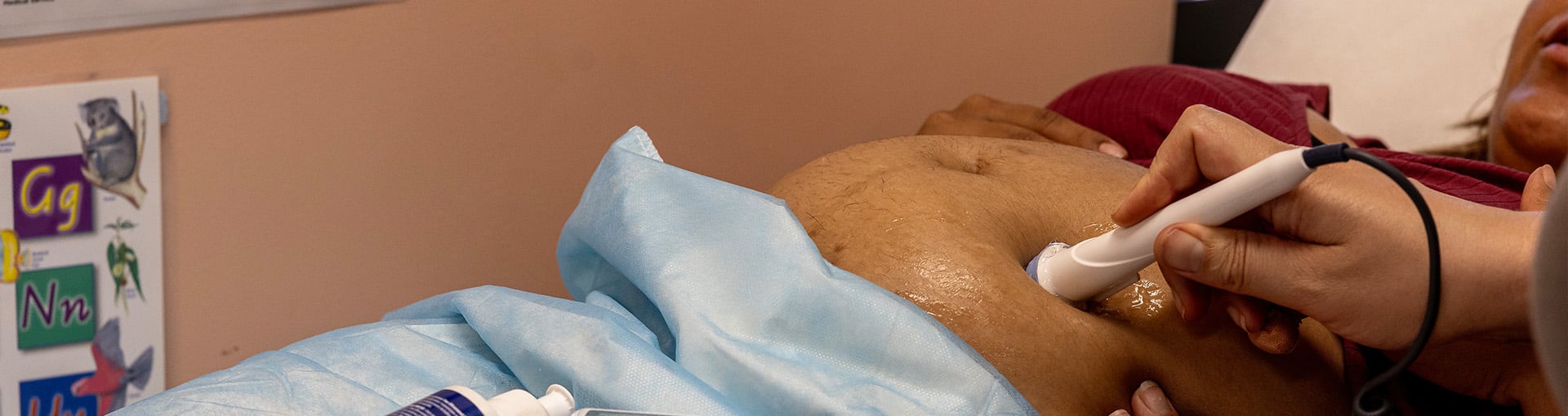
For pregnant Aboriginal women living in WA’s East Pilbara, significant issues systematically impede their pregnancy journey and a safe and healthy start to life for their babies.
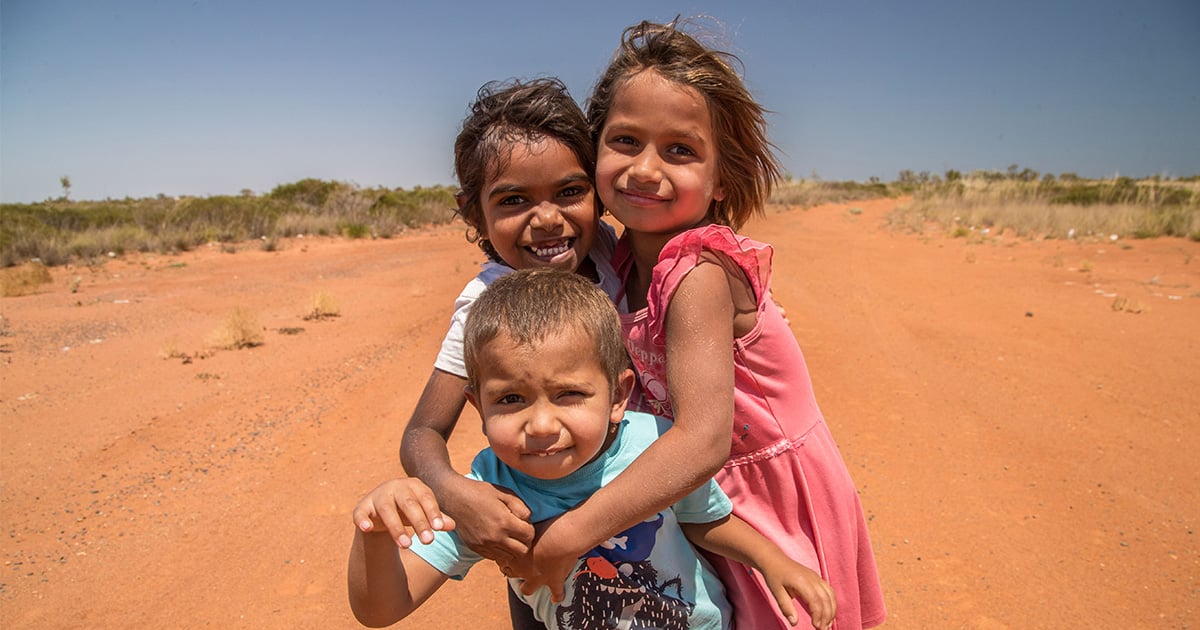
Early in the consultation phase of the project, local Elders through Hedland Aboriginal Strong Leaders, education representatives and others identified that vulnerable families needed help navigating and accessing local support services that were already available in Port Hedland.
A Network comprised of four regional sites to facilitate key medical, research and training activities undertaken in partnership with Aboriginal communities.
The WAACHS regional profiles look at all four volumes of results across the ATSIC regions of Western Australia.
At The Kids Research Institute Australia, we've been thinking of the kids for 35 years. We are finding the answers to some of the biggest problems facing the health and wellbeing of children and families. Our Research Themes host defined programs of work where the Institute has clear strengths and capacity. Our overarching commitment to First Nations Health and Equity is embedded across all our work and features as a core consideration in each Research Theme. The Institute is committed to ending the disparity in health and wellbeing outcomes between Aboriginal and non-Aboriginal kids and families.
CREAHW is a program of intervention research focused on achieving sustainable change for the Aboriginal community & improving the lives of Aboriginal people.
Country-level estimates can mask local geographic variations in progress toward achieving World Health Organization's End TB targets. This study aimed to identify spatial variations in progress toward achieving the TB incidence reduction target at a district level in Ethiopia.