
Search
Many survivors of preterm birth (<37 weeks gestation) have lifelong respiratory deficits, the drivers of which remain unknown. Influencers of pathophysiological outcomes are often detectable at the gene level and pinpointing these differences can help guide targeted research and interventions. This study provides the first transcriptomic analysis of primary nasal airway epithelial cells in survivors of preterm birth at approximately 1 year of age.
Blood glucose management around exercise is challenging for youth with type 1 diabetes (T1D). Previous research has indicated interventions including decision-support aids to better support youth to effectively contextualize blood glucose results and take appropriate action to optimize glucose levels during and after exercise. Mobile health (mHealth) apps help deliver health behavior interventions to youth with T1D, given the use of technology for glucose monitoring, insulin dosing, and carbohydrate counting.
Communication impairments are a leading concern for parent caregivers of individuals with rare neurodevelopmental disorders. Clinical trials of disease modifying therapies require valid and responsive outcome measures that are relevant to individuals with RNDDs. Identifying and evaluating current psychometric properties for communication measures is a critical step towards the selection and use of appropriate instruments.
Aotearoa New Zealand does not provide publicly-funded intensive autism support. While parent-mediated supports are promising, children and families may also benefit from direct clinician support. We tested the efficacy of a low-intensity programme involving parent- and clinician-delivered support for autistic children.
Healing Right Way (HRW) aimed to improve health outcomes for Aboriginal Australians with stroke or traumatic brain injury by facilitating system-level access to culturally secure rehabilitation services. Using a stepped-wedge randomised controlled trial design, a two-pronged intervention was introduced in four rural and four urban hospitals, comprising cultural security training for staff and training/employment of Aboriginal Brain Injury Coordinators to support Aboriginal patients for 6-months post-injury.
From 1 January 2020 to 31 December 2021, thirty-eight institutions across Australia submitted data to the Australian Group on Antimicrobial Resistance (AGAR) from patients aged < 18 years (AGAR-Kids). Over the two years, 1,679 isolates were reported from 1,611 patients. This AGAR-Kids report aims to describe the population of children and adolescents with bacteraemia reported to AGAR and the proportion of resistant isolates.
There is a recognized unmet need for clinical trials to provide evidence-informed care for infants, children and adolescents. This Special Communication outlines the capacity of 3 distinct trial design strategies, sequential, parallel, and a unified adult-pediatric bayesian adaptive design, to incorporate children into clinical trials and transform this current state of evidence inequity. A unified adult-pediatric whole-of-life clinical trial is demonstrated through the Staphylococcus aureus Network Adaptive Platform (SNAP) trial.
Citation: Davis JW, Stewart M. Data collection in neonatal retrieval medicine: a platform for research and improvement. Arch Dis Child Fetal Neonatal
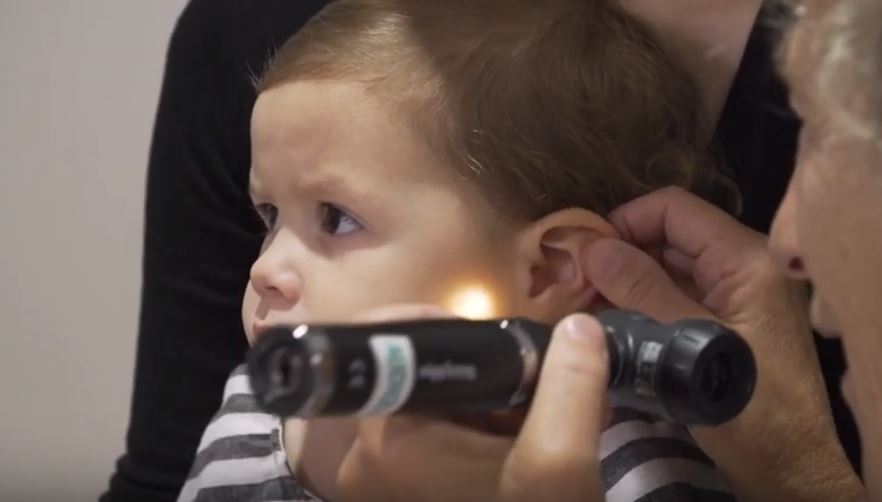
Researchers from The Kids Research Institute Australia have identified the main bacteria responsible for recurrent ear infections and repeat ear surgeries in children.
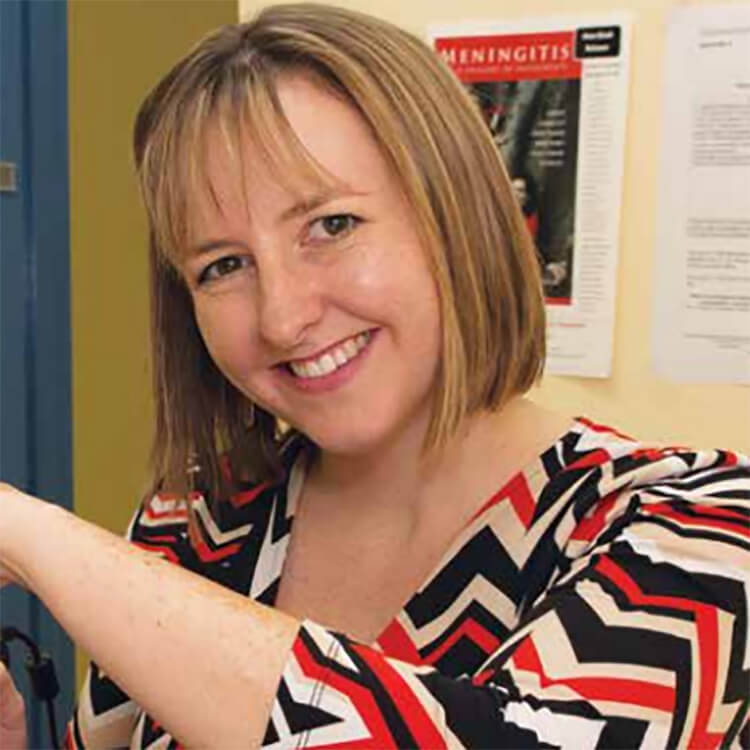
Co-head, Bacterial Respiratory Infectious Disease Group (BRIDG)