
Search
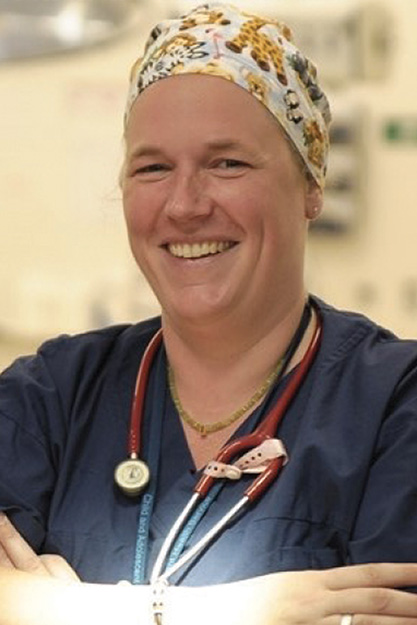
The Kids Research Institute Australia’s Perioperative Medicine team is helping to change global and local practice by finding safer and gentler ways to both undertake surgery, and care for kids and families afterwards.
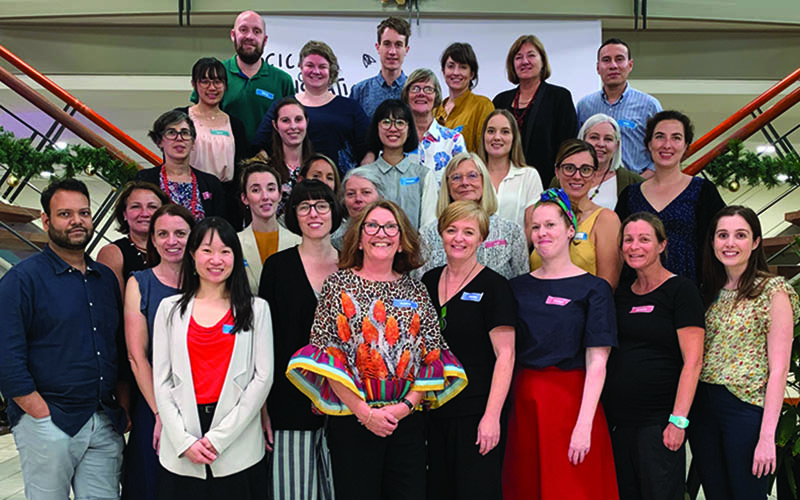
The FASD Research Australia Centre of Research Excellence (CRE) has substantially built the evidence base around FASD and had a significant impact on advocacy, policy and practice.
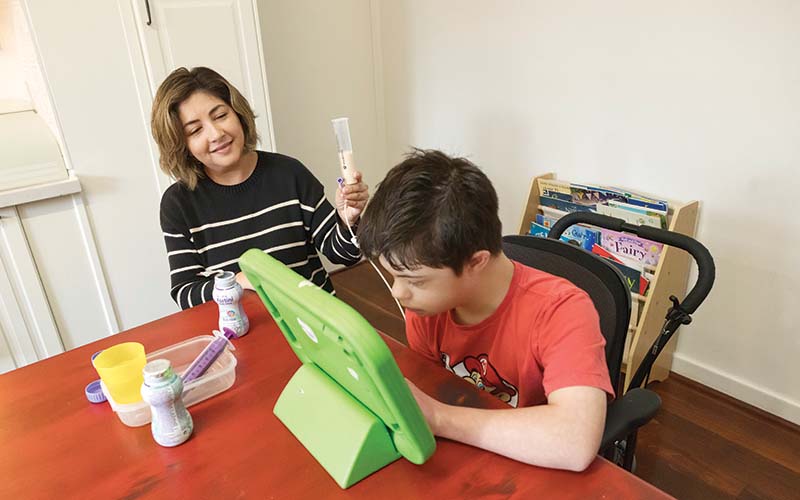
For thousands of children around Australia with intellectual and other disabilities, the process of eating can be traumatic, posing challenges that veer from uncomfortable to life threatening.
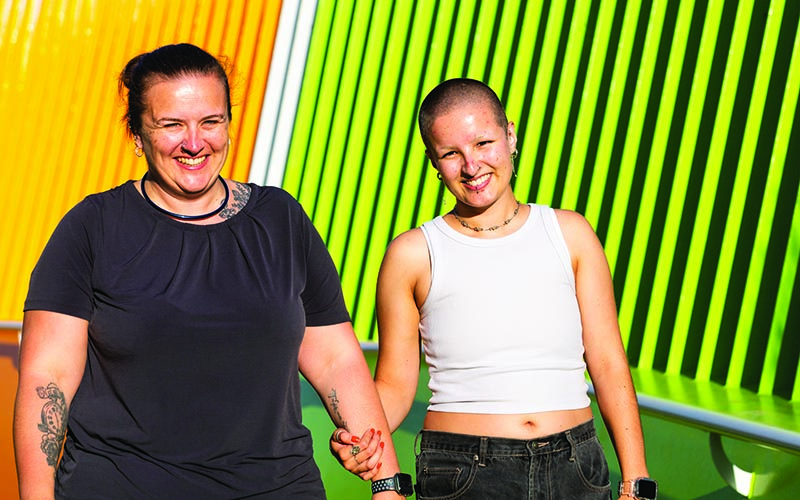
A new website for parents of trans children and young people across Australia is expected to improve family wellbeing and ultimately save lives after launching in May 2023.

Pneumococcal – a bacterial infection that can cause pneumonia and meningitis – is responsible for 1000s of hospital admissions in Australia each year, many of them children.

The Walkern Katatdjin (Rainbow Knowledge) project has produced a suite of resources to help services become more inclusive.
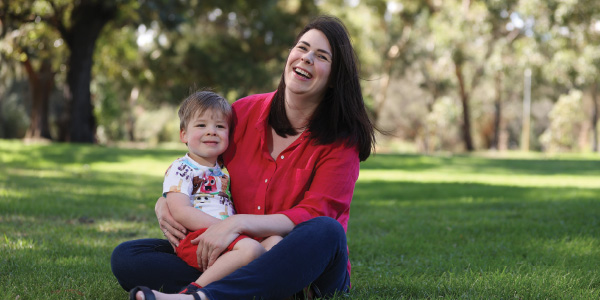
Amy Bertinshaw had a choice between ‘wait and see’ or seek help when she noticed her son Stirling was slower to meet developmental milestones at age 12 months.
The skin is the largest and most visible organ of the human body. As such, skin infections can have a significant impact on overall health, social wellbeing and self-image.
People living with rare diseases had a high risk of negative health outcomes due to COVID-19. Pandemic preparedness will ensure best practice procedures and optimal outcomes during future pandemic events. This paper sought to understand the needs of children with rare diseases during the COVID-19 pandemic to inform preparation for future pandemic and disaster events. First, impacts and outcomes from the COVID-19 pandemic on people living with rare disease were identified in the literature.
B-cell epitope mapping is an approach that can identify and characterise specific antigen binding sites of B-cell receptors and secreted antibodies. The ability to determine the antigenic clusters of amino acids bound by B-cell clones provides unprecedented detail that will aid in developing novel and effective vaccine targets and therapeutic antibodies for various diseases.