
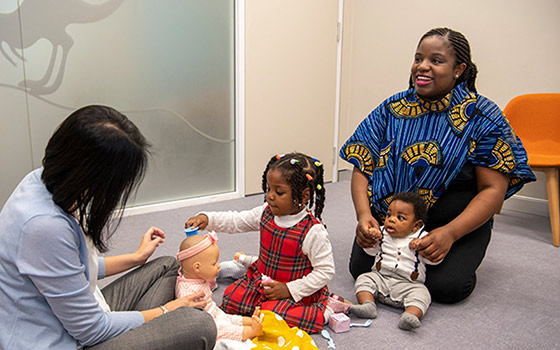
One of the unique aspects of CliniKids is the integration of clinical services with autism research.
Led by Professor Andrew Whitehouse, autism researchers work in collaboration with clinicians to give families faster access to world-leading therapies that are neurodiversity-affirming, backed by research, and tailored to families’ individual needs.
Our researchers are interested in understanding children with developmental conditions from the early stages of life to find new ways of assisting them to reach their full potential.
CliniKids researchers also provide evidence-based advice to Government to support policy change for better outcomes for autistic individuals and their families.
The team comprises more than 60 researchers and clinicians from a variety of backgrounds (psychology, speech pathology, occupational therapy, education, nursing, neuroscience).
Researchers are funded through grants from the NHMRC, ARC, NIH and other competitive research funding bodies. The team collaborates with more than 200 researchers from around the world, and is a prominent partner within the Autism Cooperative Research Centre.
The team is also committed to the translation of scientific knowledge, as demonstrated through our work in scientific communication ('60 Second Science' video series, viewed more than 2 million times), and our leadership on national policy (researchers led the development of Australia’s first guidelines for autism diagnosis and support for autistic children and their families).
The CliniKids team is focused on conducting research on:
- Improving lives by discovering acceptable, feasible and effective/efficacious methods for reducing challenges associated with autism.
- Connecting research outcomes to policy by working with the State and Federal Governments to develop evidence-based policy for autistic individuals.
- Developing research infrastructure by creating a research base that can be connected to international research efforts.
- Building a community and developing ways for the autism community to connect in a positive and beneficial way.
Team highlights
- The completion and publication of the first Australian clinical guideline for supporting autistic children and their families, which was endorsed by the NHMRC council in February 2023.
- The completion and publication of the first Australian clinical guideline for ASD assessment diagnosis, which was endorsed by the NHMRC council in July 2018.
- Completion of the Australian Autism Biobank, Australia’s largest repository of biological information collected form children with ASD and their families (>5000 biospecimens).
- Publication of more than 20 peer-reviewed papers;/year, including many in high-ranging journals (e.g., Pediatrics, Journal of Child Psychology and Psychiatry, Nature Communications).
Team leader
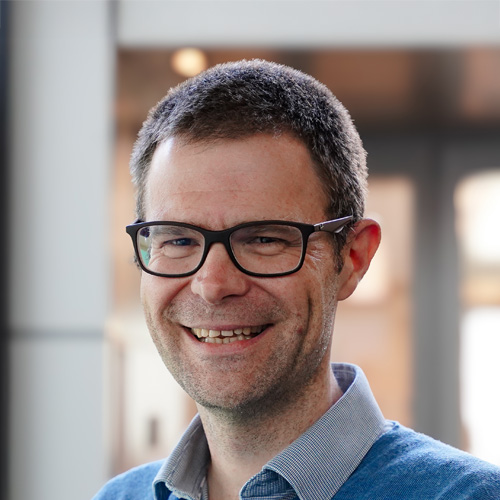
Deputy Director (Research); Angela Wright Bennett Professor of Autism Research at The Kids Research Institute Australia; Director, CliniKids
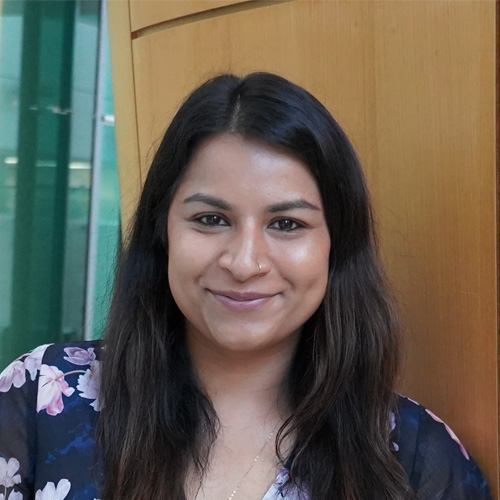
BSc (Hons), PhD
Team members (24)
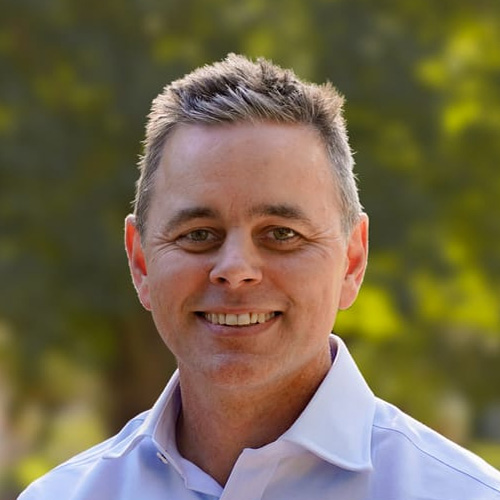
BaAppSc, MAppSc, PhD
Head of Autism Research; Senior Principal Research Fellow
M.Psych (Clinical), PhD
Senior Research Fellow

PhD
BSc(Hons), BScTech, PhD W.Aust. SpecCertCR(Neuro) Melb.
Speech Pathologist
BSpchPath(Hons)
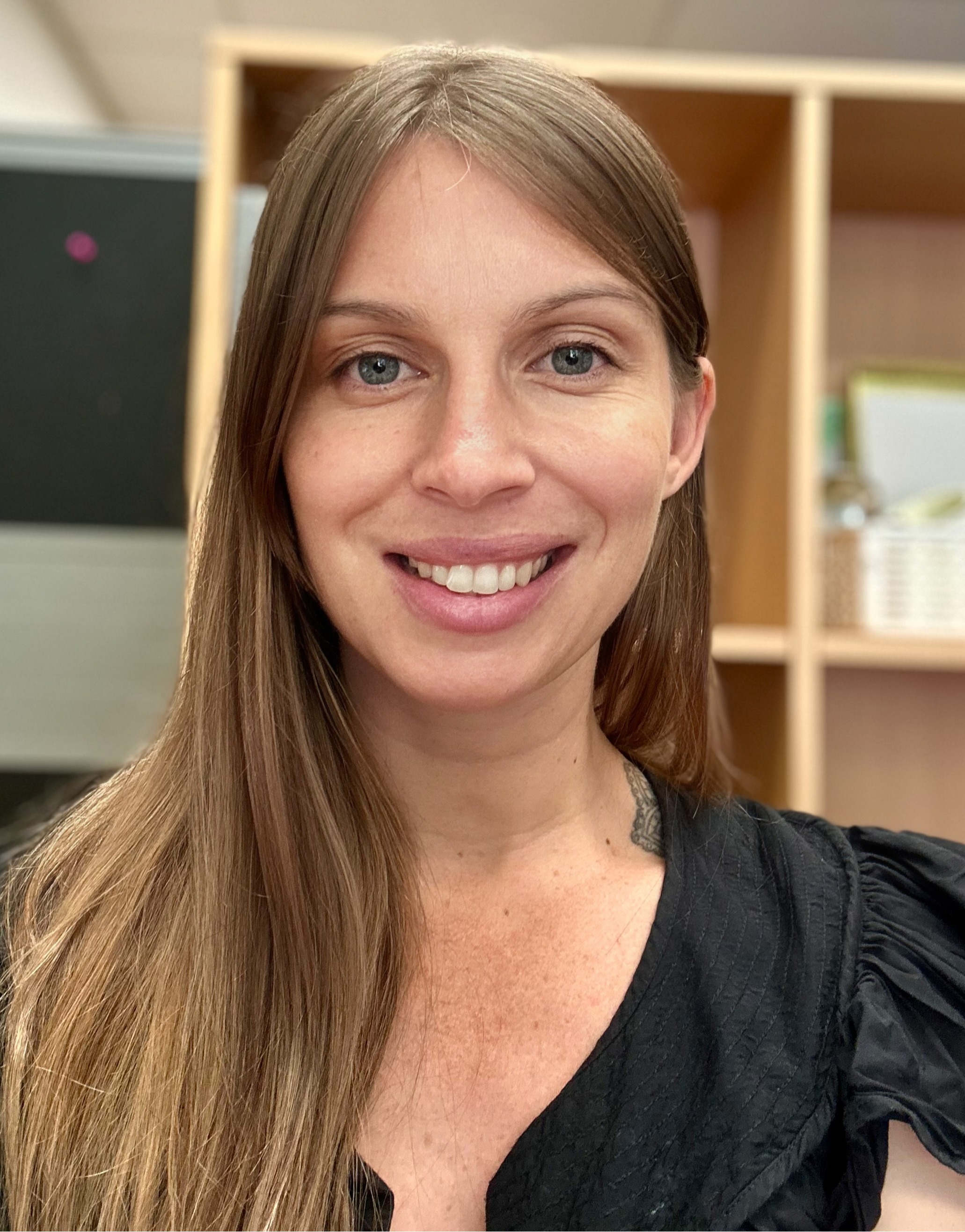
Senior Research Fellow

Bachelor of Human Communication Science (Honours)
Speech Pathologist

BSc(Hons), PhD, GradCertTMLP
Research Development Manager, CliniKids
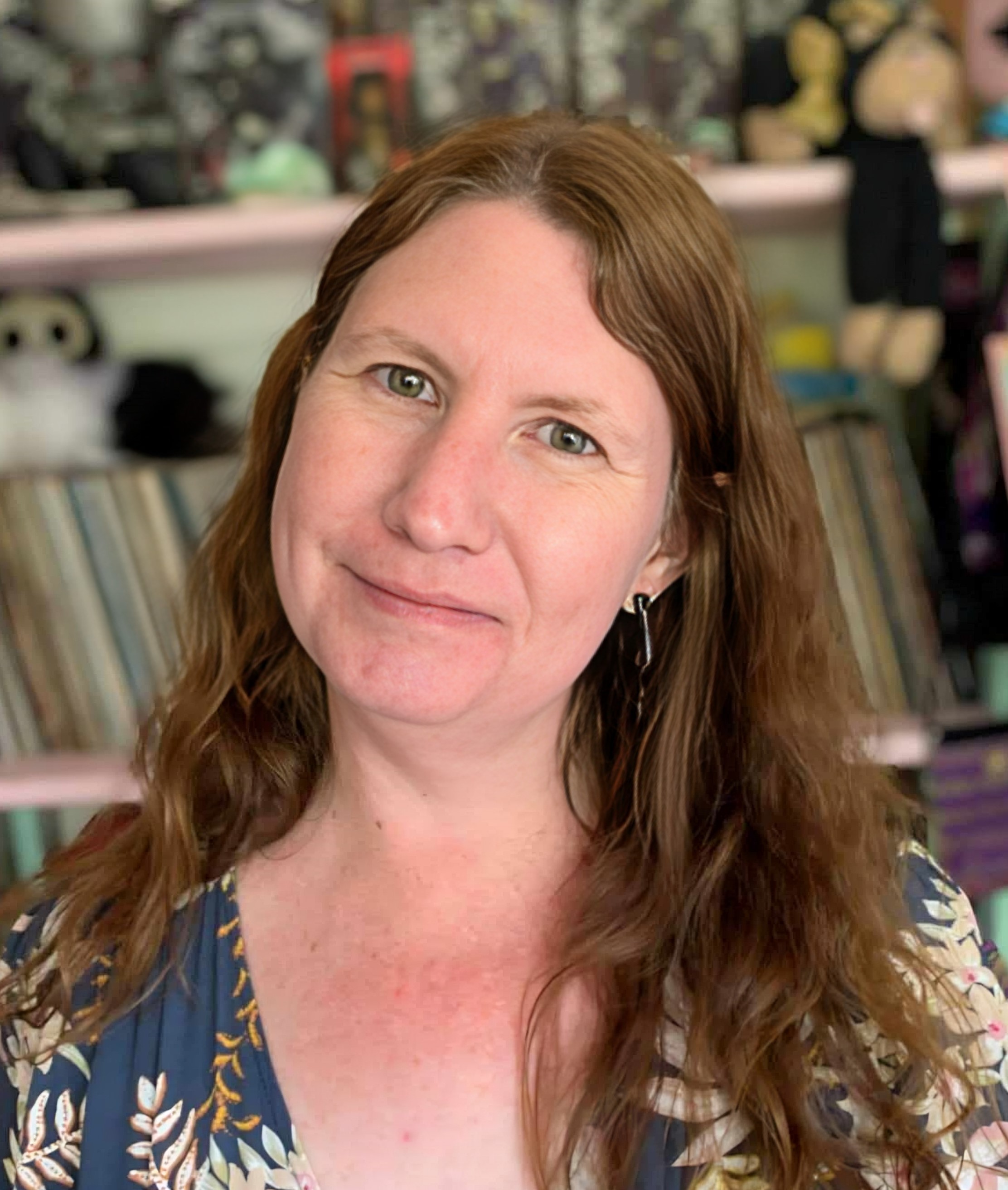
Research Fellow

Bachelor of Behavioural Science
Research Assistant
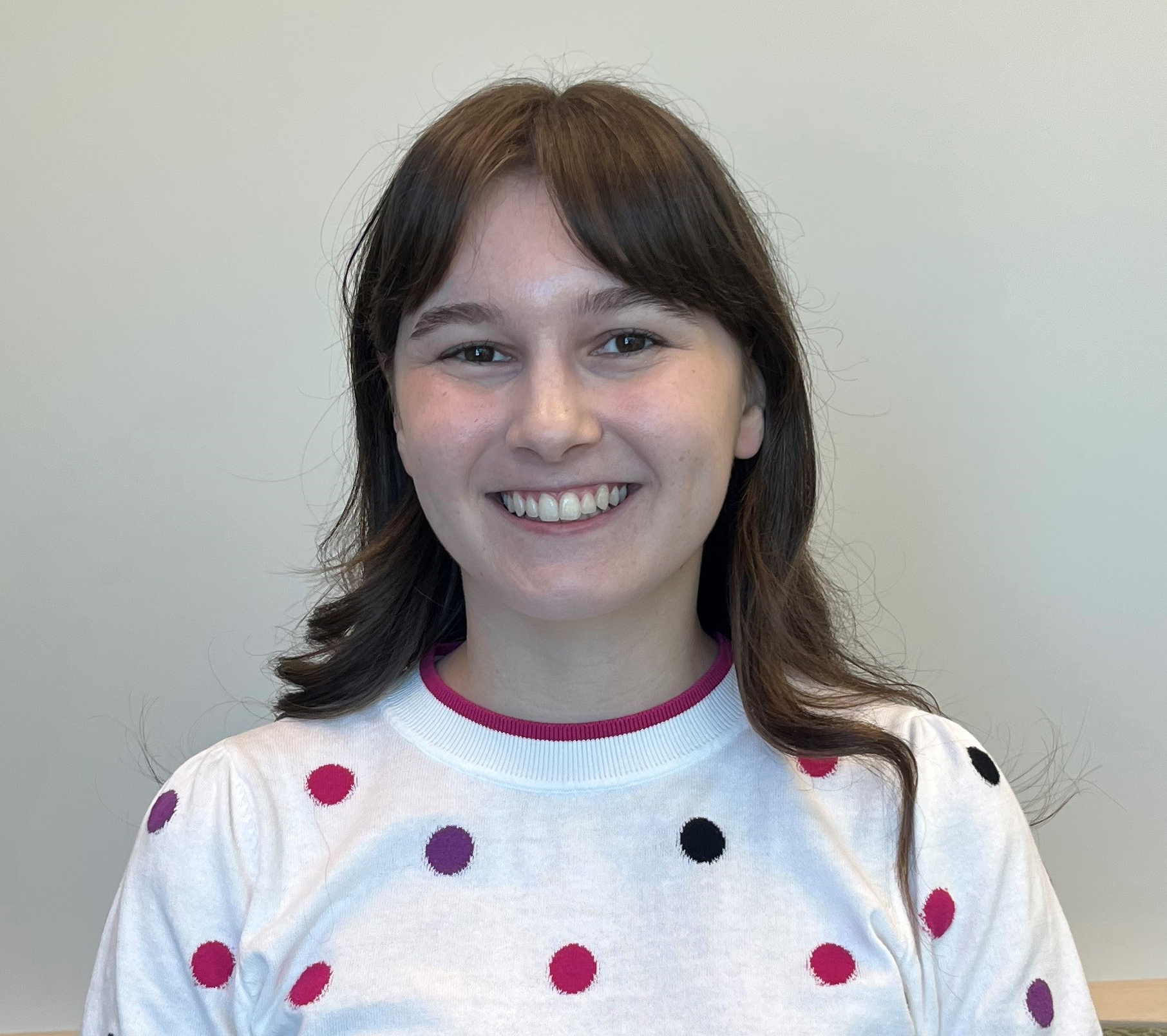
Registrar Clinical Psychologist
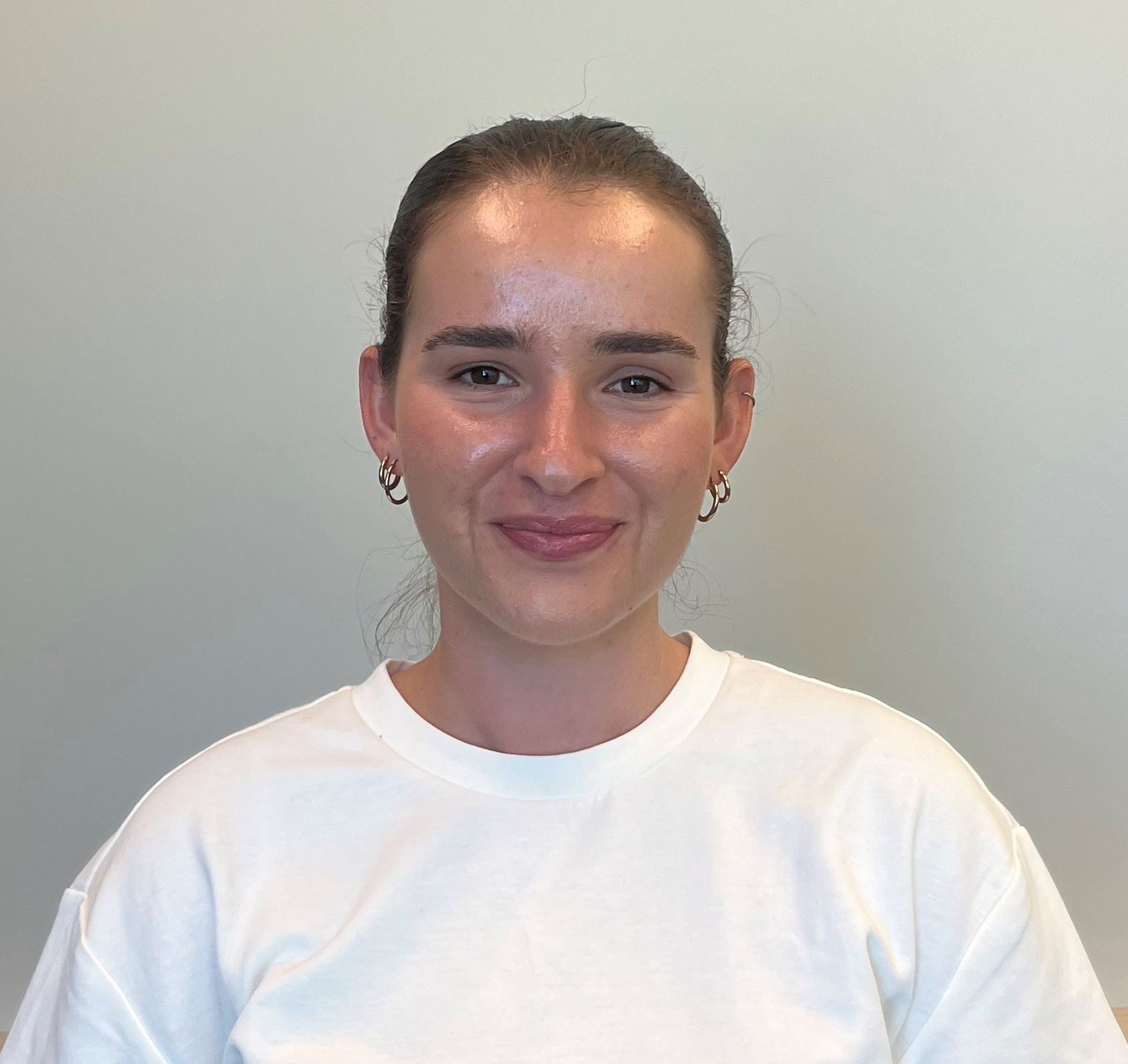
Client Support Officer
PhD candidate
PhD candidate

Alena Clark
Project Manager
Celine Bollinger
Senior Administration Officer
Jack Brett
Research Fellow
Noor Chehayber
Project Administration Officer
Debbie Eamer
Project Officer

Georgina Earl
Clinical Research Assessor
Bec Hanley
Communications Officer
Kathi Roiger
Clinical Research Assessor
Rebecca Kuzminiski
Project Coordinator
Featured projects
Developing national guidelines for intervention with children on the autism spectrum in Australia
The CliniBank Study: A research project to improve future clinical supports for children experiencing developmental difficulties
Other projects