
Search
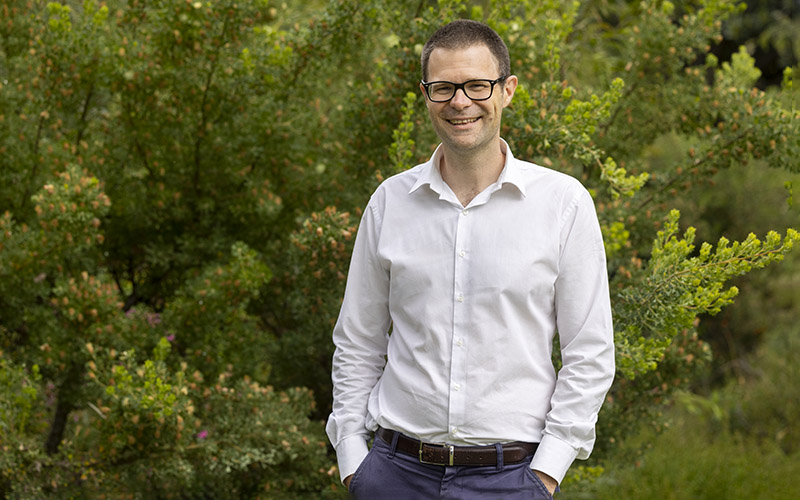
Professor Andrew Whitehouse has been named a finalist in the 2023 Western Australian of the Year Awards for his work in transforming clinical support for autistic children in Australia.
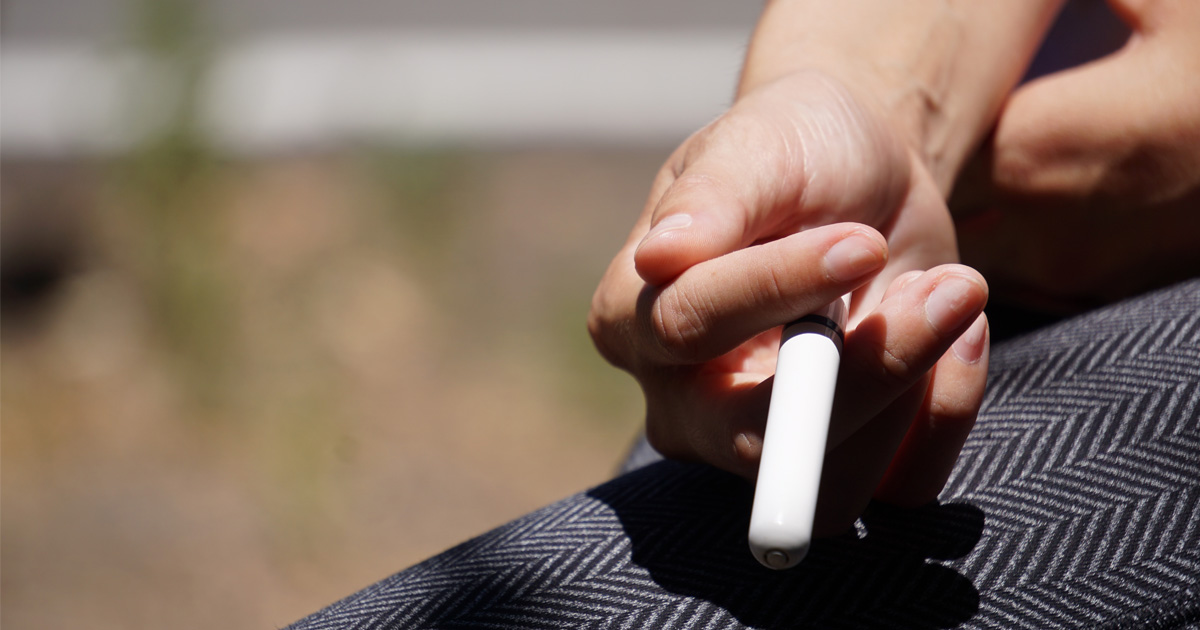
The Kids Research Institute Australia strongly supports the Federal Government’s announcement today to introduce a suite of reforms aimed at banning non-prescription vaping products in Australia.
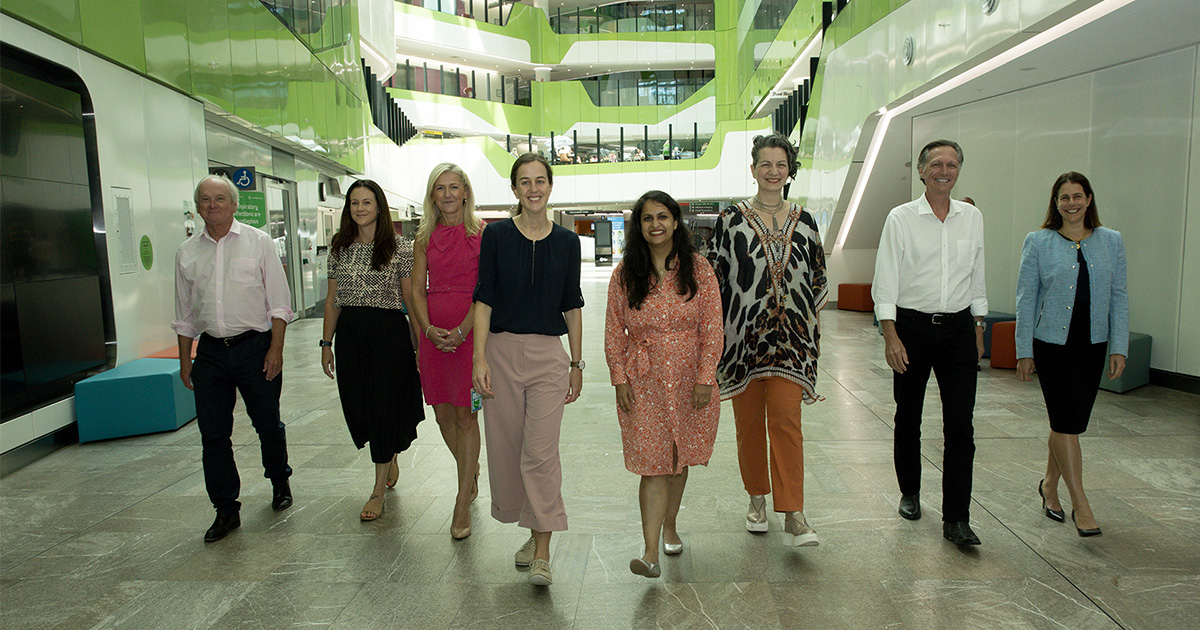
Two outstanding Perth Children’s Hospital clinicians will be supported to pursue a career in medical research, paving the way for more clinician-scientists in Western Australia.
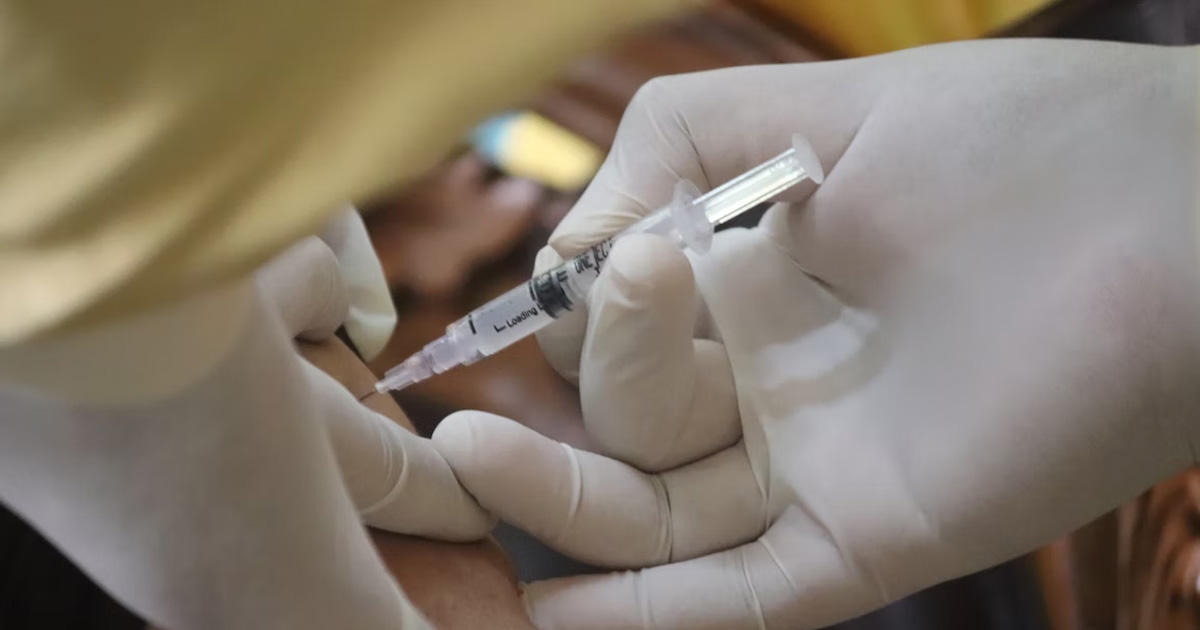
A world-first study has found a new vaccine against potentially deadly respiratory syncytial virus (RSV) is safe and effective for use in pregnant women, to help protect their babies.
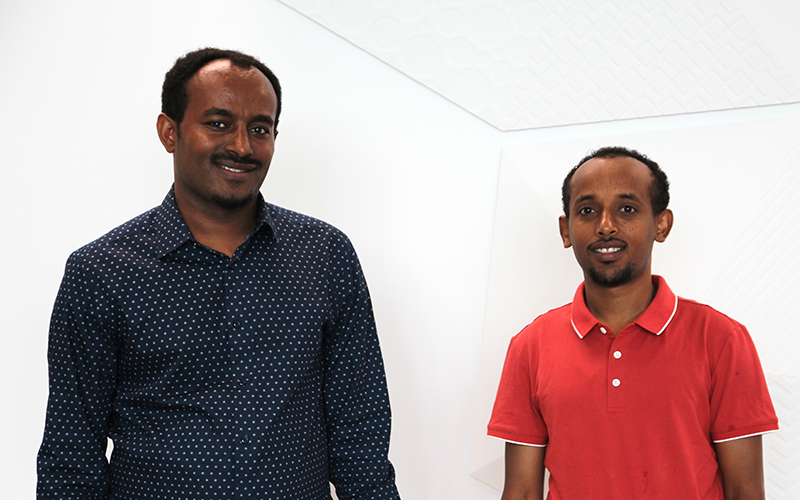
New research highlights the long-term physical health problems faced by people who survive drug-resistant tuberculosis (TB) .
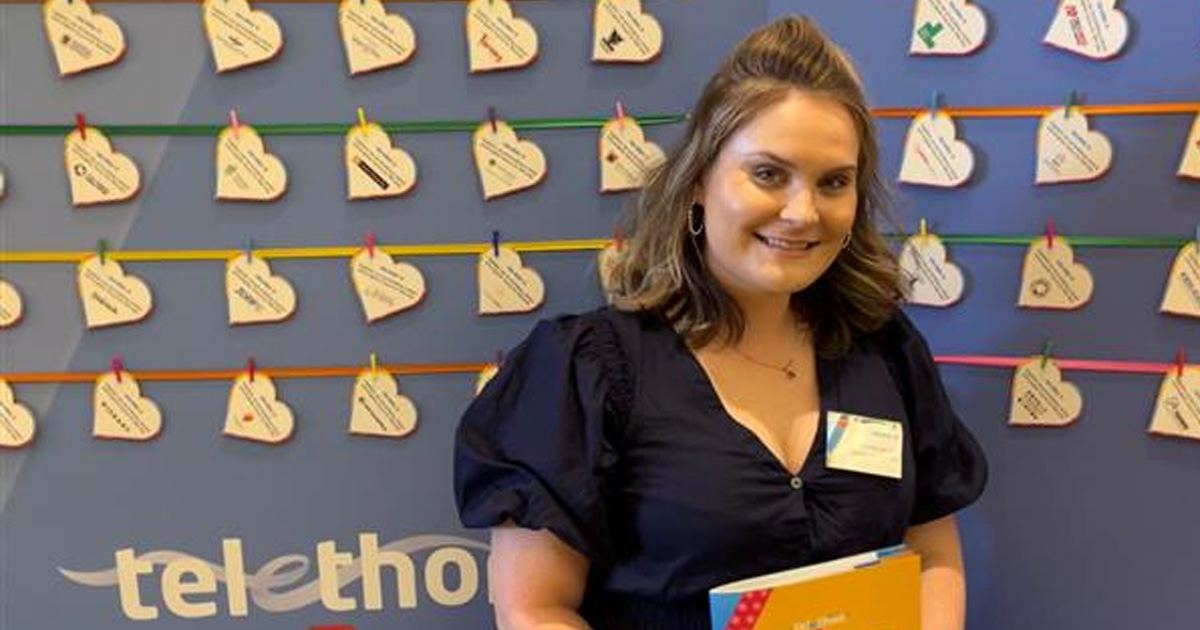
The generous support of West Australians through Channel 7’s Telethon Trust will help support vital child health research at The Kids Research Institute Australia in 2023.
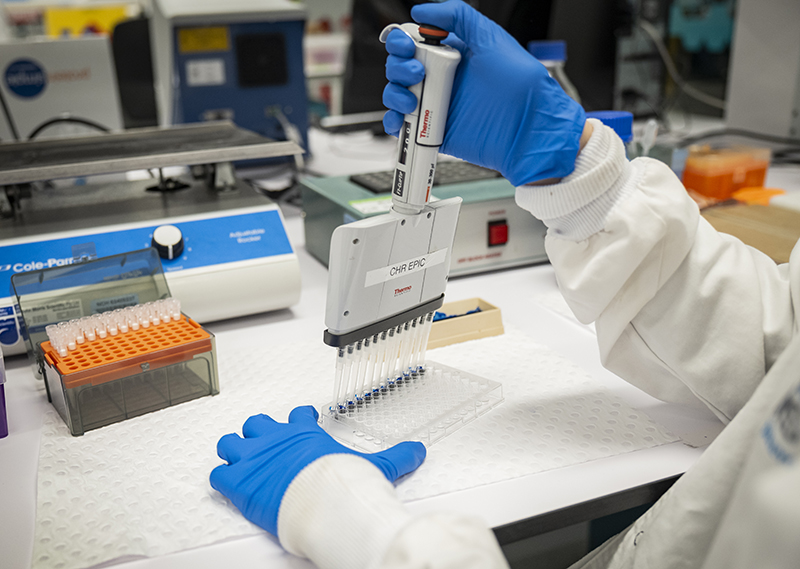
Researchers from The Kids Research Institute Australia have been awarded more than $11 million to support vital child health projects, under the Federal Government’s Medical Research Future Fund.
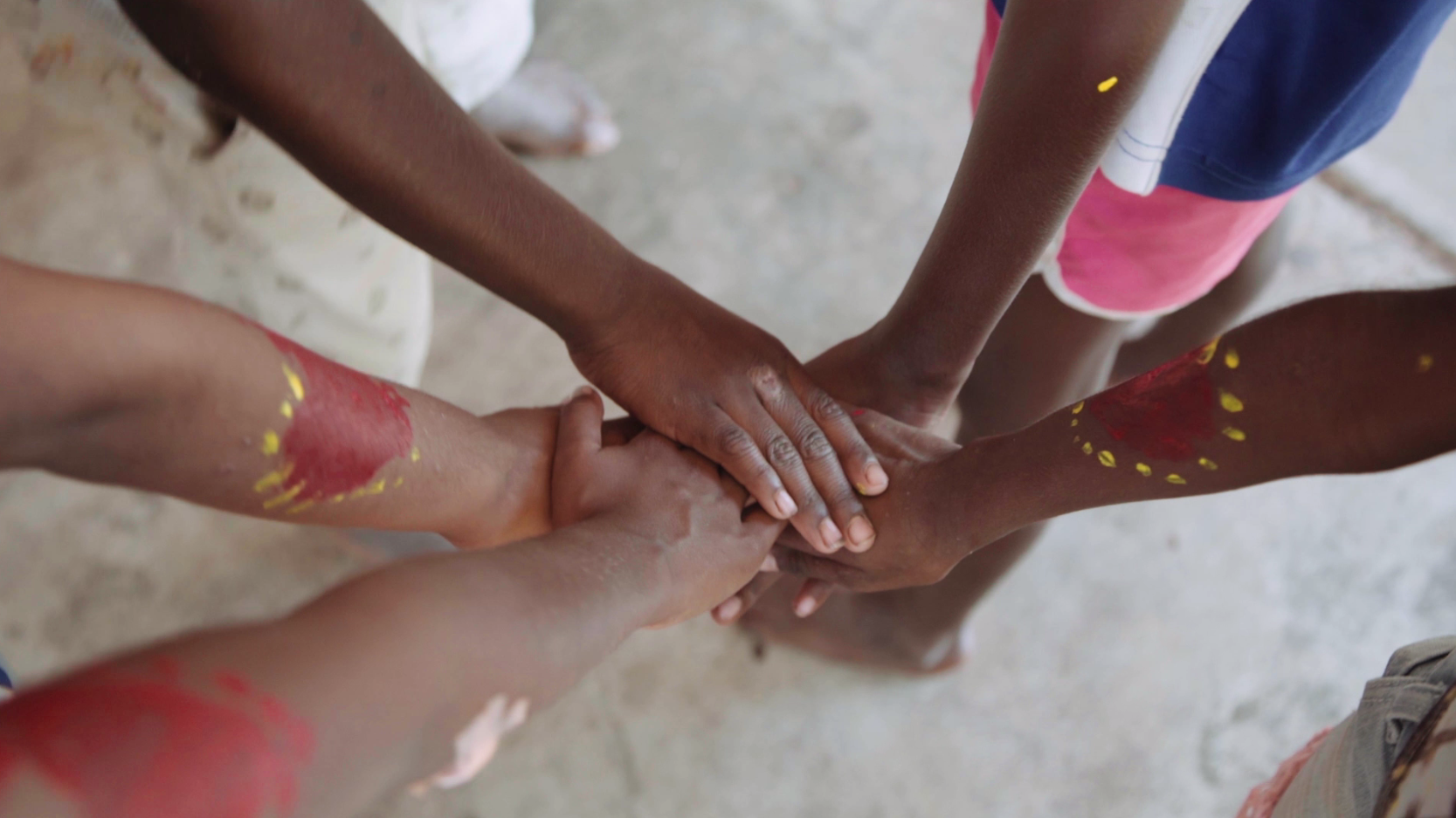
Young Aboriginal and Torres Strait Islander people receiving long-term, painful injections to prevent deadly complications from rheumatic heart disease (RHD) will design their own optimum treatment program thanks to latest research at The Kids Research Institute Australia.

Today, and every day, we celebrate the inspiring female researchers, students and professional staff who work at The Kids Research Institute Australia, and the contribution they make to child health research in Australia.
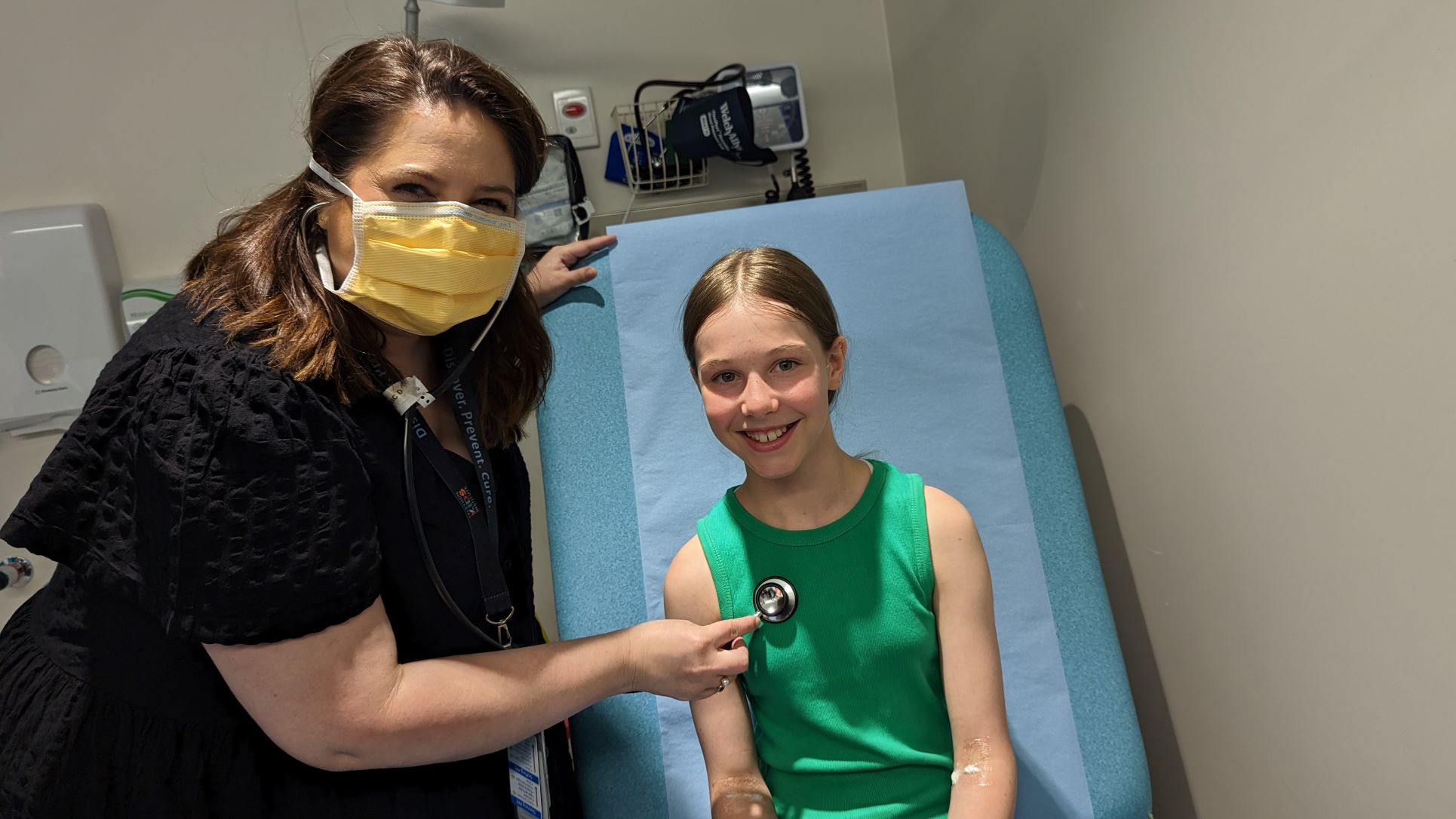
Tiny babies could soon have much-needed protection from community transmission of potentially deadly whooping cough thanks to a world-first nasal spray vaccine being trialed at The Kids Research Institute Australia.