
Search

Learn more about the research and programs produced as part of the Banksia Hill Project, plus related research projects at Telethon Kids Institute.
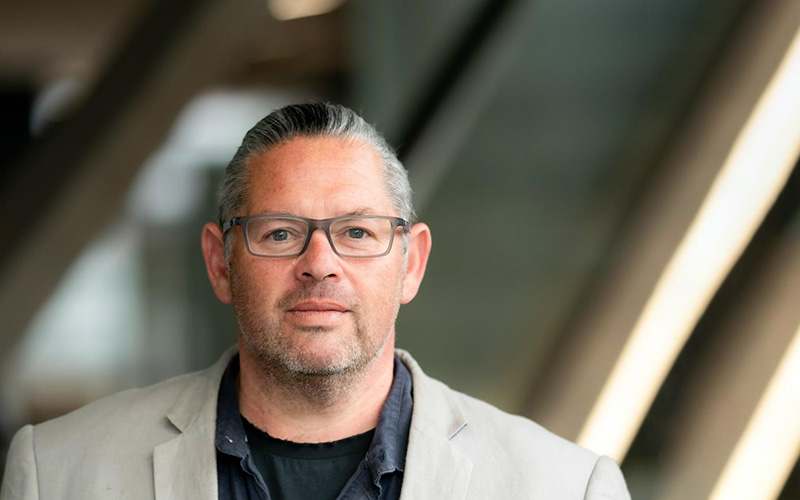
A large-scale study of the epigenetic landscape of Indigenous Australians could help tackle chronic diseases faced by Aboriginal and Torres Strait Islander people.
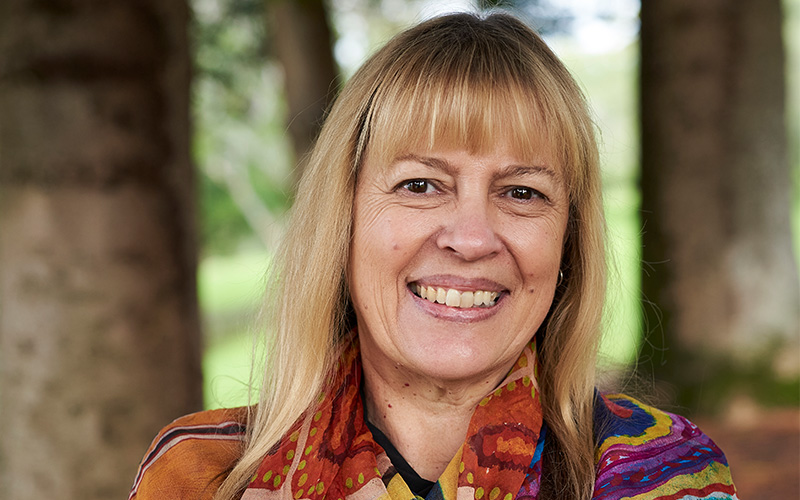
Pioneering Aboriginal psychiatrist, mental health champion and Western Australia’s 2021 Australian of the Year Professor Helen Milroy is among 10 ‘everyday Australians’ who will accompany Prime Minister Anthony Albanese and Governor General David Hurley to the funeral of the late Queen Elizabeth II.

A first-of-its-kind national study looking at the optimal COVID-19 vaccination strategies for children and adolescents is set to begin at Perth’s The Kids Research Institute Australia thanks to a $3.8 million funding injection from the Australian Government’s Medical Research Future Fund (MRFF).
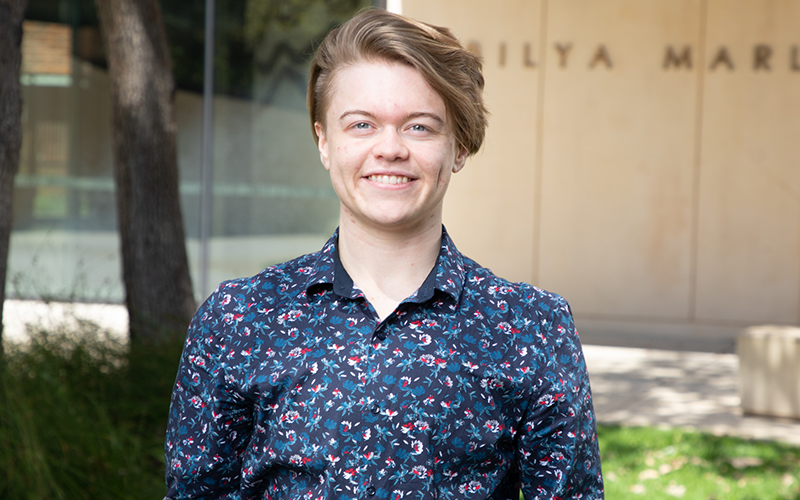
Youth mental health researcher named joint winner of the Shell Aboriginal STEM Student of the Year category at the 2022 Western Australian Premier’s Science Awards.
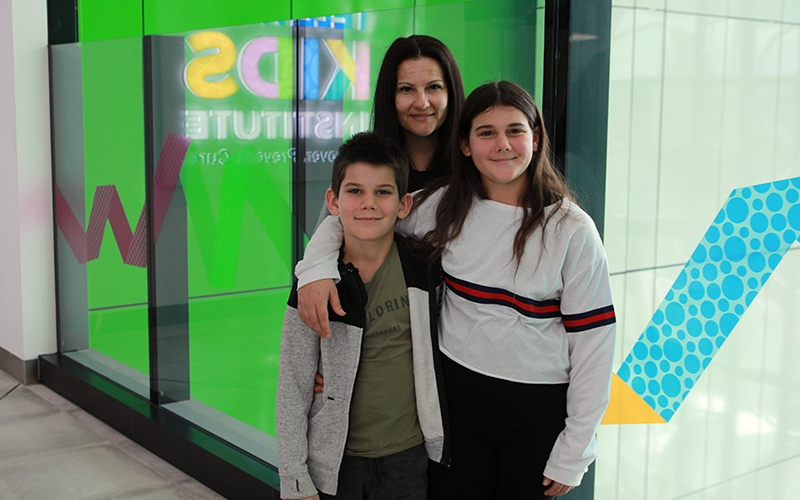
When Ballajura mum Filomena saw a callout to families to participate in a simple sore throat study to combat Strep A infections, she didn’t think twice.
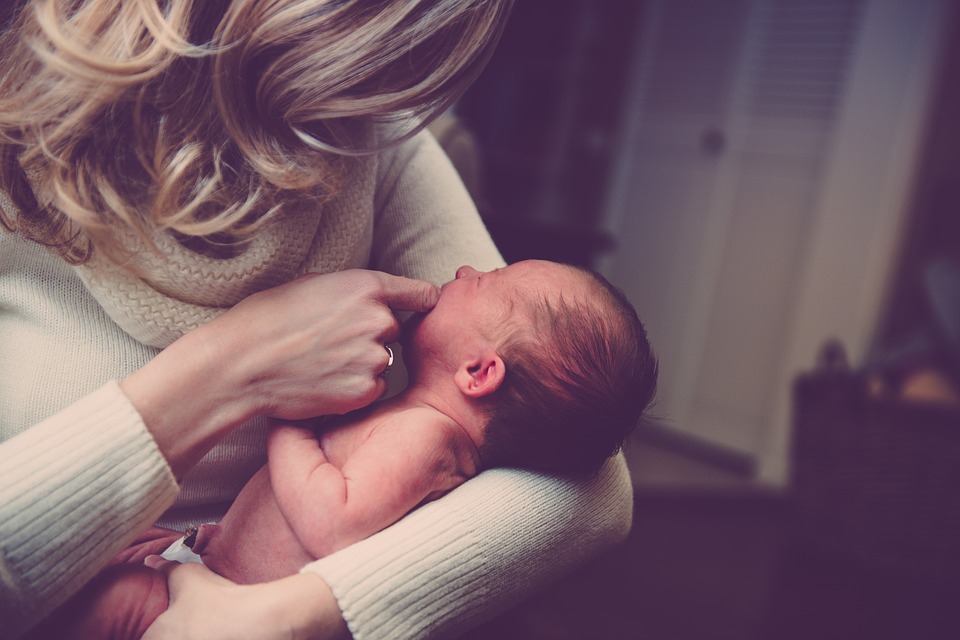
World-first immunisations providing protection against deadly respiratory syncytial virus (RSV) could be just months away thanks to global research efforts spanning multiple decades.
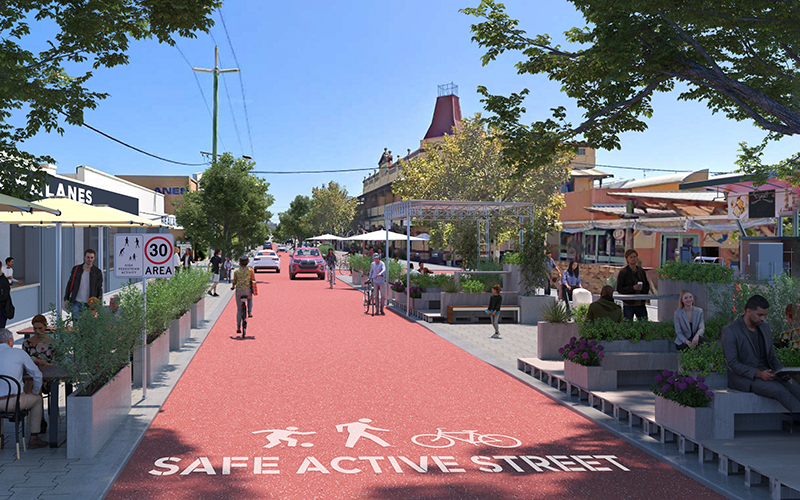
Researchers have identified 10 Australian shopping strips where the removal of on-street parking would transform the area’s liveability.
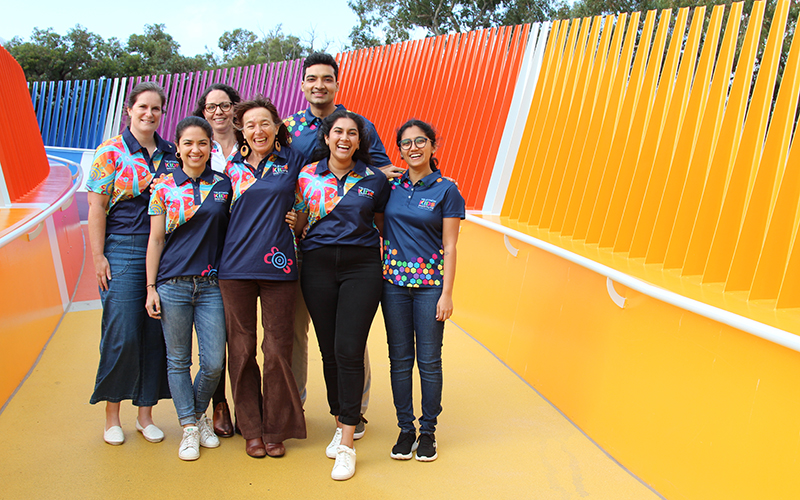
In celebration of World Breastfeeding Week (1 – 7 August), we sat down with Professor Valerie Verhasselt to ask her some of the top questions about breastfeeding and immunology.

Sophisticated modelling produced is predicting a steady decline in COVID-19 cases in WA throughout August, but hospitalisation rates will remain relatively high.